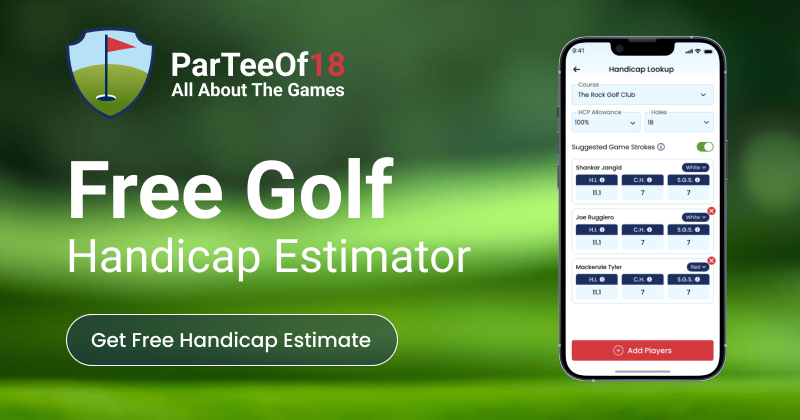
Improving at golf can sometimes feel confusing. One week you shoot your best round of the year, and the next week it feels like you’ve forgotten how to swing. Many golfers rely only on scorecards to judge progress, but scores alone rarely tell the full story. That’s where a handicap estimator becomes a powerful tool.
A handicap estimator doesn’t just calculate a number. It helps golfers understand their real ability, measure progress accurately, and improve with confidence. Whether you’re new to the game or working hard to lower your scores, using a golf handicap estimator can make improvement clearer, easier, and far more motivating.
In this article, we’ll explore why using a handicap estimator makes golf improvement easier, how it works, and how it can change the way you practice and play.
Understanding What a Handicap Estimator Really Does
A handicap estimator is designed to estimate your playing ability based on your recent scores and the difficulty of the courses you play. Instead of focusing on one good or bad round, it looks at patterns across multiple rounds.
Golf is unpredictable by nature. Weather, course conditions, and mental focus all affect performance. A handicap estimator filters out the noise and focuses on your potential ability, not just your average score. This makes it especially helpful for golfers who are actively trying to improve but feel stuck or unsure.
Unlike official handicap systems that may update periodically, a handicap estimator can be used frequently, allowing you to track improvement as it happens.
Why Scores Alone Can Be Misleading
Many golfers judge improvement by asking one simple question: Did I score better today? While that seems logical, it often leads to frustration.
A single score doesn’t reflect:
- Course difficulty
- Weather conditions
- One or two blow-up holes
- Overall consistency
A golfer may play better golf but score the same due to a tougher course or slower greens. A handicap estimator accounts for these variables and gives a more accurate picture of progress. This makes improvement easier to recognize and far less discouraging.
How a Handicap Estimator Works Step by Step
Using a golf handicap estimator is straightforward, even for beginners.
First, you enter your round scores. Most estimators ask for basic details such as the course rating and slope, which represent how difficult the course is for an average golfer.
Next, the estimator calculates score differentials instead of simple averages. This approach emphasizes your best performances rather than punishing occasional bad rounds.
Finally, it produces an estimated handicap index that reflects your playing potential. Over time, as you add more rounds, the estimator becomes more accurate and more valuable.
This process turns casual scorekeeping into meaningful performance tracking.
How a Handicap Estimator Helps You Improve Faster
Clear Evidence of Progress
One of the biggest reasons golfers quit or lose motivation is the feeling that they aren’t improving. A handicap estimator—or even a free golf handicap calculator—solves this problem by showing measurable progress. Even if your scores don’t drop immediately, your estimated handicap may still improve. This confirms that your swing changes, practice sessions, and course management decisions are working.
Seeing this progress builds confidence and keeps you committed to long-term improvement.
Better Focus During Practice
Practice without direction often leads to wasted time. A handicap estimator gives your practice purpose.
When you know your estimated handicap and track changes over time, you can practice with intention. Instead of guessing what to work on, you can align your training with overall performance goals.
This focused approach makes practice more efficient and enjoyable.
Smarter Expectations on the Course
Many golfers expect too much too soon. A handicap estimator helps set realistic expectations based on your actual ability.
When expectations match skill level, frustration decreases. Golf becomes more enjoyable, and improvement feels achievable rather than overwhelming.
Handicap Estimator vs. Guessing Your Skill Level
Without a handicap estimator, many golfers rely on assumptions. They might think they’re playing worse because of one bad round or believe they’ve improved significantly after one good day.
A handicap estimator replaces assumptions with facts.
Instead of guessing:
- You know your improvement trend
- You understand your consistency level
- You measure progress objectively
This clarity makes golf improvement easier and more rewarding.
Why Improving Golfers Benefit the Most
While all golfers can benefit from a handicap estimator, improving golfers gain the most value.
Beginners often struggle to understand progress because early improvement can be uneven. A handicap estimator shows that learning is happening even when scores fluctuate.
Intermediate golfers benefit by identifying plateaus and tracking gradual gains. For these players, small improvements matter, and the estimator highlights them clearly.
Even experienced golfers use handicap estimators to maintain consistency and monitor performance over time.
Choosing the Right Handicap Estimator for Your Game
When selecting a handicap estimator, simplicity and accuracy matter more than flashy features.
A good estimator should:
- Be easy to use
- Accept accurate course information
- Update quickly after each round
- Show trends over time
Some tools integrate with official systems, while others focus purely on improvement tracking. Choose one that matches your goals and skill level.
The best handicap estimator is the one you’ll use consistently.
Common Mistakes Golfers Make When Using a Handicap Estimator
To get the most out of a handicap estimator, avoid these common mistakes:
- Entering incomplete or incorrect scores, which reduces accuracy
- Ignoring course difficulty information
- Obsessing over short-term changes
- Using the estimator as a judgment rather than a guide
Remember, a handicap estimator is meant to support improvement, not define your worth as a golfer.
Frequently Asked Questions About Handicap Estimators
Is a handicap estimator accurate?
Yes, when used consistently and with correct information, it provides a reliable estimate of playing ability.
Do I need an official handicap if I use an estimator?
Not necessarily. Many golfers use estimators purely for improvement tracking, especially if they don’t play competitive events.
How often should I update my handicap estimator?
After every round is ideal. Regular updates lead to better trend analysis.
Final Thoughts
Golf improvement doesn’t have to be complicated. Using a handicap estimator simplifies the process by replacing guesswork with clarity.
By tracking trends instead of single scores, setting realistic goals, and practicing with purpose, golfers can improve faster and with less frustration. A handicap estimator doesn’t promise instant results—but it does promise honest feedback and measurable progress.
If you want to enjoy golf more and improve with confidence, using a handicap estimator is one of the smartest decisions you can make.