Every day, surgical care in veterinary practice depends heavily on reliable instruments and thoughtful preparation. Animals require careful handling during procedures, and the right tools help support accuracy, patient comfort, and overall safety. Whether the procedure is minor or more complex, the goal is always to perform the surgery efficiently while reducing stress on the animal and the care team. This is where methodical selection, sterilization, and handling of instruments become essential.
What Are Veterinarian Surgical Tools
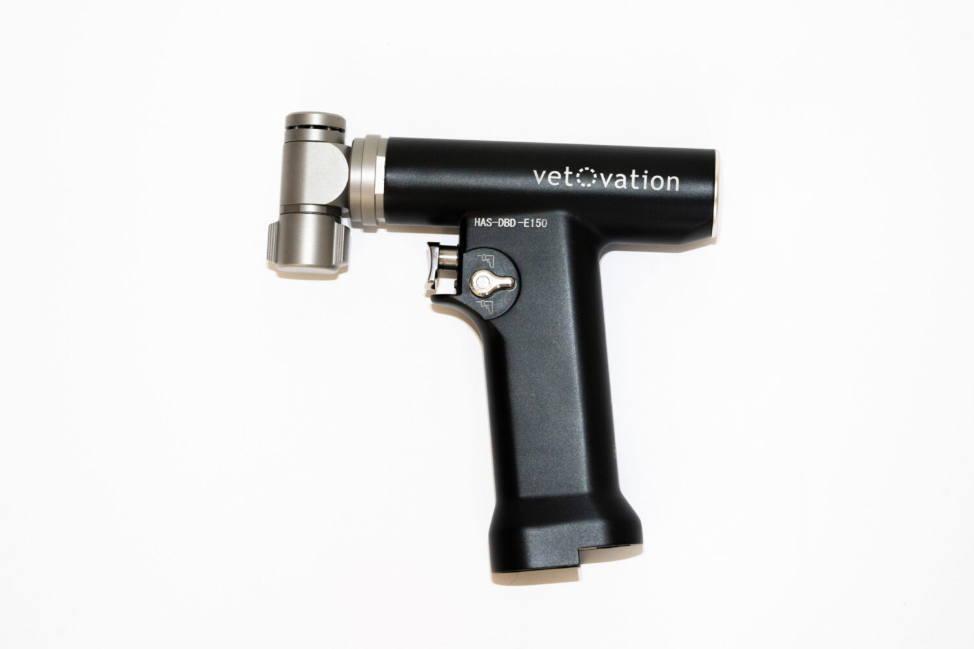
The term veterinarian surgical tools refers to the collection of instruments veterinarians use during operations. These tools include scissors, scalpels, tissue forceps, retractors, and needle holders, each built to serve a specific role in surgery. The sizes and shapes vary because different animals require different approaches.
For example, surgery on a small household pet may call for smaller and more precise instruments, while large animal work may require equipment designed for strength and greater reach. Organizing instruments according to procedure type improves workflow and allows the surgeon to access what they need at the right moment. This preparation also minimizes delays, reduces stress in the operating room, and supports better surgical outcomes by ensuring efficiency, safety, and consistency throughout every stage of the procedure.
Handling and Technique Matter
Even the best tools rely on skilled handling. The way an instrument is held affects incision control, suture placement, and pressure applied to tissue. Using instruments with good balance and a comfortable grip helps reduce strain on the surgeon’s hands during longer procedures. Smooth coordination between the assistant and surgeon also plays an important role. When everyone knows how each tool is used and where it is placed during surgery, the procedure tends to move more efficiently and with fewer interruptions.
Adjusting to New Equipment
Introducing a new sterilization system can feel like a big change, but hands-on guidance helps make the transition smooth. Training ensures that staff understand cycle times, tool preparation, and safe handling after sterilization is complete. When everyone on the veterinary team learns how to properly package and process instruments, the workflow becomes consistent and more predictable. This reduces stress and helps keep procedures running on schedule.
Storage and Continued Care of Surgical Tools
After surgery and sterilization, instruments should be dried, checked for wear, and stored securely. Sharp edges must be protected to preserve their cutting ability. Hinged instruments should be lubricated when necessary to prevent stiffness. Regular inspection catches signs of damage early, which means repairs can be arranged before a tool fails during use. Thoughtful tool care reduces replacement costs and extends the life of the surgical set.
Conclusion
Reliable surgery depends on well-maintained instruments and a steady workflow. Veterinary teams benefit when their veterinarian’s surgical tools are clean, organized, and matched to the needs of different procedures. With proper sterilization practices and training, clinics can support safe surgeries and comfortable recoveries for their animal patients. Regular inspections, timely replacements, and clear protocols further reduce the risk of complications, improve efficiency in the operating room, and help build confidence among staff while maintaining high standards of veterinary care.