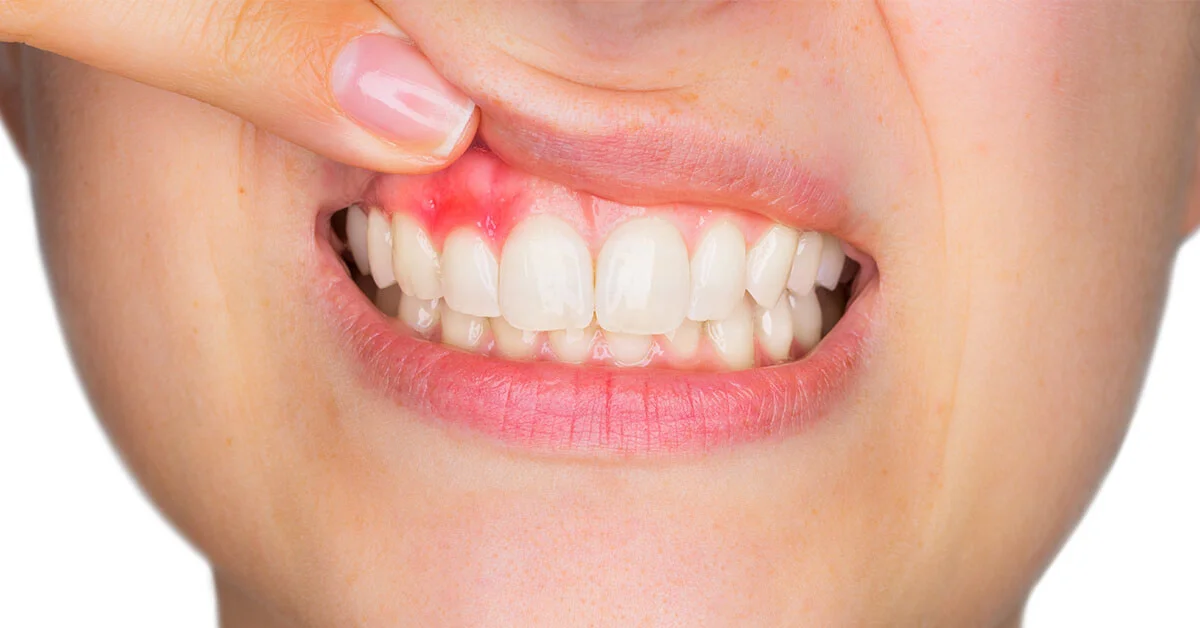
Gum disease is one of the most common oral health problems, yet it is also one of the most misunderstood. Many people delay treatment because they are unsure whether gum disease can be reversed or if the damage is permanent. This confusion often comes from myths shared online or advice passed down over the years. Understanding the facts can help you protect your smile and know when to seek professional care.
What Is Gum Disease?
Gum disease, also known as periodontal disease, is an infection of the gums caused by plaque buildup around the teeth. It develops in stages and usually begins quietly. Many people do not notice symptoms until the condition has already progressed.
There are two main stages of gum disease.
Gingivitis is the early stage. It causes red, swollen gums that may bleed during brushing or flossing.
Periodontitis is the advanced stage. At this point, the infection spreads deeper, affecting the bone and tissues that support the teeth.
Fact: Early Gum Disease Can Be Reversed
One of the most important facts is that early gum disease can be reversed. Gingivitis does not cause permanent damage if treated promptly. With proper oral hygiene and professional cleaning, the gums can return to a healthy state.
Brushing twice a day, flossing daily, and visiting a dentist in Greensborough for regular checkups can stop gingivitis from progressing. Professional scale and clean appointments remove plaque and tartar that cannot be eliminated at home.
Myth: Bleeding Gums Are Normal
A common myth is that bleeding gums are normal, especially during brushing. In reality, healthy gums do not bleed. Bleeding is often the first warning sign of gingivitis.
Ignoring this symptom allows bacteria to continue damaging the gums. If bleeding occurs regularly, it is a clear signal to book a dental visit rather than brushing less or avoiding floss.
Fact: Advanced Gum Disease Cannot Be Fully Reversed
While early gum disease can be reversed, advanced periodontitis cannot be fully undone. However, it can be managed effectively. Treatment focuses on stopping the infection, preventing further bone loss, and stabilising the condition.
A dentist in Greensborough may recommend deep cleaning treatments such as scaling and root planing. In more severe cases, ongoing periodontal maintenance or referral to a specialist may be required. Early action makes treatment simpler and more affordable.
Myth: Gum Disease Only Affects Older Adults
Another widespread myth is that gum disease only affects older people. In truth, gum disease can occur at any age. Poor oral hygiene, smoking, stress, diabetes, hormonal changes, and genetics all increase risk.
Young adults and even teenagers can develop gingivitis, especially if plaque is allowed to build up. Regular dental visits help detect issues early, regardless of age.
Fact: Home Care Alone Is Not Enough
Good brushing and flossing are essential, but they are not enough once gum disease has developed. Plaque hardens into tartar, which cannot be removed with a toothbrush.
Professional dental care is necessary to fully treat gum disease. A trusted dentist in Greensborough can assess gum health, measure pocket depth, and create a treatment plan tailored to each patient.
Why Early Treatment Matters
Untreated gum disease does more than harm your gums. It has been linked to tooth loss, bad breath, difficulty chewing, and even general health concerns such as heart disease and diabetes complications.
The earlier gum disease is diagnosed, the easier it is to reverse or control. Regular checkups allow dentists to catch small changes before they become serious problems.
So, can gum disease be reversed? The answer depends on timing. In its early stage, yes, it can be reversed with proper care and professional treatment. Once it progresses, it cannot be fully reversed, but it can be managed successfully.
If you notice bleeding gums, bad breath, or gum sensitivity, do not wait. Visiting a dentist in Greensborough early can protect your smile and prevent long term damage.
FAQs Related to Myths nd Facts of Gum Diseases
Can gingivitis really be reversed?
Yes. Gingivitis is reversible with good oral hygiene and professional dental cleaning.
How long does it take to reverse early gum disease?
With consistent care, gums can improve within a few weeks, depending on severity.
Is gum disease painful?
Early gum disease is often painless, which is why many people miss the warning signs.
Do I need treatment if my gums only bleed sometimes?
Yes. Any regular bleeding is a sign of gum inflammation and should be checked by a dentist.
How often should I see a dentist to prevent gum disease?
Most people benefit from dental visits every six months, but some may need more frequent care.