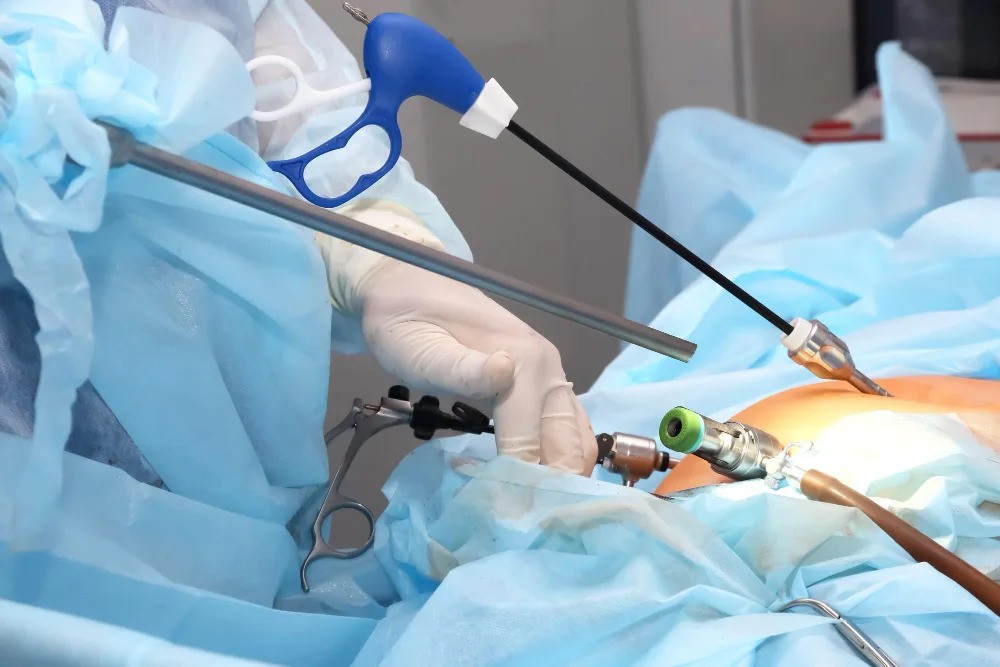
As life expectancy increases, more seniors are seeking surgical solutions to improve their quality of life. Conditions such as gallbladder disease, hernias, bowel disorders, and gynecological issues are increasingly treated using laparoscopic techniques. Laparoscopic surgery, also known as minimally invasive surgery, has proven to be a safer option for elderly patients when proper guidelines are followed.
In Pakistan, access to advanced Laproscopic in Islamabad has made it possible for seniors to undergo necessary procedures with reduced risk, faster recovery, and improved overall outcomes.
Why Laparoscopic Surgery Is Suitable for Seniors:
Aging bodies are more sensitive to surgical trauma, anesthesia, and prolonged recovery periods. Laparoscopic surgery minimizes these challenges by using small incisions and specialized instruments, reducing stress on the body.
Key benefits for seniors include:
-
Less postoperative pain
-
Lower risk of infection
-
Reduced blood loss
-
Shorter hospital stays
-
Faster return to mobility and independence
These advantages make laparoscopy a preferred option for elderly patients when surgery is required.
Common Laparoscopic Procedures Performed in Seniors:
Several surgical conditions commonly affect older adults and can be safely managed through laparoscopy:
-
Gallbladder removal (cholecystectomy)
-
Hernia repair
-
Appendectomy
-
Bowel obstruction surgery
-
Diagnostic laparoscopy
-
Gynecological procedures in elderly women
Each procedure is tailored to the patient’s overall health, medical history, and functional status.
Pre-Surgical Evaluation: A Critical Safety Step:
Before laparoscopic surgery, seniors must undergo a thorough medical evaluation to ensure safety. This step is often more detailed than in younger patients.
Preoperative assessments typically include:
-
Cardiovascular evaluation (ECG, echocardiography if needed)
-
Lung function tests
-
Blood sugar and kidney function tests
-
Medication review (especially blood thinners)
-
Nutritional assessment
Choosing an experienced Best laproscopic surgeon is crucial, as expert surgeons can accurately assess surgical risks and determine whether laparoscopy is the safest option.
Anesthesia Considerations for Elderly Patients:
Anesthesia safety is a major concern in senior patients. Laparoscopic surgery generally requires shorter anesthesia duration compared to open surgery, which reduces risks such as confusion, delayed awakening, or respiratory issues.
Anesthesia teams carefully:
-
Adjust medication doses for age-related changes
-
Monitor heart and lung function closely
-
Use minimally effective anesthesia techniques
-
Ensure faster postoperative recovery
This personalized approach significantly improves surgical safety for elderly individuals.
Intraoperative Safety Measures in Senior Laparoscopy:
During surgery, additional precautions are taken to protect elderly patients:
-
Gentle tissue handling to prevent trauma
-
Continuous monitoring of blood pressure and oxygen levels
-
Precise control of carbon dioxide insufflation pressure
-
Use of advanced imaging for better visualization
These measures reduce complications and ensure stable surgical outcomes.
Postoperative Care and Monitoring:
Recovery is a critical phase for seniors undergoing laparoscopic surgery. Although recovery is generally faster than open surgery, close monitoring is essential.
Postoperative care includes:
-
Early mobilization to prevent blood clots
-
Pain management with age-appropriate medications
-
Monitoring for signs of infection or bleeding
-
Gradual dietary progression
-
Respiratory exercises to prevent lung complications
Most seniors are able to resume light activities within a few days, significantly improving confidence and independence.
Managing Chronic Conditions During Recovery:
Many elderly patients have chronic conditions such as diabetes, hypertension, or arthritis. Effective postoperative care focuses on managing these conditions alongside surgical recovery.
Healthcare teams ensure:
-
Blood sugar and blood pressure remain stable
-
Medications are resumed safely
-
Physical therapy is introduced when needed
-
Nutritional needs are met to support healing
This holistic approach reduces readmission rates and supports long-term recovery.
When Laparoscopy May Not Be Recommended:
While laparoscopic surgery is generally safe, it may not be suitable for all seniors. Certain conditions may require alternative approaches:
-
Severe heart or lung disease
-
Extensive previous abdominal surgeries
-
Advanced-stage cancers
-
Severe infections or instability
In such cases, surgeons carefully weigh the risks and benefits before proceeding.
Importance of Choosing the Right Surgical Facility:
The success of laparoscopic surgery in seniors depends heavily on the facility’s standards and expertise. A well-equipped center ensures:
-
Modern laparoscopic equipment
-
Skilled surgical and anesthesia teams
-
Intensive postoperative monitoring
-
Comprehensive patient education and support
Choosing a trusted facility like Royal cosmetic surgery clinic ensures seniors receive high-quality care tailored to their unique health needs.
Conclusion:
Laparoscopic surgery has revolutionized surgical care for seniors by offering safer, less invasive treatment options with faster recovery and fewer complications. With proper preoperative assessment, skilled surgical expertise, and attentive postoperative care, elderly patients can undergo laparoscopic procedures with confidence and positive outcomes.
For seniors and their families, selecting experienced professionals and a reputable facility is the key to ensuring safety, comfort, and long-term health benefits.