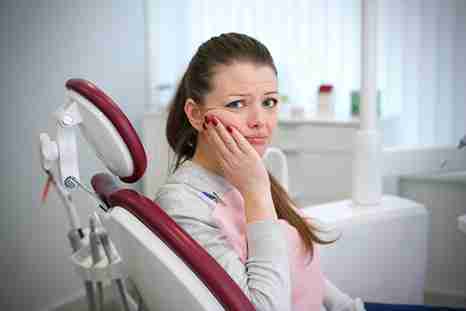
A dental emergency can disrupt your day instantly, turning routine activities into difficult tasks. Sudden pain, a chipped tooth, or unexpected sensitivity can affect eating, speaking, sleeping and overall confidence. These issues impact more than oral health, they interfere with daily comfort and social interactions. Recovering your routine requires more than immediate treatment; it depends on proper aftercare, patience, and consistent habits that support long-term oral wellbeing. This overview explores why dental emergencies occur, how to respond effectively and the steps needed to restore comfort, stability, and confidence as you return to normal life.
Understanding Dental Emergencies
What Counts as a Dental Emergency?
Dental emergencies tend to strike unexpectedly and include:
- Sudden or severe toothache
- Cracked or fractured teeth
- Knocked-out teeth
- Lost crowns, fillings, or bridges
- Gum infections, abscesses, or swelling
Each of these can interrupt your normal routine, often creating discomfort that makes simple tasks feel difficult.
Why They Disrupt Your Routine
Dental pain is not just a physical problem; it affects focus, sleep and emotional wellbeing. You may struggle to eat comfortably, communicate clearly, or concentrate at work. When discomfort escalates, daily activities that once felt effortless can suddenly become a challenge, making quick intervention essential.
The First Steps After an Emergency
Immediate Self-Care
What you do right after a dental emergency can influence your recovery. Consider these immediate steps:
- Rinse your mouth with warm water
- Apply a cold compress to reduce swelling
- Take over-the-counter pain relief if necessary
- Keep any lost or broken dental pieces safe
- Avoid chewing on the affected side
- Refrain from applying heat, which may worsen inflammation
If symptoms escalate, especially swelling, fever, or increasing pain, reaching out for urgent care is crucial. Many patients find prompt support especially beneficial when receiving guidance from an emergency dentist in Romford, who can diagnose the issue quickly and begin the appropriate treatment.
When to Seek Professional Help
You should not wait to contact a professional if you experience:
- Persistent or throbbing pain
- Visible swelling of the face or gums
- Bleeding that does not stop
- A dislodged tooth or restoration
- Sensitivity that worsens rather than improves
Swift action ensures the problem is addressed before complications arise.
What to Expect During Professional Treatment
A thorough assessment usually includes visual examination, X-rays, and digital scans. This ensures a precise understanding of the cause and extent of the issue. Different emergencies require different treatments, and dentists act quickly to stabilise the condition.
Common Dental Emergency Treatments
| Emergency | Likely Treatment | Purpose |
| Severe decay | Filling or root canal | Removes infection, restores tooth |
| Cracked tooth | Crown or bonding | Strengthens and protects structure |
| Knocked-out tooth | Reimplantation if timely | Aims to save natural tooth |
| Abscess or infection | Drainage/antibiotics | Reduces swelling and discomfort |
| Lost restoration | Replacement or repair | Restores function and stability |
Ongoing gum and hygiene support may follow treatment, often delivered by a hygienist in Romford, who helps patients maintain cleanliness and prevent recurring issues.
The Recovery Phase: Getting Back to Normal
Recovery time varies, depending on the type of dental emergency and the chosen treatment. Most patients notice steady improvement within a few days, provided they take the recommended aftercare steps.
1. Managing Pain and Sensitivity
- Use cold compresses for the first 24–48 hours
- Avoid very hot or very cold foods
- Rinse gently with saltwater to maintain cleanliness
- Take any prescribed medication as directed
2. Adjusting Your Diet Temporarily
Eating softer foods helps reduce discomfort and prevents accidental pressure on healing areas.
Recommended Foods:
- Smooth soups (lukewarm)
- Yoghurt
- Scrambled eggs
- Mashed potatoes
- Soft fruits
Foods to Avoid:
- Crunchy crisps
- Nuts or hard snacks
- Sticky sweets
- Very hot drinks
- Alcohol in the first 24 hours
Gradually, as the discomfort eases, normal eating routines can be reintroduced.
Restoring Comfort Gradually
Expect slight sensitivity following procedures such as fillings, crowns or root canals. This should improve naturally. If discomfort grows rather than settles, a follow-up assessment may be needed.

Rebuilding Confidence After the Emergency
A dental emergency can leave emotional after-effects. People often feel anxious about eating solid foods or worried about another unexpected issue occurring. Confidence-building becomes part of the recovery process.
Emotional and Functional Recovery
- Take your time adjusting to normal eating
- Resume activities slowly if nervous about discomfort
- Use relaxation techniques if anxiety increases
Support Through Follow-Up Appointments
Follow-up care ensures healing is progressing properly. Many patients benefit from booking additional cleaning or gum care sessions with a hygienist, which helps maintain stability after treatment. Supportive aftercare builds reassurance and reduces the likelihood of future dental concerns.
Preventing Future Dental Emergencies
Although not all emergencies can be predicted, many can be prevented with steady and mindful habits.
Strengthening Daily Habits
- Brush twice daily using fluoride toothpaste
- Floss once a day
- Drink adequate water
- Limit sugary and acidic foods
Protective Measures
- Wear a mouthguard during sports
- Use a night guard if you grind your teeth
- Attend routine dental check-ups
- Avoid chewing on hard items such as ice or popcorn kernels
Understanding Personal Risk Factors
Some individuals may require additional care due to:
- Weak enamel
- Gum disease
- History of tooth fractures
- Dry mouth conditions
- Previous dental trauma
Addressing these factors helps reduce emergency-related risks.
Long-Term Oral Care After an Emergency
Recovery doesn’t end once the immediate issue is treated. Supporting long-term oral health is key to preventing repeated emergencies.
Enhanced Care Strategies
- Use remineralising or enamel-strengthening toothpaste
- Choose a soft-bristled toothbrush
- Add fluoride rinses to your routine
- Reduce consumption of staining foods and drinks in the first week
- Maintain hydration throughout the day

hygienist in Romford
Creating a Stable Oral Health Plan
Work with dental professionals to establish a consistent care routine. Tracking any new symptoms and addressing them quickly helps ensure long-term comfort and stability.
Conclusion
Recovering from a dental emergency involves prompt action, effective treatment, and consistent aftercare to restore comfort and daily routine. By adopting stronger oral health habits and attending regular appointments, you can prevent future issues and enjoy long-term wellbeing. At Romford, we believe that every patient can regain confidence, stability, and a healthier smile with the right support and guidance