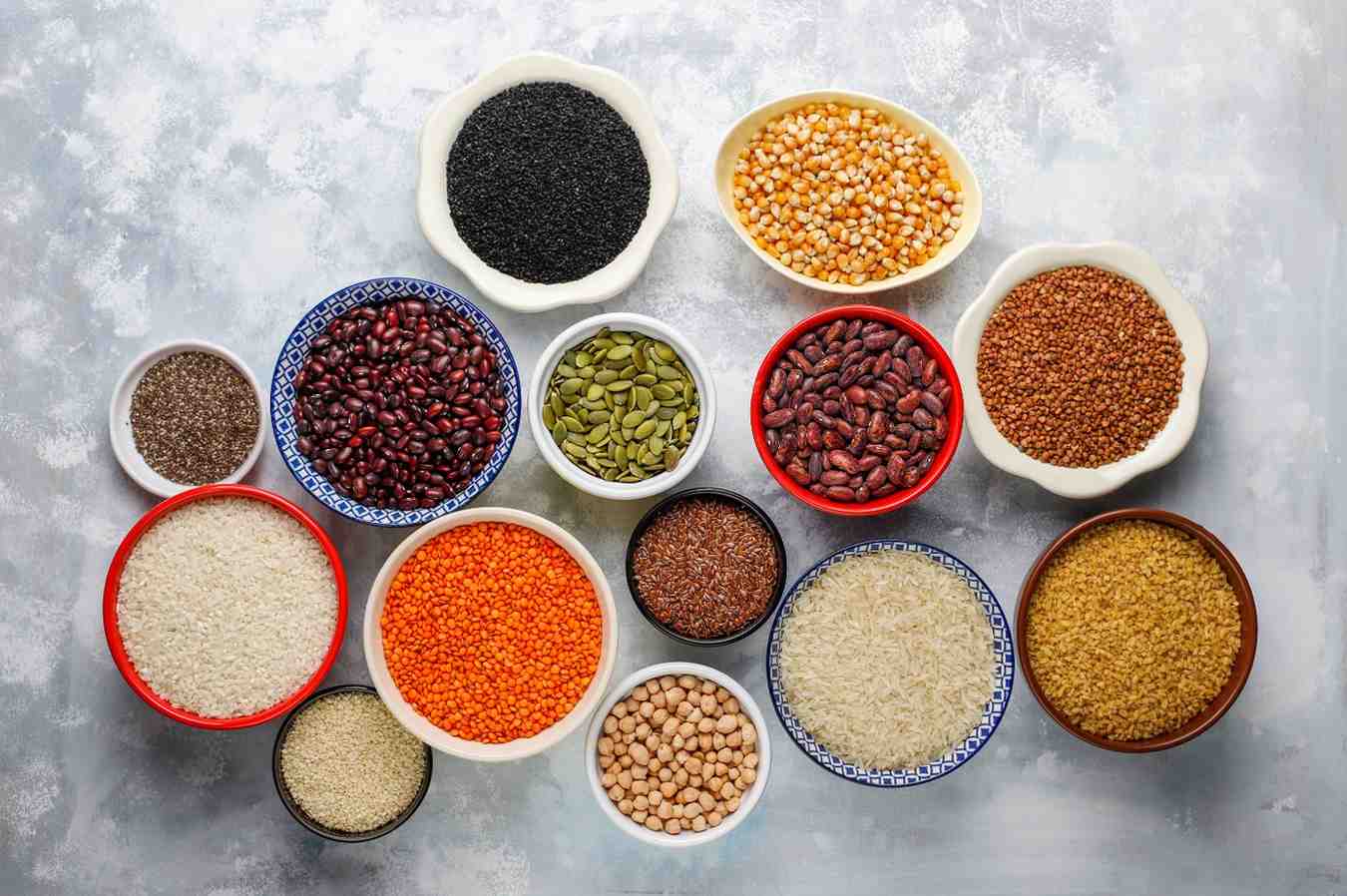
When people try to eat healthy, one common question comes up again and again: Are pulses better than rice? This confusion is natural, especially in India where rice is a daily staple, while pulses are known for their protein value. If you are searching for clarity on nutrition, weight management, diabetes control, or balanced diets, this blog will answer your real questions in a simple, honest, and science-backed way.
Understanding Pulses and Rice: The Basics
Before comparing them, it’s important to understand what pulses and rice actually are.
What Are Pulses?
Pulses are edible dry seeds of legumes such as lentils, chickpeas, beans, peas, and grams. They are widely consumed across India in the form of dal, chana, rajma, and sprouts. Pulses are valued for their high protein, fiber, and mineral content, making them a cornerstone of vegetarian diets.
Many leading Pulses brands focus on cleaning, grading, and processing pulses to maintain nutritional integrity and food safety.
What Is Rice?
Rice is a cereal grain and a primary source of carbohydrates. It provides quick energy and is easy to digest, which is why it dominates Indian meals. However, rice is relatively low in protein and fiber compared to pulses, especially when consumed in its polished white form.
Nutritional Comparison: Pulses vs Rice
Let’s look at the core nutritional differences that matter most to health-conscious consumers.
Protein Content
Protein is one of the biggest reasons people search for alternatives to rice.
- Pulses contain 18–25% protein, depending on the variety.
- Rice contains only 6–8% protein.
For vegetarians and vegans, pulses are one of the most affordable and natural protein sources. This is why nutritionists often recommend including pulses daily and sourcing them from a trusted Pulses Brand in India.
Fiber Content
Fiber plays a major role in digestion, gut health, and weight control.
- Pulses are rich in dietary fiber, helping improve digestion and reduce constipation.
- Rice, especially white rice, is low in fiber due to processing.
Higher fiber intake also means better blood sugar control and longer-lasting fullness.
Carbohydrates and Energy
- Rice is high in carbohydrates, making it a fast energy source.
- Pulses provide complex carbohydrates that release energy slowly.
This makes pulses more suitable for people managing diabetes or weight issues.
Vitamins and Minerals
Pulses are packed with iron, potassium, magnesium, zinc, and B vitamins. Rice, on the other hand, loses many nutrients during polishing unless it is consumed as brown or parboiled rice.
Are Pulses Better Than Rice for Weight Loss?
This is one of the most common user search intents.
Pulses are clearly better for weight management because:
- High protein reduces hunger
- Fiber keeps you full for longer
- Low glycemic index prevents sudden hunger spikes
Rice can still be part of a balanced diet, but excess consumption—especially white rice—may contribute to weight gain. Nutrition experts recommend replacing a portion of rice with pulses rather than eliminating rice completely.
Pulses vs Rice for Diabetes Control
People with diabetes often search for safer food choices.
- Pulses have a low glycemic index, helping stabilize blood sugar levels.
- Rice, particularly white rice, has a high glycemic index, causing rapid sugar spikes.
This is why doctors often advise diabetic patients to increase pulses and reduce refined rice intake. Choosing high-quality pulses from Best Pulses Suppliers in India ensures consistency and nutritional value.
Digestive Health: Which Is Easier on the Stomach?
Rice is easy to digest and useful during illness or recovery. Pulses, while nutritious, may cause bloating if not cooked or soaked properly.
Tips to improve pulse digestion:
- Soak pulses before cooking
- Use spices like cumin, asafoetida, and ginger
- Avoid overeating at one time
Quality processing by Top Pulses Manufacturers in India helps reduce impurities that often cause digestive discomfort.
The Role of Pulses in a Balanced Indian Diet
Rather than choosing one over the other, the healthiest approach is balance.
A traditional Indian meal works best when:
- Rice provides energy
- Pulses provide protein, fiber, and minerals
- Vegetables add vitamins and antioxidants
This combination supports long-term health, muscle strength, and immunity.
Also Read Best Cashew Brands in India
Why Quality Pulses Matter More Than You Think
Not all pulses are the same. Poor sourcing, improper storage, and excessive processing can reduce nutritional value.
Reliable Pulses Brand in India focus on:
- Clean sourcing from farmers
- Advanced sorting and grading
- Hygienic processing
- Consistent quality standards
Companies like Valency Agro work closely with supply chains to ensure pulses retain their natural nutrition without aggressive processing or unnecessary additives.
Choosing the Right Pulses for Daily Consumption
When buying pulses, look for:
- Uniform grain size
- No excessive broken pieces
- Natural color and shine
- Proper packaging
Reputed Best Pulses Suppliers in India ensure these standards are met, making pulses safer and healthier for everyday cooking.
Environmental and Sustainability Benefits of Pulses
Another often-overlooked advantage of pulses is sustainability.
- Pulses require less water than rice
- They improve soil fertility by fixing nitrogen
- Lower environmental footprint
This makes pulses not just a healthy choice, but also an environmentally responsible one.
Final Verdict: Are Pulses Better Than Rice?
The honest answer is: pulses are nutritionally superior, but rice still has its place.
Pulses win in:
- Protein
- Fiber
- Blood sugar control
- Long-term health benefits
Rice remains useful for:
- Quick energy
- Easy digestion
- Cultural and dietary balance
For optimal health, the smartest approach is moderation—reducing excess rice and increasing pulses from trusted Pulses brands and reliable manufacturers.
Conclusion
If your goal is better nutrition, weight control, diabetes management, or a protein-rich diet, pulses deserve a bigger place on your plate than rice. Backed by science, tradition, and modern nutrition research, pulses are a powerful food choice.
With growing demand, companies like Valency Agro and other Top Pulses Manufacturers in India play a crucial role in ensuring quality, safety, and nutrition reach households consistently.
By making informed food choices today, you invest in long-term health tomorrow.
Frequently Asked Questions
What are 10 examples of pulses?
Some common examples of pulses include chickpeas, lentils, pigeon peas (toor dal), green gram (moong), black gram (urad), kidney beans (rajma), cowpeas, dry peas, horse gram, and Bengal gram (chana dal). These pulses are widely consumed in Indian households and are known for their high protein and fiber content. Most reputed Pulses Brand in India focus on these staple varieties because of their daily demand and nutritional value.
Which foods are pulses?
Pulses are dry edible seeds that come from legume plants. Foods like lentils, dry beans, chickpeas, peas, and grams fall under this category. Unlike fresh vegetables, pulses are harvested when fully mature and dried, which gives them a longer shelf life. This is why pulses supplied by trusted Best Pulses Suppliers in India are a reliable choice for everyday cooking and bulk consumption.
Which food group are called “pulses” and why?
Pulses belong to the legume food group. They are called pulses because they are the dry seeds of leguminous plants grown specifically for food. Pulses are valued for their plant-based protein, complex carbohydrates, and minerals. In vegetarian diets, pulses often replace animal protein, which is why Top Pulses Manufacturers in India focus heavily on maintaining their nutritional quality during processing.
What are the names of 20 pulses?
Here are 20 commonly consumed pulses:
Chickpeas, lentils, pigeon peas, green gram, black gram, cowpeas, kidney beans, navy beans, lima beans, dry peas, horse gram, moth beans, adzuki beans, fava beans, Bengal gram, red lentils, yellow lentils, black-eyed peas, white peas, and soybeans.
These pulses are processed and distributed by many Pulses brands to meet the growing demand for protein-rich foods in India.
What are pulses called?
Pulses are commonly referred to as legumes, dry beans, or lentils, depending on the region and variety. In India, they are most popularly known as “dal.” Despite the different names, all pulses share similar nutritional benefits. Companies like Valency Agro work across the pulse supply chain to ensure these everyday food items reach consumers in clean and usable form without compromising quality.
For More Information Click Here:- https://www.valencyagro.com/Daal