
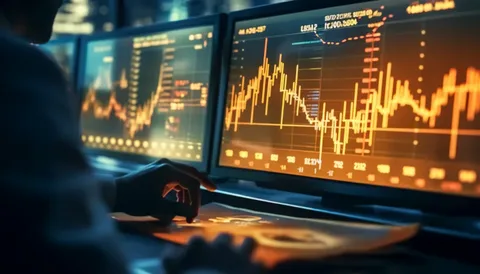
Commodity markets have always behaved a little differently from other financial arenas. Gold reacts when inflation whispers start circulating. Oil sometimes surges overnight because of geopolitical tension. Agricultural commodities? Well, a drought somewhere halfway across the world can suddenly push prices into motion. Anyone who has watched commodity charts for long enough realizes one thing quickly: these markets don’t politely move in straight lines.
Years ago, accessing them required institutional connections or complicated brokerage relationships. That landscape shifted once digital trading platforms matured. Today, commodities trading companies create the infrastructure that lets traders analyze price movement, monitor positions, plus execute trades across multiple global instruments without leaving a single trading interface.
Understanding the Role of Commodities Trading Companies
The platforms for trading commodities function as the operational bridge for traders and the global financial markets. Instead of traders buying barrels of oil or stacks of metal, they are using digital instruments that represent the markets. The platform displays the prices, then the charts, and finally the orders are executed once the traders decide to trade.
But execution alone isn’t the whole story. These systems also provide analytical environments where traders can evaluate market behavior before placing positions. Charting tools, historical price data, technical indicators, all appear within the same workspace. The idea is fairly straightforward: traders shouldn’t need five different applications just to study a single market move.
Core Services Provided by Commodity Trading Platforms
Contemporary trading systems are centered on a number of key functions that facilitate market participation in a practical manner. In most cases, real-time pricing is at the heart of the trading systems. This is because the pricing is updated in real-time, enabling traders to see how commodities are responding to macroeconomic changes, geopolitical tensions, or unexpected changes in the supply chain.
Execution systems are the second key component in trading systems. Once a trade is initiated, the trading systems execute the transaction, provide a confirmation, and then track the transaction in the account management section. In many cases, trading systems are designed to provide traders with a range of execution systems, portfolio management systems, and risk management systems, all in a single screen.
Multi-Asset Market Access
Commodity traders rarely focus on a single market anymore. Many platforms now provide access to several asset classes including forex, equities, digital assets, alongside commodities. That kind of multi-market access matters more than people think.
Currencies influence commodity pricing quite often because global commodities are usually priced in U.S. dollars. When traders can observe currencies alongside commodities, patterns sometimes become clearer. Not guaranteed, of course. Still, correlations occasionally appear where you’d least expect them.
Analytical Tools for Market Observation
Charts are one of the most frequently used tools within a trading platform. Traders use charts to track changes in momentum, support zones, or resistance points that can affect the price.
Technical indicators often sit beside these charts. Moving averages, oscillators, volatility measures. They don’t predict markets perfectly, despite what internet forums might promise. What they do provide is structure. And honestly, structure matters when markets begin moving faster than expected.
Order Execution and Risk Management
Trade execution systems quietly power the mechanical side of trading platforms. Traders can place market orders that execute immediately or use limit orders that trigger at specific price levels.
Risk control tools also operate within the same environment. Stop-loss orders, margin monitoring, exposure views. These features help traders see potential losses before things spiral out of control. In volatile markets, those safeguards aren’t just helpful; they’re essential.
Technology Behind Modern Trading Platforms
The technology behind the infrastructure of online trading platforms has undergone tremendous changes over the last decade. In the past, the systems were slower, allowing access only from desktop systems, and were dependent on delayed data feeds. In contrast, the modern systems provide better connectivity, access from the cloud, and synchronized data feeds that enable traders to access the markets in real time.
The second change that has occurred is related to the accessibility of the trading platforms. These systems can now be accessed from the internet, desktop systems, Android phones, and iOS phones. A trader can access the charts from the desktop system in the morning, access the positions from the phone at lunchtime, and then access the market activity from the desktop system again in the evening. The account remains synchronized throughout the process.
Cross Device Trading Environments
The trading platforms have now become more accessible from multiple devices, allowing traders to access the markets from any device, including desktop systems, phones, or tablets.
Integrated Trading Tools
Modern platforms typically combine several analytical tools within the same interface. Price charts, indicator libraries, order panels, portfolio summaries. Everything appears inside a single trading workspace.
Demo Accounts and Strategy Testing
Many trading platforms also provide demo environments where traders can practice strategies without financial exposure. These simulated accounts mirror real market conditions while allowing users to experiment freely.
Factors Traders Consider When Selecting a Trading Platform
Choosing a trading platform isn’t always about flashy marketing claims. Traders typically look at practical factors first. Interface usability matters more than people expect. A well-organized dashboard displaying balances, margin levels, and open positions reduces operational mistakes during fast market movements.
Execution reliability also becomes critical during volatile sessions. When markets move quickly, traders rely on platforms that process orders smoothly without delays. Systems that maintain consistent execution tend to earn long-term trust among market participants.
Final Thoughts on Commodity Trading Platforms
Commodity trading has evolved into a digital ecosystem supported by advanced brokerage technology. Real-time pricing feeds, integrated charting tools, plus structured execution systems allow traders to analyze markets and manage positions from unified trading environments.
For individuals researching commodities trading brokers in India, platforms like Flow FX illustrate how modern brokerage infrastructure can combine commodities, forex, equities, and cryptocurrency markets within a single system supported by charting tools, order execution features, and cross-device trading access.