
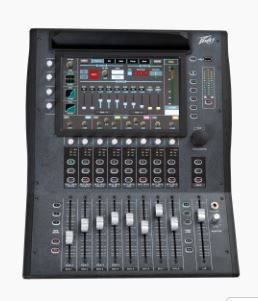
Live performances depend on more than talent alone. Sound quality shapes how the audience experiences every song. When the mix feels balanced, instruments blend naturally, and vocals remain clear across the room. A poor mix can distract listeners even if the band performs well. Many issues come from small oversights during setup or mixing.
These problems often appear during busy gigs where quick decisions happen under pressure. In this blog, you will learn about common mixing mistakes during live shows and how better habits and preparation can lead to a smoother performance.
Technical Mistakes That Affect Live Sound Quality
Live audio systems include many parts working together at once. Microphones, instruments, amplifiers, and speakers all send signals through the mixing console. Small technical errors inside this chain can change the way the entire show sounds.
Working with sound mixers during gigs requires attention to signal levels, tone balance, and overall output. Many mixing issues start with small adjustments that seem harmless at first but grow into noticeable problems later.
Incorrect Gain Staging
Gain staging sits at the beginning of the audio chain. It controls the strength of the signal as it enters the mixer.
When gain levels rise too high, the signal begins to distort before it even reaches the main mix. The result sounds harsh and unpleasant. Vocals may feel strained, and instruments lose their natural tone.
Very low gain creates a different issue. The signal becomes weak, so the operator raises the channel fader or master output to compensate. This approach adds unwanted noise and reduces clarity.
Ignoring EQ Balance
Equalization shapes how instruments sit within the mix. Each instrument occupies its own frequency range. When several channels share the same frequencies, the sound becomes crowded.
Bass guitars, kick drums, and keyboards often compete for low frequencies. If each channel carries too much bass, the mix begins to feel muddy. The audience hears a heavy rumble instead of clear musical detail.
Treble can also cause problems. Excessive high frequencies make vocals sound sharp and tiring to listen to. Cymbals may dominate the mix and mask other instruments.
Overloading the Main Mix
Volume levels during a performance rarely stay constant. Musicians grow more energetic as the show progresses. A mixer operator may increase levels to match that intensity.
Trouble appears when the main output approaches the system’s maximum limit. The speakers struggle to handle the signal, and distortion begins to creep into the sound.
You can prevent this situation by leaving headroom in the mix. Headroom refers to a safety margin below the system’s maximum output level. This extra space allows the system to handle sudden peaks without breaking the sound.
Practical Mixing Habits That Improve Live Performance
Technical knowledge matters, though mixing habits also shape the final result. A thoughtful approach before and during the show often prevents many common issues.
Skipping a Proper Sound Check
A rushed sound check creates problems that appear later in the performance. Every microphone and instrument deserves individual attention before the show begins.
Testing each channel allows you to adjust gain levels, check EQ settings, and listen for unwanted noise. Musicians also use this moment to confirm what they need to hear through stage monitors.
Skipping this step often leads to mid-show adjustments. Fixing problems during a performance distracts both the operator and the musicians.
Poor Monitor Mix for Performers
Stage monitors help performers hear themselves and each other. A balanced monitor mix allows musicians to stay connected with the rhythm and timing of the music.
When the monitor mix feels uneven, performers struggle to maintain confidence. A singer who cannot hear their voice may push too hard. Guitarists might raise amplifier levels to compensate.
Clear communication between the mixer operator and the performers improves this situation. Asking musicians what they need in their monitors helps create a comfortable stage environment.
Ignoring Room Acoustics
Every venue reacts differently to amplified sound. Small clubs, open-air stages, and large halls each shape audio in unique ways.
Hard surfaces reflect sound waves. Reflections create echoes or uneven volume across the room. A mix that sounds balanced near the console may feel completely different at the back of the venue.
Walking around during sound check helps reveal these differences. Listening from several spots allows you to adjust the mix for a more consistent audience experience.
Overusing Effects During Live Mixes
Effects such as reverb and delay can add depth to vocals or instruments. Used lightly, they create a pleasant sense of space.
Too many effects blur the sound. Vocals may lose clarity, and instruments blend into a wash of echoes. Listeners begin to struggle to separate individual parts of the performance.
Moderation works best. A subtle touch of reverb often enhances the mix without distracting from the music itself.
Conclusion
Live sound mixing requires careful listening and steady attention throughout a performance. Small mistakes in gain levels, EQ balance, or monitor mixes can quickly affect the quality of the show. When you prepare properly and stay aware of the room environment, the mix becomes easier to control.
Modern sound mixers provide powerful tools for shaping live audio, though thoughtful operation still makes the biggest difference. As live productions continue to grow in scale and creativity, mixing skills will remain one of the most valuable strengths behind any successful performance.