
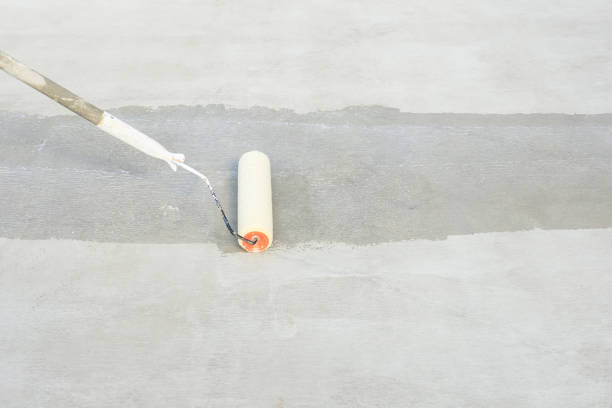
Walk into any paint store and you’ll see a wall of rollers that all kind of blur together. Same shapes, same handles, different labels yelling “pro finish” or whatever. Easy to think they’re interchangeable. They’re not. Somewhere after the first messy job, it clicks. Especially when epoxy gets involved. That stuff doesn’t play nice with the wrong tools. Picking the best roller for epoxy garage floor work isn’t some tiny detail you can wing—it’s the difference between a clean finish and a floor you keep staring at, wondering where it went sideways. I’ve seen it happen. More than once.
What Standard Paint Rollers Are Really Made For
Standard rollers are built for normal paint jobs. Walls, ceilings, quick refreshes. Latex, acrylic, basic stuff. They hold paint well, spread it evenly enough, and don’t fight you too much. That’s their lane. The fibers are softer, a bit fluffier, which helps with coverage on uneven surfaces. Good for drywall. Not so great when things get thicker. You push them into something heavy like epoxy and they start to feel… off. Draggy. Sometimes they leave lint behind, which you won’t notice until it’s too late. And yeah, they can break down faster than you’d expect. They’re not bad tools—they’re just not built for punishment.
How Epoxy Rollers Are Built Differently
Epoxy rollers feel different right out of the wrapper. Tighter, denser, less fluffy. That’s on purpose. They’re made to deal with coatings that are thicker and a bit more aggressive. Epoxy isn’t just paint with attitude—it behaves differently, spreads differently, cures in its own weird way. So the roller has to keep up. These rollers don’t shed as much, which matters a lot when you’re aiming for a smooth surface. Nothing worse than spotting tiny fibers stuck in a finish that’s supposed to look clean. Also, they hold their shape better under pressure and heat. Epoxy can warm up as it cures, and cheap rollers sometimes just… give up halfway. Not ideal.
Application Differences You Actually Notice While Working
This is where things get real. You start rolling epoxy with a standard roller and it feels like you’re pushing syrup across concrete. Heavy, uneven, kind of frustrating. You go over the same spot again, then again, trying to fix it—and that usually makes it worse. More bubbles, more streaks. Switch to a proper epoxy roller and it’s not perfect, but it’s smoother. The coating spreads without that constant resistance. You don’t have to fight it as much. Still takes some technique, obviously. But at least the tool isn’t working against you the whole time.
Finish Quality: Where the Gap Shows Up
You might get away with a standard roller at first glance. Fresh coat, still wet, looks okay-ish. Then it dries. That’s when the problems show up. Uneven sheen, weird streaks, sometimes little bits of lint baked right into the surface. And epoxy doesn’t forgive that. It locks everything in. Epoxy rollers, on the other hand, give you a better shot at that smooth, almost glassy finish people expect. Not saying it’ll magically fix bad technique—but it helps a lot. Less texture, fewer marks. Just cleaner overall.
Durability and Cost: Where People Try to Cut Corners
This part’s predictable. Someone looks at the price difference and thinks, “yeah I’ll just use the cheaper one.” Happens all the time. And sometimes they get away with it… for a bit. But epoxy is rough on tools. Standard rollers can start falling apart mid-job, which is about as annoying as it sounds. Now you’re stopping, switching tools, maybe dealing with a messed-up section. Epoxy rollers cost more, sure, but they hold up. They’re made for that kind of work. So you either pay a little more upfront or deal with a bigger headache later. Not a hard choice, honestly.
Choosing the Right Roller Without Overthinking It
Doesn’t need to be complicated. Regular paint? Use a standard roller. Epoxy or heavy coatings? Use a roller made for it. Look for short nap, shed-resistant material, something that actually says it works with epoxy. That’s it. You don’t need to stand there comparing ten brands for an hour. Just don’t mix tools with jobs they weren’t built for. That’s usually where things go wrong.
The Bigger Picture Most People Ignore
Here’s the part people skip. Tools aren’t just one-off decisions. If you’re doing this kind of work more than once, consistency matters. Same rollers, same brushes, same setup. That’s why some pros go for things like bulk buy paint brushes—not because it’s exciting, but because it keeps everything predictable. You don’t want to switch gear mid-project and suddenly get a slightly different finish. Small changes show up more than you’d think. It’s not about being fancy, just being prepared.
Common Mistakes That Mess Things Up
Big one—treating epoxy like regular paint. It’s not. Another mistake is pressing too hard on the roller, trying to force the coating to spread. That just traps air and leaves marks. Or using a roller that’s already worn out, thinking it’ll “do one more job.” Usually doesn’t. And yeah, grabbing whatever’s cheapest without checking if it’s even meant for epoxy. These aren’t complicated mistakes, just… avoidable ones. Still happen all the time though.
Conclusion
So yeah, epoxy rollers and standard paint rollers might look similar sitting on a shelf, but they’re not playing the same game. One’s built for light, everyday work. The other’s made for thicker, tougher coatings that don’t forgive mistakes. If you’re working on something like a garage floor, it’s really not the place to improvise. Use the right roller, save yourself the hassle. Simple, maybe a bit obvious—but it matters more than people think.