
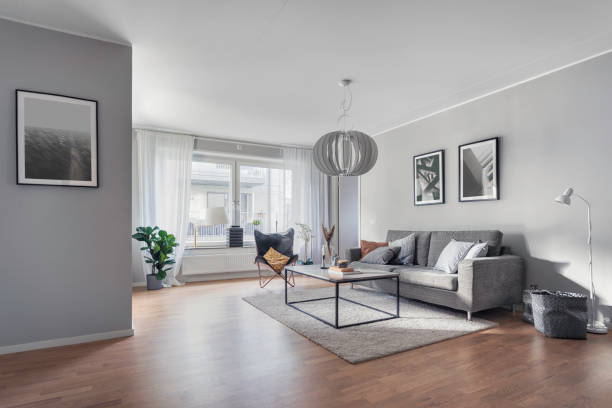
Modern interior design gets talked about like it’s some formula. Clean lines, neutral tones, add a plant, done. But that’s not how real spaces work. People aren’t templates, so their homes shouldn’t be either. I’ve walked into places that looked expensive, well put together, all that—and still felt nothing. Like a hotel lobby you forget in five minutes. The Best Interior Designers in Las Vegas don’t fall into that trap. They build spaces around people, not trends. Big difference, honestly.
Why Personality Matters More Than Trends in Modern Design
Trends are loud. They show up everywhere at once, then disappear just as fast. Personality’s quieter. Takes longer to figure out too. What you like, how you live, what actually annoys you in your own home—that stuff matters more than whatever color is “in” this year. I’ve seen people redo entire rooms just because something went out of style. Waste of time, if you ask me. A space with personality doesn’t age the same way. It shifts with you. Maybe a chair moves, maybe the lighting changes, but the core stays. That’s the part worth getting right.
Function First, Then Make It Look Good
This one sounds obvious, but people still mess it up all the time. They design for photos. Not for real life. You get a beautiful living room that nobody actually sits in. Or a kitchen that looks sharp but drives you crazy when you’re trying to cook. Modern interior design—at least the good kind—starts with function. Where do you drop your keys? Where does the mess build up? What feels awkward every single day? Fix that first. Style comes after. If you flip that order, you’ll end up redoing things. Happens more than people admit.
The Role of Materials and Texture (It’s Not Just About Color)
Everyone talks about color palettes. Few talk about how a space feels when you touch it, walk through it. That’s materials. Texture. The stuff you don’t always notice right away, but you’d miss if it was gone. A room with flat surfaces everywhere feels… off. Too clean, almost fake. Add some rough wood, a soft rug, maybe a slightly worn fabric chair, and suddenly it relaxes a bit. Modern design isn’t about making everything perfect. It’s about giving the space some grip, some contrast. Otherwise it just slides past you.
Open Spaces That Still Feel Personal
Open layouts sound great on paper. More space, more light, everything connected. But in real life, they can feel kind of unfinished if you don’t handle them right. One big room doing ten jobs. That gets messy fast. The trick isn’t adding walls—it’s creating zones. Subtle ones. A rug that defines a sitting area, a light that pulls focus over a table, even how you angle a sofa. Small moves, but they change how the space works. You don’t need to separate everything, just enough so it doesn’t feel like you’re living in a hall.
Lighting: The Quiet Game-Changer
Bad lighting ruins good design. Simple as that. You can have everything else right and still end up with a space that feels harsh or dull. Most homes rely too much on one overhead light. It’s easy, sure, but it flattens everything. Modern interiors layer lighting. Not in some complicated way—just enough to give options. A lamp for evenings, softer light in corners, something focused where you work. It’s not dramatic, but you feel it. The room shifts depending on the time of day. That’s what you want.
Storage That Doesn’t Feel Like Storage
Clutter sneaks up on you. One day it’s fine, next day it’s everywhere. And once it builds up, even a well-designed room starts to feel cramped. Modern design handles this quietly. Storage isn’t an afterthought—it’s built in from the start. Hidden cabinets, furniture that does more than one job, things like that. Nothing too obvious. You shouldn’t feel like you’re surrounded by storage units. Just… space that stays under control without much effort.
Blending Old and New Without Overthinking It
Not everything has to match. Actually, it’s better if it doesn’t. A room where everything comes from the same set feels flat, almost staged. Mixing old and new adds some life. Maybe a vintage table next to a modern chair, or older textures against cleaner lines. The key is not forcing it. People overthink this part, try to balance it perfectly. Doesn’t need that. If it feels right to you, that’s enough. A bit of mismatch is what makes it feel real.
Where Professional Input Actually Makes a Difference
There’s a point where guessing stops working. You can watch videos, scroll ideas, try things out—but some problems only show up later. Layout issues, bad lighting placement, awkward flow. That’s where professionals step in and clean it up. Not in a flashy way. Just practical fixes that make the whole space easier to live in. Teams offering Home Renovation Services in Las Vegas usually handle both the structure and the design side, which helps more than people think. Less back-and-forth, fewer mistakes. Saves time, even if it doesn’t seem like it at first.
Conclusion: Design That Feels Like You, Not a Showroom
At the end of it, modern interior design isn’t about impressing anyone. It’s about making a space that works for you. Feels comfortable. Makes sense for your day-to-day life. It won’t be perfect, and that’s kind of the point. A home should feel lived in, not staged for photos. If it reflects how you actually live—even the messy parts—you’ve done it right. Everything else is just extra noise.