
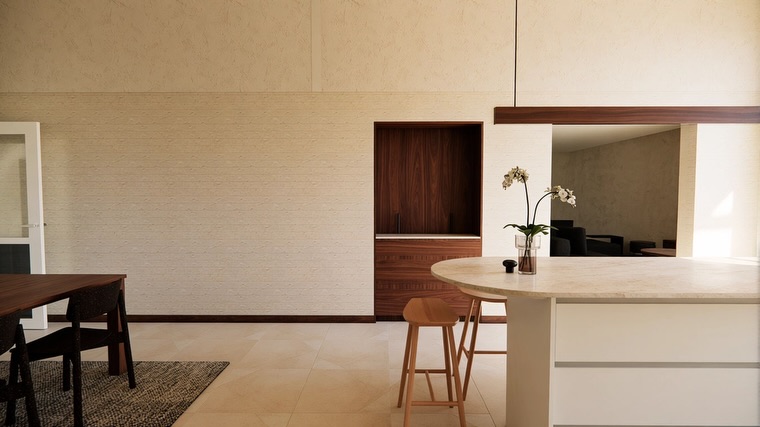
People are tired of homes that cost too much to run. That’s really what’s happening. Electricity bills keep creeping up, winters feel colder inside badly built houses, and summers? Brutal sometimes. So more families are looking at environmentally friendly houses because they actually make day-to-day life easier, not just greener. Big difference there. It’s no longer only about saving the planet, honestly. It’s about comfort. About not hearing your heater working overtime every single night. Homes built with better insulation, smart orientation, natural airflow, and decent materials simply feel different when you live in them. Warmer in winter. Cooler in summer. Less noise, too. And people notice that quickly. Melbourne buyers, especially, are paying attention now because energy-efficient homes are holding value better than many standard builds. You can feel the market changing a bit. Slowly, yeah. But definitely changing. People want houses that make sense long term, not just houses that photograph nicely online.
Cheap Construction Usually Ends Up Costing More Later
There’s this weird thing people still believe. That building sustainable homes automatically means spending insane money upfront. Not always true. In fact, some of the cheapest homes to build become the most expensive ones to live in later. Poor insulation. Bad orientation. Tiny windows where sunlight should’ve been. You end up paying forever through energy bills and constant fixes. That’s where environmentally conscious design starts making practical sense, not just environmental sense. Good builders think beyond the first handover date. They look at airflow, thermal performance, how the block faces the sun, all those details that average buyers don’t really think about at first. But they matter. A lot, actually. Especially in Melbourne’s weather, where mornings can feel freezing and afternoons suddenly hot. Sustainable housing works because it responds to the environment instead of fighting against it. Some homes feel exhausting to live in. Others just work quietly in the background. You notice it more after a year or two of living there.
Passive Design Is Quietly Changing Australian Home Building
You hear the term “passive design” thrown around everywhere now, but honestly most people still don’t fully know what it means. It’s basically smart design before technology even enters the conversation. Positioning rooms correctly. Using sunlight properly. Cross ventilation. Shading that actually works instead of decorative nonsense. Homes designed this way naturally maintain better temperatures without depending heavily on heating or cooling systems all day long. That’s huge. Especially with rising energy prices making everyone slightly nervous lately. A well-designed passive home feels calmer, too. Hard to explain unless you’ve been inside one. There’s less artificial dependence. Less mechanical noise, humming constantly in the background. More natural light. Better air. People sleep differently in homes like that. Sounds dramatic, maybe, but it’s true. Australian housing is slowly moving toward these principles because they make practical sense for our climate. And once homeowners experience it, going back to poorly planned houses feels kind of ridiculous, honestly.
Materials Matter More Than Most Homeowners Realise
A lot of standard homes look decent on the surface but are built with materials that age terribly. Cheap plaster is cracking early. Low-grade insulation is collapsing over time. Poor windows are leaking heat every season. Stuff adds up. Sustainable construction focuses more on durability because replacing materials constantly isn’t environmentally friendly anyway. Makes sense when you think about it. Better timber sourcing, recycled materials, high-performance glass, low-toxicity paints, these things affect daily life more than marketing brochures admit. Indoor air quality matters. Especially for families with kids or allergies. People underestimate that part badly. In Melbourne’s western suburbs, more homeowners are paying attention to builders who actually discuss long-term material performance instead of just fancy kitchen finishes. That’s partly why demand for experienced builders in Melbourne’s West keeps growing around sustainable projects. Buyers are becoming more educated. Slowly, but enough to shift expectations. People want homes that age properly. Not houses that start falling apart emotionally and physically after seven years.
Smaller Homes Are Starting To Make More Sense Financially
Bigger isn’t automatically better anymore. That mindset’s fading a little. People are realising that giant homes with unused rooms don’t really improve quality of life much, but they absolutely increase heating, cooling, and maintenance costs. Sustainable housing pushes smarter use of space instead of endless expansion. And honestly, compact, well-designed homes often feel more functional than oversized ones with awkward layouts. Every square metre should serve a purpose. That’s becoming the thinking now. Open living spaces, better storage, multi-use rooms. More natural light instead of more unnecessary walls. Melbourne families especially are reconsidering what they actually need versus what older housing trends told them they should want. Smaller environmentally focused homes can also free up outdoor space for gardens, water collection systems or shaded entertaining areas. That matters too. A home should support your lifestyle, not constantly demand money and upkeep from you. People are exhausted by houses that feel like permanent financial pressure machines. Fair enough, really.
Energy Efficiency Is Becoming A Serious Selling Point
A few years ago, energy ratings barely influenced buyers much. Now people ask about them earlier in conversations. Sometimes, before discussing the finishes or aesthetics. Rising utility costs changed the mood completely. Buyers want proof that a house won’t bleed money every month through inefficient heating and cooling. Homes with strong thermal performance, solar integration and efficient appliances are standing out harder in the market. And it’s not just eco-focused buyers anymore, either. Regular families care because household budgets matter. Sustainable homes often deliver lower running costs year after year, which becomes incredibly attractive once people calculate long-term expenses properly. Real estate agents are noticing it too. Energy-efficient properties tend to generate stronger interest because buyers understand the practical value immediately. Especially younger homeowners entering difficult markets who are already stretched financially. Nobody wants surprise costs layered on top. Smart sustainable construction reduces that stress. Not perfectly, obviously. But enough that homeowners genuinely feel the difference month to month.
The Emotional Side Of Sustainable Living Gets Ignored Too Often
There’s also something emotional happening with environmentally aware housing that people don’t always talk about openly. Living in a home designed thoughtfully changes your relationship with the space. Better natural light improves mood. Proper airflow feels healthier. Quiet insulation creates calmer interiors. These things sound small individually but together they shape daily life in a pretty major way. Some traditional homes feel draining without owners even understanding why. Constant temperature fluctuations. Dark rooms. Artificial lighting everywhere. Stale air. Sustainable design tends to reduce those issues naturally. It creates homes people actually enjoy spending time inside. And after recent years where more people work remotely or spend longer periods at home, that emotional quality matters way more now. It’s not just about environmental responsibility anymore. It’s about creating spaces that support human wellbeing, too. That side of the conversation deserves more attention, honestly, because comfort isn’t a luxury. It affects everything from stress levels to sleep quality.
Melbourne’s Climate Makes Sustainable Design Even More Important
Melbourne’s weather has always been unpredictable, but lately it feels extra aggressive sometimes. Heatwaves hit harder. Cold snaps linger longer. Standard construction methods don’t always handle those shifts very well. Homes designed around environmental performance adapt better because they’re planned specifically for changing conditions instead of ignoring them. Orientation becomes critical. Insulation quality matters massively. Window placement, shading systems, thermal mass, all those details suddenly become practical survival tools rather than architectural extras. Builders who understand Melbourne’s western growth areas are paying closer attention to this now because homeowners expect more resilience from modern houses. That’s another reason experienced Builders Melbournes West working in sustainable construction are seeing increased interest lately. People want homes prepared for future climate pressures, not just current conditions. A house should protect you comfortably year-round without needing constant artificial correction. That’s the whole point, really. Smart design reduces dependency instead of increasing it.
Sustainable Homes Usually Age Better Over Time
Some homes date terribly within ten years. Others somehow still feel relevant decades later. Sustainable homes often land in that second category because they prioritise functionality over trends. Clean natural lighting. Flexible layouts. Durable materials. Efficient systems. These things age gracefully because they solve real problems rather than chasing design fads. Owners also tend to maintain environmentally focused homes more carefully because they’re invested in long-term performance from the beginning. That helps preserve property value, too. Buyers can feel when a house was thoughtfully built versus quickly assembled for profit margins. It shows eventually. Sustainable houses generally avoid the wasteful cycle of constant renovation because core design principles remain useful longer. Less demolition. Less unnecessary replacement. Better resource use overall. And honestly, people are getting tired of disposable construction quality. Especially with housing costs already high enough. If families are making huge financial commitments, they want homes built to last properly, not temporary structures disguised as premium living.
Environmentally Friendly Houses Are Becoming The New Normal
At some point, this won’t even feel like a niche conversation anymore. Environmentally friendly houses are slowly becoming what buyers simply expect from modern construction. Efficient energy use, healthier materials, smarter layouts, passive performance, these things are turning into baseline expectations rather than luxury upgrades. And honestly, that shift probably needed to happen years ago. Homeowners are more informed now. They ask harder questions. They want transparency about building performance and long-term costs. Especially around Melbourne’s growing suburbs, where families plan to stay long term. Experienced Builders in Melbournes West, focusing on sustainability, understand this change already. They’re not building only for today’s standards. They’re building for what housing will need to become over the next twenty years. That matters. Because homes shouldn’t just look modern. They should function intelligently, too. Otherwise, people end up trapped in expensive, uncomfortable houses that never really worked properly from the start.