
Introduction
Civil landscaping is the process of combining civil engineering principles with landscape design to create functional, attractive, and sustainable outdoor environments. From residential gardens and commercial properties to public parks and large-scale infrastructure projects, civil landscaping plays a vital role in improving both aesthetics and usability.
What Is Civil Landscaping?
Civil landscaping involves the planning, construction, and maintenance of outdoor spaces while considering factors such as drainage, grading, soil conditions, irrigation, and environmental sustainability. Unlike traditional landscaping, civil landscaping incorporates engineering elements to ensure long-term durability and performance.
Key Components of Civil Landscaping
Site Grading and Earthworks
Proper grading helps manage water flow, prevent erosion, and create a stable foundation for landscaping features. Earthworks are often the first step in any civil landscaping project.
Drainage Solutions
Effective drainage systems protect landscapes from water damage and flooding. Head civil landscaper design and install drainage channels, stormwater systems, and retention areas to maintain healthy outdoor environments.
Retaining Walls
Retaining walls provide structural support on sloped terrain while enhancing the visual appeal of a property. They help prevent soil erosion and create usable outdoor spaces.
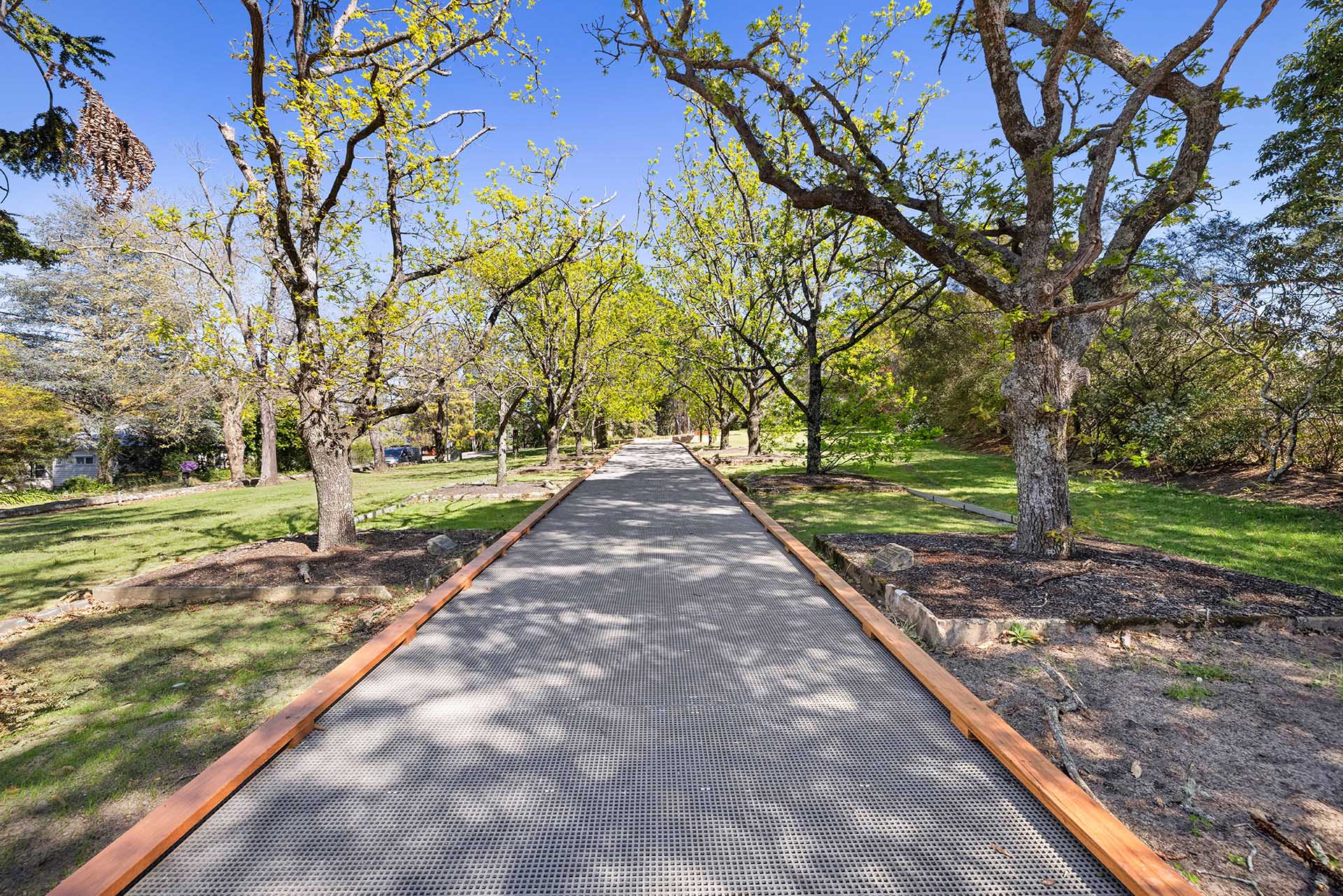
Pathways and Paving
Walkways, driveways, and paved areas improve accessibility and functionality. Civil landscaping projects often include durable paving solutions designed to withstand heavy use and varying weather conditions.
Irrigation Systems
Modern irrigation systems ensure efficient water distribution, helping maintain healthy plants while reducing water waste. Automated systems can further improve sustainability and convenience.
Benefits of Civil Landscaping
Improved Property Value
Well-designed landscapes can significantly increase the value of residential and commercial properties by enhancing curb appeal and usability.
Enhanced Environmental Sustainability
Civil landscaping incorporates eco-friendly practices such as rainwater management, native plant selection, and erosion control to support environmental conservation.
Better Water Management
Proper grading and drainage solutions help prevent flooding, standing water, and soil degradation, protecting both landscapes and structures.
Increased Functionality
Civil landscaping transforms outdoor areas into practical spaces for recreation, business activities, and community use.
Applications of Civil Landscaping
Civil landscaping is widely used in:
- Residential developments
- Commercial properties
- Public parks and recreational areas
- Educational institutions
- Healthcare facilities
- Government and municipal projects
- Industrial sites
Choosing a Civil Landscaping Professional
When selecting a civil landscaping contractor, consider their experience, portfolio, certifications, and ability to handle both engineering and landscaping requirements. A qualified professional can ensure that projects are completed efficiently, safely, and in compliance with local regulations.
Conclusion
Civil landscaping combines the beauty of landscape design with the practicality of civil engineering to create outdoor spaces that are both visually appealing and highly functional. Whether for residential, commercial, or public projects, investing in professional civil landscaping can improve property value, environmental sustainability, and long-term usability.
Frequently Asked Questions (FAQs) About Civil Landscaping
1. What is civil landscaping?
Civil landscaping is the integration of landscape design and civil engineering to create functional, sustainable, and visually appealing outdoor spaces. It includes grading, drainage, paving, irrigation, retaining walls, and site development.
2. How is civil landscaping different from traditional landscaping?
Traditional landscaping focuses primarily on aesthetics, such as plants, lawns, and decorative features. Civil landscaping includes engineering elements like drainage systems, earthworks, retaining structures, and infrastructure improvements.
3. What services are included in civil landscaping?
Civil landscaping services may include site grading, drainage installation, retaining wall construction, paving, irrigation systems, erosion control, landscape design, and outdoor space development.
4. Why is proper drainage important in civil landscaping?
Proper drainage prevents water accumulation, flooding, soil erosion, and damage to structures. It helps maintain the health and longevity of landscapes and surrounding infrastructure.
5. What are the benefits of civil landscaping?
Benefits include improved property value, better water management, enhanced curb appeal, increased outdoor functionality, reduced erosion, and sustainable land development.
6. Can civil landscaping be used for commercial projects?
Yes. Civil landscaping is commonly used for commercial properties, office complexes, shopping centers, industrial facilities, schools, parks, and public infrastructure projects.
7. How much does a civil landscaping project cost?
The cost varies depending on project size, site conditions, materials, and design complexity. Large-scale projects with extensive grading, drainage, or retaining walls typically require a higher investment.
8. What materials are commonly used in civil landscaping?
Common materials include concrete, natural stone, pavers, gravel, timber, steel, geotextiles, and various irrigation components, depending on project requirements.
9. How long does a civil landscaping project take?
Project timelines vary based on scope and complexity. Small projects may take a few days, while larger commercial or municipal developments can take several weeks or months.
10. How do I choose the right civil landscaping contractor?
Look for contractors with relevant experience, a strong portfolio, positive client reviews, proper licensing, and expertise in both landscaping and civil engineering aspects of outdoor development.