
A lot of people choose an air conditioner by looking at room size, checking a few prices, and calling it done. That’s understandable. Nobody wants to turn buying an AC into a research project. But where you live has a bigger say in the decision than most people realise. If you’re talking to ac installers in Bilambil Heights, for instance, the conversation should include more than how many square metres you’re trying to cool. Warm weather, sticky humidity, coastal air and the way your home holds heat can all change what sort of system makes sense. Get those things right early and the AC tends to work with the house. Get them wrong, and you’re making the machine work uphill from day one.
Heat Loads Aren’t the Same in Every House
Two homes can be the same size and still need completely different cooling setups. One might have decent insulation, shaded windows and a roof that doesn’t absorb much heat. Another could have big glass windows facing the afternoon sun and bedrooms upstairs that turn into ovens by 3pm. Same floor area. Very different story. That’s why simply choosing the biggest unit isn’t really a shortcut. An oversized system can cool the temperature quickly, then switch off before it has spent enough time removing moisture. You might think, great, it’s working fast. But the room can still feel muggy. A good installer will look at the house itself, including insulation, windows, ceiling height, sun exposure and how the rooms are arranged. It takes a little longer, but it’s a better way to size the system.
Humidity Changes the Way Comfort Feels
Here’s where things get a bit sneaky. You can have a room sitting at what looks like a comfortable temperature and still feel miserable because the humidity is high. The air feels thick. Bedding feels damp. You walk around wondering why you’re still sweating when the AC is running. That’s because temperature isn’t the only thing your air conditioner is dealing with. As the system cools the air, it also removes moisture. In a humid area, that moisture removal is a big part of feeling comfortable. If the AC is too large and keeps switching off quickly, it may not run long enough to do that job properly. Sometimes the answer is simply better sizing. Sometimes ventilation or separate humidity control is worth considering. It really depends on the home.
Coastal Air Isn’t Great for Outdoor Units
Then there’s the salt. If you’re close to the coast, your outdoor condenser has to live with more than heat and rain. Salty, damp air can contribute to corrosion over time, especially when equipment is sitting in a very exposed spot. It doesn’t mean your AC is doomed. Far from it. But placement is worth thinking about before the installer starts drilling and mounting things. The unit needs open airflow, so hiding it in a cramped corner isn’t smart. At the same time, putting it somewhere completely exposed to coastal weather when another practical location is available doesn’t make much sense either. Depending on the property, corrosion-resistant equipment or protective coatings may also be worth discussing. It’s one of those things that seems minor until years of exposure start showing up.
Your Home Can Make Cooling Easier or Harder
The building itself has a lot to do with how comfortable you’ll be. An older house with gaps around windows can lose cooled air surprisingly quickly. A home with a dark roof may soak up heat all afternoon. Large western windows can turn one room into the hottest place in the house, while another stays fairly comfortable. Open-plan living creates another issue because one AC zone may be trying to handle several spaces with different cooling needs. This is where zoning or separate indoor units can be useful. You don’t necessarily need a complicated setup, though. Sometimes a straightforward split system is perfectly sensible. Think about where people actually spend time. Cooling every room equally, all day, isn’t always the smartest use of electricity.
A Good System Still Needs a Good Installation
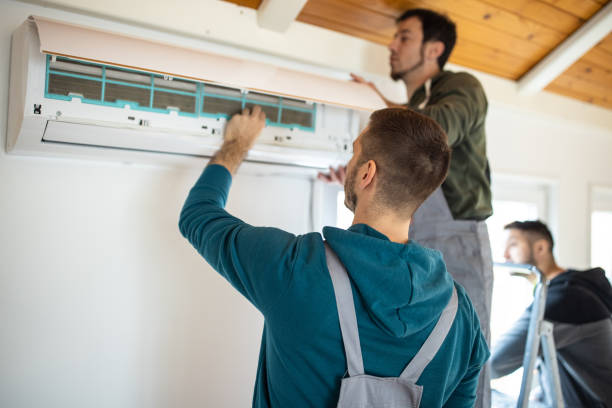
This part gets overlooked because people focus on the brand and model. Fair enough, the equipment is expensive. But installation quality can make a surprisingly big difference. Indoor unit position affects how air moves through the room. Refrigerant pipework needs to be installed correctly. Electrical work has to be safe and properly sized. Then there’s drainage, which becomes especially important when the air is humid and the system is producing plenty of condensation. A badly planned drain can lead to dripping water, damp areas and unpleasant smells. Not exactly what you had in mind when you bought a new AC. Outdoor units also need enough clearance around them to release heat properly. These aren’t glamorous details, but they’re the things you’ll notice when something goes wrong.
Running Costs Start With Installation Choices
Nobody likes opening an electricity bill after a hot month and wondering what happened. The AC doesn’t have to be the villain, though. An efficient system, correctly sized for the property, can do its job without constantly running flat out. Inverter technology can help because the compressor adjusts its output instead of simply running full blast and then stopping. But the machine isn’t working alone. Good insulation helps. Curtains and blinds help. Ceiling fans can move cool air around and make a room feel comfortable at a slightly higher thermostat setting. Even the location of the indoor unit can affect how evenly the room cools. Little things, really, but they add up over a long summer.
Talk to Someone Who Understands the Local Conditions
If you’re getting quotes from ac installers in Chinderah, don’t make the conversation all about price. Of course you want a fair quote. But ask why they’ve recommended that particular system. Ask where the outdoor unit will sit and whether coastal exposure is a concern. Ask how they’ll deal with condensation and what they’ve considered about the layout of your home. You don’t need to understand every technical detail. You just need an installer who’s willing to explain the reasoning instead of pointing at a catalogue and saying, “That one will do.” A proper look at the property is worth a lot more than a rushed quote based on nothing but a floor plan.
Conclusion: Choose for Your Home, Not Just the Weather App
Climate should have a real influence on your AC installation. Heat affects capacity. Humidity affects comfort and moisture removal. Coastal conditions can affect equipment life, while insulation, windows and room layout change how hard the system has to work. None of this means you need the fanciest air conditioner on the market. Quite the opposite, really. You need a system that suits the conditions it’s going into, and an installation that has been thought through properly. Spend a bit more time getting those decisions right at the beginning. It’s a lot less painful than discovering in the middle of summer that your brand-new AC isn’t doing the job you expected.