
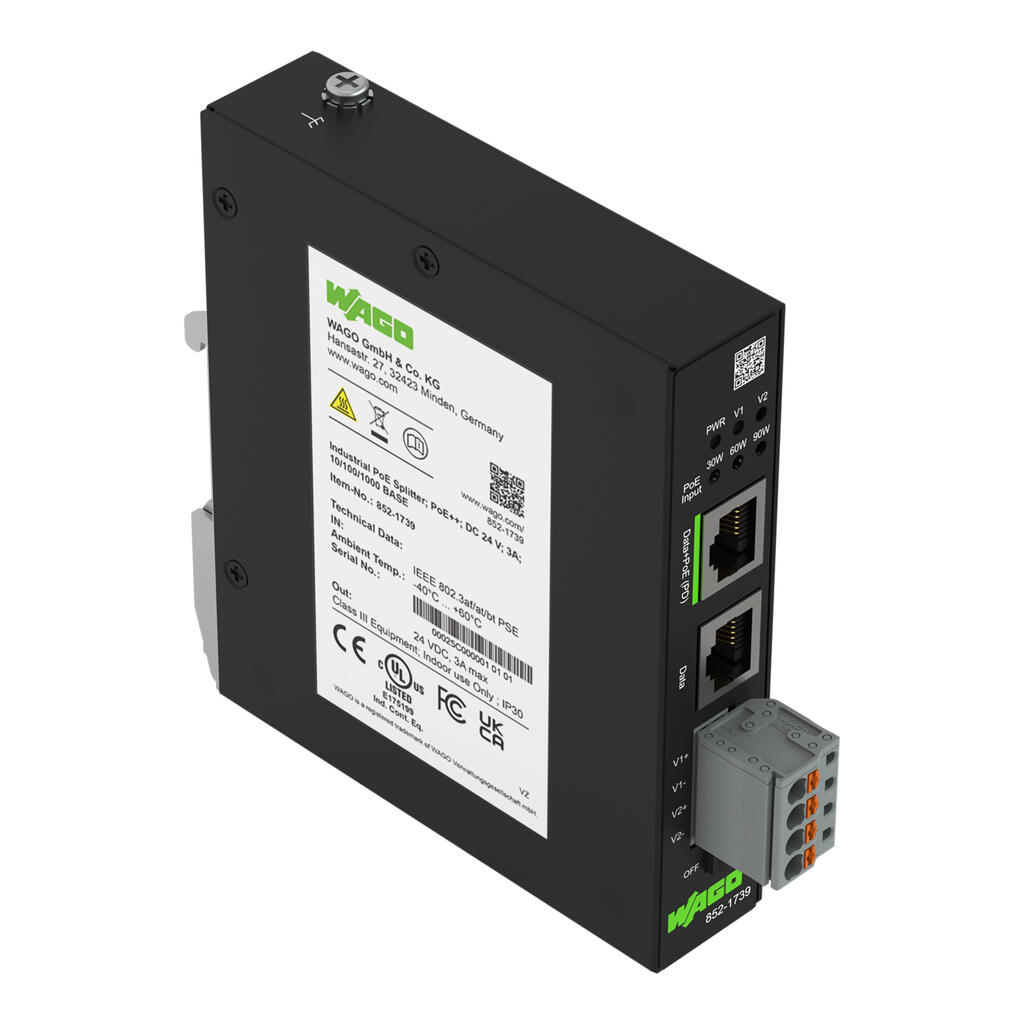
Factory networks have become increasingly large and busy over time. Machines, sensors, and cameras need to be connected and communicate continuously. Therefore, networks have to expand with the growth of factory size. Here fiber optic cables come in handy! They don’t use electricity to transmit information like copper cables.
Indeed, a fiber optic cable can transfer data signals over distances up to 80-100 kilometers long!
That’s like sending a message from one city to another in a blink. But how do you connect all these machines to these super-fast pipes? The answer is industrial network switches. Industrial network switches can connect fiber links with Ethernet devices and create a flexible network across the factory.
To understand more, look at these key ways that make this work!
1. Use Smart SFP Slots for Easy Fiber Connection
An industrial network switch has special ports called SFP slots. SFP stands for “small form-factor pluggable.” These slots work like the USB port on your computer. You can plug different devices into them based on what you need.
Into these SFP slots, you plug a small device called an SFP module. This module connects the fiber optic cable to the switch. You can pick the right SFP module for your specific job. Need to send data over a short distance? Use one type of SFP. Need to send data over a very long distance? Use another type.
This design is very smart! The same switch works with many different fiber optic cables. This makes industrial network switches flexible and ready for any situation.
Why This is So Helpful for Factories
Factories keep changing. They add new machines or rearrange old ones. With SFP slots, changing fiber connections becomes simple. You do not need to buy a new switch. You just swap the SFP module. This approach saves both time and money.
2. Send Data Over Super-Long Distances Without Losing Signal
Copper cables, like the ones in your house for the internet, are great but have a limit. They can only send data clearly for about 100 meters. But thereafter, the signal fades away, resulting in data loss. This is analogous to shouting to a distant friend, but not hearing him beyond a certain distance.
Data is sent using fiber optics through light signals. These light signals can travel thousands of kilometers without getting weaker. Industrial network switches are designed to use this power. They take the data from the machines and send it out through the fiber cable at the speed of light.
This is crucial for big places like:
- Airports
- Highways
- Large factory campuses
These places have equipment spread out over a huge area. The switches employ fiber to link them all into one network. It is as though they had the ability to communicate with somebody on the other side of the world through normal conversation!
3. Protect Data from Electrical “Noise” and Interference
Electrical noise is generated by the machines in the factory owing to their large power. The electrical noise influences the data that travels via the copper cables, causing interference. This can be compared to a situation where one finds oneself in a noisy room with shouting people.
Fiber optic cables are unique. They are made of glass or plastic. Because they don’t use electricity, they are immune to this electrical noise. They are like a shield for your data.
So, when an industrial network switch sends data through a fiber optic cable, it is completely safe. The machines will not cause the data to become jumbled. This makes the whole system more reliable and less prone to mistakes.
4. Build Redundant “Safety Nets” for the Network
Imagine a safety net under a tightrope walker. If they fall, the net catches them. “Network Redundancy” is exactly that, but for your data. What if a fiber cable breaks? Does the whole factory stop working?
No! Industrial network switches are very smart. They can be set up in a ring, which is like a circle. If one part of the circle breaks, the switches simply send the data the other way around the circle. This is called a Redundant Ring.
Smart switches can fix a broken link in under 20 milliseconds. That’s faster than you can blink! This means if a cable is accidentally cut, the machines won’t even notice. They will keep talking, and the work will not stop.
This is especially important in critical jobs like:
- Power stations
- Train control systems
- Water treatment plants
A few seconds lost in these industries would mean huge losses for them. Do you know that an hour of shutdown in an automotive plant costs more than one million dollars? This is why the importance of this “safety net” feature becomes obvious
The Final Words
And there you go! Industrial network switches are the unsung heroes of today’s world. They are the intelligent boxes that keep our gigantic manufacturing facilities, power stations, and cities running. They make sure that machines, computers, and humans communicate with one another regardless of their locations.
They support fiber connectivity in four amazing ways: by using smart SFP slots, sending data over super long distances, blocking out electrical noise, and creating safety-net networks.
Ready to build a smarter, faster network?
WAGO’s industrial switches are designed to handle your toughest challenges. With flexible fiber options and rugged reliability, they keep your operations running smoothly. Visit WAGO today and power your automation journey!