Healing from trauma is never a one-size-fits-all process. Each person’s pain is defined not only by what happened to them but also by where they come from: their family, community, and culture.
In trauma therapy, especially within Eye Movement Desensitization and Reprocessing (EMDR), understanding this cultural context can make the difference between treatment that feels mechanical and treatment that truly heals.
EMDR, developed by Francine Shapiro, is a structured, evidence-based approach that helps people reprocess distressing memories so they no longer feel as overwhelming. But as many seasoned practitioners emphasize, EMDR is more than a protocol; it is a relationship. Successful outcomes depend on how well the therapist attunes to the client’s emotional and cultural world.
When Culture Shapes the Way We Heal
Research by EMDR experts Spear Chief and Paulson offers valuable insights into this. Spear Chief (2021) stressed that cultural awareness is essential for building trust, safety, and engagement, especially for Indigenous and marginalized communities. Without this foundation, even the best therapy techniques can fall flat. Clients need to feel seen not just as individuals, but as members of cultures with their own values, traditions, and ways of expressing pain.
Paulson and Spear Chief later identified common barriers such as language gaps, stigma around mental health, and differences in how trauma is expressed. For instance, in some cultures, emotional restraint or silence is a sign of respect, not avoidance. Misunderstanding these expressions can lead to ineffective or even harmful interventions.
Adapting EMDR to Honor Cultural Stories
When EMDR is culturally adapted, outcomes improve. Therapists who tailor sessions to include clients’ cultural perspectives, whether through storytelling, community involvement, or spiritual traditions, see stronger engagement and greater symptom relief. In short, EMDR works best when it honors both the science of the brain and the wisdom of culture.
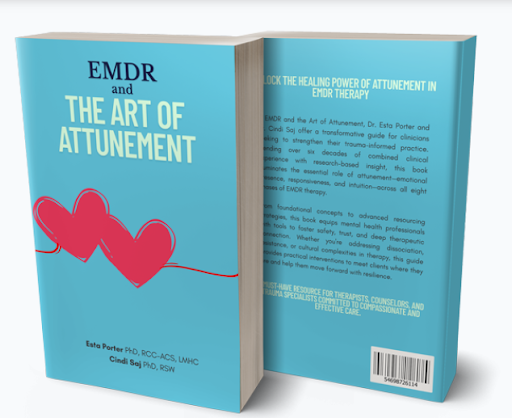
This idea closely ties to the broader theme in EMDR and the Art of Attunement by Dr. Esta Porter and Dr. Cindi Saj. Therapy is as much about being with the client as it is about doing something with to them. Attunement, the therapist’s ability to sense, understand, and respond to a client’s needs, extends beyond emotions to include their identity and cultural background. When therapists listen with cultural curiosity, therapy becomes more human, compassionate, and effective.
Cultural Sensitivity as Compassion in Action
Cultural sensitivity is not an optional extra for trauma work; it is a form of empathy and ethical care. It helps ensure that therapy does not unintentionally replicate the same systems of exclusion or misunderstanding that caused harm in the first place. For clients, it means feeling safe and respected. For clinicians, it deepens connection and insight.
Ultimately, trauma treatment thrives when we pair professional skill with cultural humility. EMDR practitioners remind us that healing involves more than processing memories. It is about recognizing the full story of who our clients are. True attunement means honoring both their pain and the culture that shapes their path toward recovery.
Ready to Learn More?
To explore these ideas in greater depth, including how attunement and cultural awareness intersect within EMDR, read EMDR and the Art of Attunement. This insightful book offers clinicians and readers alike a deeper look at how empathy, intuition, and cultural understanding come together to create meaningful, lasting healing.
Grab your copy now.