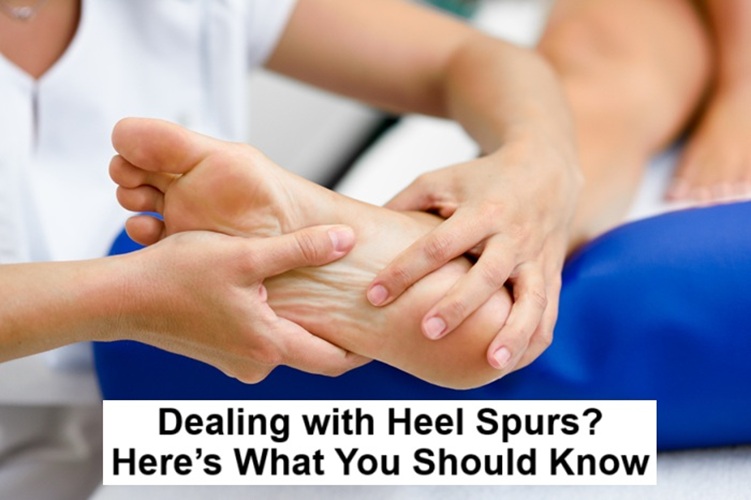
Have you noticed that your heel was hurting even though you couldn’t recall doing anything that would have caused it?
Although heel pain is associated with a variety of problems, one of the most common is related to heel spurs. So, to help you know when you might be suffering from heel spurs (and when maybe it’s something else), we’ve put together a list of essentials to help you find and get relief as soon as you can.
What do you mean by heel spurs?
A growth that forms beneath your heel bone as a result of calcium deposits that accumulate over time is known as a heel spur. It is also known as a bone spur or calcaneal spur. Additionally, where the Achilles tendon attaches to the bone at the rear of the heel, they may form. Since these deposits form inside your foot, they are frequently overlooked until symptoms appear.
Certain heel spurs are harmless, but if left untreated, others can be extremely uncomfortable. The heel bone may become severely inflamed due to these growths since they create a bony protrusion on the bottom of the heel. That implies that the more weight or impact you put on your heel it will more likely to worsen the issue.
Any sudden onset of heel spur symptoms can occur in anyone, but athletes and people who are on their feet all day more often report increasing discomfort.
Spurs are most commonly identified in the heel, but they can also arise in other parts of the body, such as the knees, hips, spine, shoulders, and hands.
What Causes Heel Spurs?
Several things can lead to heel spurs, including:
- Standing or walking for long hours
- Running or doing high-impact sports
- Being overweight
- Wearing shoes without proper support
- Having arthritis or other joint problems
- Regular wearing of slip-on flat shoes like flip-flops
- Jobs that compel you to stand for long hours
Indeed, heel spurs are caused more often than not by an amalgamation of lifestyle, footwear, and activity.
Signs Indicating That You May Have a Heel Spur
Not all heel spurs cause pain. But if they do, here are some signs to watch out for:
- Sharp or dull pain in the heel, or maybe after walking or standing
- Swelling or inflammation in the heel area
- A warm feeling in the heel
- Tenderness where your heel touches the ground
- A bony bump or protrusion under the heel
These symptoms can sometimes be confused with plantar fasciitis, which is another common foot problem. A medical professional can help tell the difference using tests or imaging.
Heel Spur vs. Plantar Fasciitis
Heel spurs and plantar fasciitis are often related, but not the same.
- Heel spurs are bone growths.
- The inflammation of the plantar fascia, the band of tissue that runs from your heel to your toes, is known as plantar fasciitis.
Heel spurs are bony growths on the heel, and plantar fasciitis is an inflammatory disease of the plantar fascia, a band of tissue in the lower foot.
A heel spur is not going to disappear without treatment, with surgery being one of the options in rare cases. However, time alone is usually sufficient for the healing of plantar fasciitis.
Treatment of Heel Spurs
The majority of heel spurs do not require any surgery. These are some of the easy tips to relieve the pain and heal your heel:
-
Put your Feet to Rest
Give rest to your feet, more particularly when you have been walking all day. Rest also alleviates pain and neutralizes further injury.
-
Apply Cold Packages
Use an ice pack a couple of times per day for 10-15 minutes. This is beneficial in terms of relief of pain and swelling, particularly after an activity.
-
Try Stretching Exercises
Gentle stretches can ease tension in the heel and calf. A few helpful ones include:
- Calf stretches against the wall
- Foot rolls using a tennis or golf ball
- Towel grabs with your toes
- Seated foot flexes
These can be done anytime, but doing them before bed can help if you often wake up with heel pain.
-
Wear Supportive Shoes or Inserts
Good shoes matter. Look for ones with solid arch and heel support. You can also add heel cushions or orthotic insoles to reduce pressure on your heel.
-
Make Lifestyle Adjustments
A healthy weight relieves stress on your feet. Do not run or walk on hard surfaces for a long time. A light massage of the foot using anti-inflammatory essential oils would help too.
Can Heel Spurs Be Prevented?
Here are some ways to reduce your risk of heel spurs:
- Wear comfortable shoes that fit well
- Do some stretching before exercise
- Take rests after extended periods of walking or standing
- Prevent your heels from experiencing constant strain
- Maintain your weight
- Caring for your feet daily goes a long way in preventing pain and other foot problems.
When is Surgery Needed?
Surgery is usually a last option. It is considered when pain is severe and doesn’t improve with other treatments. Removal of the bony growth is the main procedure of heel spur surgery. There are situations when a part of the plantar fascia is also freed to reduce the tension caused by the spur.
The type of recovery is mostly identified by rest, ice, and the use of supportive aids like crutches or a cane to enable you to put some weight on your foot gradually.
The scans or tests will help a doctor to ascertain the diagnosis, after which he or she will decide whether surgery is the most suitable mode of treating an individual. You can consult the best orthopedic surgeon in Delhi NCR for your treatment.
Final Thoughts
Heel spurs are a common cause of heel pain, but they do not always need aggressive treatment. It is enough to rest, wear supportive shoes, stretch, and apply cold compresses on the heel to lessen the pain and get going again.
If the pain keeps coming or escalating, it should never be ignored. A consultation with a healthcare provider is important for the appropriate diagnosis and treatment.
You can easily find a good foot and ankle doctor in Delhi for your heel pain. Your feet do so much for you; proper care for them can greatly benefit you in daily life.