
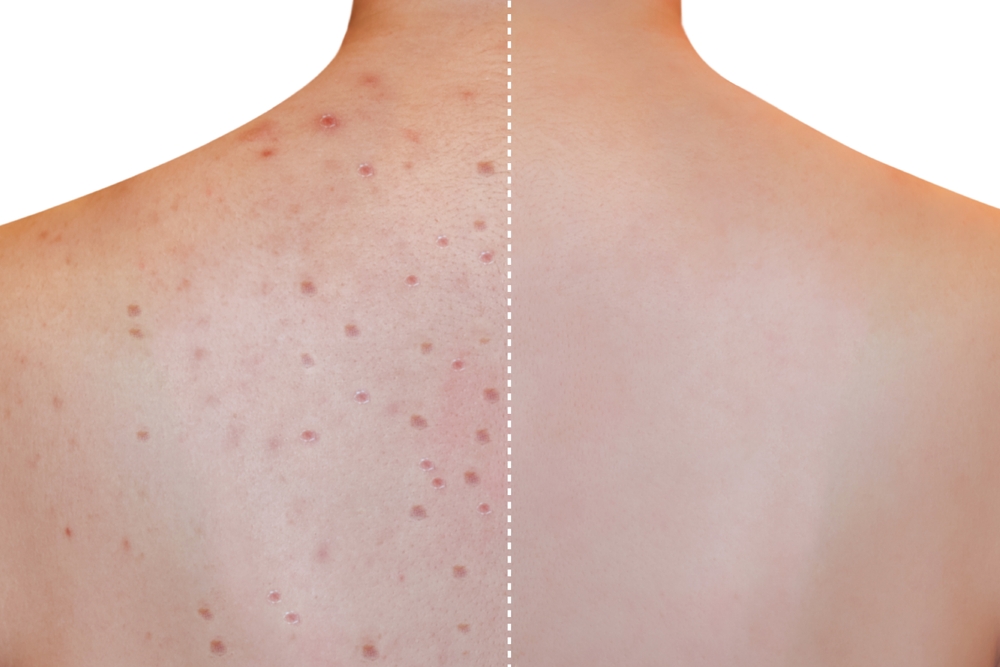
Introduction
Have you ever noticed breakouts showing up on places you did not expect, like your shoulders or back? It can feel frustrating when you take good care of your face yet still deal with acne in other areas. These spots are often hard to reach, which makes managing them even more challenging.
This brings us to the common discussion of shoulder vs back acne. While the two seem alike at first glance, they have unique triggers, symptoms, and treatments. Understanding these differences helps you manage them more effectively and prevents unnecessary stress.
In this blog, you will learn what sets shoulder and back acne apart, what causes them, how they can affect your daily life, and the practical steps you can take to treat and prevent them.
Why Shoulder and Back Acne Are Not the Same
At first, it may seem like shoulder and back acne are just the same problem in two locations. However, that is not true. The causes, severity, and even lifestyle connections are often different.
Your shoulders are smaller areas with thinner skin compared to your back. Because of this, acne on shoulders often relates more to friction and irritation. Wearing tight straps, heavy bags, or sports gear can trigger breakouts. Sweat and bacteria get trapped, which leads to small pimples or red bumps.
On the other hand, your back has larger oil glands. This makes it more prone to deeper cysts and persistent breakouts. The skin on the back also produces more sebum, so clogged pores become more common. For many people, back acne feels more stubborn than shoulder acne because it spreads quickly across the wider surface.
Here’s the thing: recognizing where your acne starts is the first step in managing it. Treating shoulder acne like back acne, or the other way around, may not give you the results you want. Each area has unique care needs, and that is what we will break down in the next sections.
Causes of Shoulder Acne
Shoulder acne usually appears for reasons linked to your lifestyle. One of the main causes is friction, which dermatologists call “acne mechanica.” When fabric or straps rub against your skin, irritation builds up and triggers pimples.
Moreover, sweat is a key factor. After exercising, if sweat stays on your skin under clothing, it mixes with bacteria and oil. That buildup leads to clogged pores. Shoulder skin is exposed to the environment more often, so dust or products like sunscreen can add to the problem.
Some common triggers include:
- Wearing tight or synthetic fabrics
- Carrying heavy backpacks or shoulder bags
- Using skincare or hair products that clog pores
- Not showering soon after exercise
Hormonal changes may also play a role. For some people, shoulder acne flares up around certain times in their cycle or during stress. Even though diet is not the biggest cause, greasy or sugary food may worsen inflammation in some cases.
Unlike back acne, shoulder acne is often smaller in size but can still be painful. Since shoulders are visible in many outfits, it can affect your confidence too. The good news is that once you identify these causes, simple adjustments like switching fabrics or changing workout habits can reduce flare-ups noticeably.
Causes of Back Acne
Back acne, often called “bacne,” is usually more severe than shoulder acne. Your back has many sebaceous glands, and they produce a lot of oil. When this oil mixes with dead skin and bacteria, breakouts occur. Because of the size of the area, pimples can spread fast and turn into painful cysts.
Another major factor is sweat. If you work out often or live in a hot climate, sweat collects on your back. Without proper cleansing, that moisture turns into a breeding ground for bacteria.
Not only that, but hormones play a bigger role in back acne compared to shoulders. Teens and young adults often experience flare-ups due to increased oil production. Adults may also see back acne during times of stress or hormonal imbalance.
Some common back acne triggers include:
- Wearing tight sports gear without breathable fabric
- Poor showering habits after workouts
- Using oily body lotions or sunscreen
- High levels of stress or hormonal changes
The tough part is that your back is harder to clean than your shoulders. Since you cannot easily reach it, dead skin and oil stay trapped. That makes prevention and treatment more challenging. While shoulder acne can improve with small lifestyle changes, back acne often needs consistent skincare or even medical treatment.
Symptoms: How They Look and Feel Different
You may wonder how to tell the difference between shoulder and back acne at first glance. Both can appear as red bumps, blackheads, or even whiteheads, but their patterns vary.
Shoulder acne often looks like small pimples or clusters of red bumps. They usually appear near straps or areas where friction occurs. The discomfort is usually mild, though itching and irritation are common.
Back acne can be more painful. It tends to appear as larger cysts, nodules, or widespread clusters. In severe cases, it leaves scars or dark spots. Because of its size and depth, back acne feels more inflamed than shoulder acne.
In addition, shoulder acne clears faster once the irritation is reduced. Back acne, however, may take longer to heal and often requires stronger treatments. By noticing these differences, you can better decide whether home care is enough or if you need professional help.
Treatment for Shoulder Acne
When dealing with shoulder acne, small lifestyle adjustments often make a big difference. Because friction and sweat are the main triggers, reducing them helps you see results faster.
Start by choosing breathable fabrics like cotton instead of tight synthetic materials. Avoid carrying heavy straps that press against your skin for long hours. After exercising, shower as soon as possible to wash away sweat and bacteria.
Over-the-counter products can also help. Look for body washes or creams with ingredients like:
- Salicylic acid to unclog pores
- Benzoyl peroxide to reduce bacteria
- Glycolic acid to remove dead skin
Another useful tip is to keep your hair products away from your shoulders. Hair oils and sprays can clog pores if they touch your skin repeatedly.
If your shoulder acne persists despite these efforts, consulting a dermatologist is a good idea. They may prescribe stronger topical treatments or oral medication. Since shoulder acne is often mild to moderate, most people notice improvement within a few weeks when consistent care is applied.
Treatment for Back Acne
Back acne often requires more targeted treatment than shoulder acne because of its severity. Since the area is harder to reach, you may need special tools like back scrubbers or sprays to apply products evenly.
A consistent skincare routine helps. Use a gentle body wash daily, followed by acne-fighting products. Options that work well include:
- Benzoyl peroxide cleansers kill bacteria
- Salicylic acid to prevent clogged pores
- Retinoid creams to improve skin turnover
Moreover, lifestyle adjustments are essential. Wear loose clothing during workouts, wash your gym gear often, and avoid staying in sweaty clothes for long. This prevents bacteria from spreading across your back.
For more severe cases, dermatologists may recommend oral antibiotics, hormonal therapy, or even isotretinoin. These treatments address deeper causes and work when topical options are not enough.
It is also important to remember that back acne takes longer to heal than shoulder acne. Consistency is key. If you stick with a treatment plan for several months, you will likely see gradual improvement.
Prevention Tips for Both
Preventing acne on your shoulders and back often comes down to daily habits. While each has unique causes, there are overlapping steps that protect both areas.
- Shower quickly after sweating or exercising
- Use non-comedogenic lotions and sunscreens
- Wash workout gear regularly
- Avoid tight straps or clothing that traps heat
- Exfoliate gently once or twice a week
In addition, keeping stress levels under control may reduce flare-ups. Balanced meals with fewer greasy or processed foods can also support clearer skin.
The important part is to stay consistent. Occasional care will not stop acne from returning. By combining skincare with smart lifestyle changes, you lower your chances of dealing with painful or embarrassing breakouts on both your shoulders and back.
You may explore https://regic.net/ for the latest blogs.
Conclusion
Shoulder acne and back acne may look similar, but they are not the same. Shoulder acne usually comes from friction, sweat, and lifestyle habits, while back acne is more linked to oil production and hormones. Their symptoms, severity, and treatments differ, which is why identifying the cause is the first step toward relief.
Whether your concern is mild irritation on your shoulders or stubborn breakouts on your back, targeted care can bring improvement. And if over-the-counter options are not enough, professional guidance is always available.
Ongoing Metro Boston acne research studies continue to explore better ways to manage and treat acne, offering new insights that can guide more effective care in the future.


Pingback: Comparing Lupus and Rheumatoid Arthritis: Key Differences