Many Dubai villa owners believe that energy-efficient AC units—particularly inverter systems, VRF/VRV systems, and high-SEER central units—are not powerful enough to cool large spaces quickly. This misconception is common, especially in villas with high ceilings, large glass windows, open living areas, and multiple floors.
But the idea that “energy-efficient AC units can’t handle big villas” is simply a myth. In reality, the problem is rarely the efficiency of the system. Instead, cooling performance depends on proper sizing, system design, installation quality, and maintenance.
This article breaks down why this myth exists, why it’s misleading, and how modern energy-efficient cooling technology is actually more effective and cost-efficient for large Dubai villas.
1. Why This Myth Exists in the First Place
Large villas in Dubai often face genuine cooling challenges:
- Open-plan living rooms
- Tall double-height ceilings
- Floor-to-ceiling windows facing the sun
- Multiple rooms and floors
- Large outdoor areas requiring separate cooling zones
These spaces require strong and balanced cooling, and when homeowners experience hot spots or weak airflow, they quickly blame the AC unit itself.
The myth formed because older systems struggled to balance efficiency with power. But today, advanced systems—especially VRF/VRV and inverter technologies—are designed specifically for large, luxury villas.
2. Energy-Efficient AC Units Are NOT “Weak” — They’re Smart
Many believe that energy-efficient ACs save electricity by providing weaker, slower cooling. This is incorrect.
Modern high-efficiency systems are built to:
- Adjust cooling output based on real-time demand
- Run without the constant on/off cycles that waste energy
- Maintain stable temperatures in large areas
- Deliver rapid cooling when needed
Inverter and VRF compressors automatically increase capacity on hot days and decrease output when the villa reaches the desired temperature.
This means:
✔ More cooling power when required
✔ Less energy wasted
✔ Better comfort in large spaces
Nothing about modern efficiency technology makes an AC less powerful.
3. Large Villas Often Fail to Cool Properly Due to Wrong AC Sizing
One of the biggest reasons people think efficient ACs don’t work for big villas is incorrect sizing.
Common issues include:
- Undersized AC units
- Mismatched indoor and outdoor units
- Shared ducting between oversized rooms
- Inaccurate BTU calculations
- Builders installing “standard-size” ACs instead of villa-specific systems
If a 2–3 ton unit is installed where a 4–5 ton unit is needed, no amount of energy efficiency will fix the cooling problem.
In fact, energy-efficient units perform best when sized correctly, because they can modulate cooling more precisely.
4. Poor Installation Is a Bigger Problem Than Efficiency
Energy-efficient AC systems—especially VRF/VRV—require skilled installation. If installed incorrectly, they can:
- Cool unevenly
- Consume more energy
- Produce loud operation
- Short-cycle frequently
- Fail to reach thermostat settings
Problems caused by poor ac installation dubai include:
- Incorrect refrigerant charge
- Leaky or poorly insulated ductwork
- Wrong indoor unit placement
- Cheap thermostats incompatible with the system
- Improper zoning design
Homeowners often mistake these installation errors for “weak performance,” thus reinforcing the myth.
5. Energy-Efficient AC Units Cool Large Areas Better With Zoning
Large Dubai villas benefit greatly from AC zoning, where different floors or rooms cool independently.
Efficient systems use:
- Smart thermostats
- Multiple indoor units
- Modulating outdoor compressors
This allows:
✔ even cooling throughout the home
✔ less energy wasted cooling unused rooms
✔ better system lifespan
✔ improved comfort
Older non-inverter units cool all areas at maximum power, causing high bills and uneven temperatures.
Energy-efficient units, on the other hand, adapt to each zone’s needs—making them ideal for villas with many rooms.
6. Dubai’s Climate Makes Efficiency Even More Important
In a city with extreme conditions:
- temperatures above 45°C
- high humidity
- prolonged summer months
- intense sunlight exposure
AC systems run longer and harder compared to most places. Large villas especially face:
- bigger cooling loads
- continuous heat infiltration
- long operating hours
Energy-efficient ACs are designed to operate smoothly under these conditions while reducing stress on the system.
Benefits include:
✔ reduced DEWA bills
✔ fewer breakdowns
✔ extended compressor lifespan
✔ stable indoor temperatures
The harsher the climate, the more beneficial efficiency becomes.
7. High-Efficiency Systems Are Specifically Designed for Large Buildings
Many technologies used in villas today originally came from commercial buildings:
- VRF/VRV systems for hotels and malls
- Inverter central AC for large offices
- High-SEER ducted systems for commercial towers
These systems are engineered to:
- cool large spaces quickly
- maintain constant temperatures
- reduce operating costs
- handle heavy daily usage
So the belief that “efficient ACs don’t work in big villas” contradicts how these systems were designed.
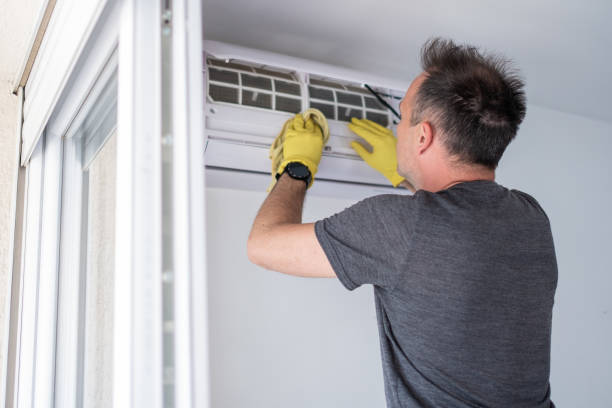
8. Regular Maintenance Improves Cooling Power—Not Just Efficiency
Many homeowners judge their AC’s cooling ability based on performance during dusty, humid, or poorly maintained periods. But large villas require more frequent:
- filter cleaning
- coil washing
- duct inspections
- gas level checks
- thermostat calibration
When ac preventive maintenance is skipped:
- airflow drops
- cooling becomes slower
- humidity rises
- energy use increases
This leads to the false assumption that “efficient” ACs are weak, when the real issue is poor upkeep.
Conclusion: Energy-Efficient AC Units Are the Best Choice for Large Dubai Villas
The myth that energy-efficient AC units don’t work well in big homes is outdated and misleading. When properly sized, installed, and maintained, modern efficient AC systems:
✔ cool faster
✔ cool more evenly
✔ consume less energy
✔ handle larger loads
✔ last longer
✔ reduce DEWA bills
For Dubai villas, energy efficiency doesn’t mean reduced performance—it means smart performance.