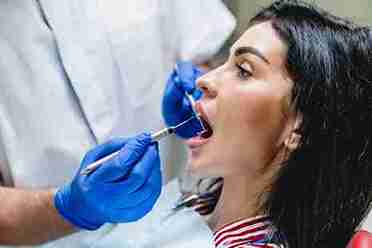
Replacing a single missing tooth with a dental implant is a highly effective and long lasting treatment option. While the surgical procedure itself is precise and predictable, the true success of a single tooth implant depends on detailed planning long before placement. A comprehensive evaluation ensures that biological, functional, and aesthetic factors are carefully considered, reducing the risk of complications and improving long term outcomes.This article explores the essential evaluation steps clinicians follow before placing a single tooth implant, highlighting why a structured, patient centred approach is critical for predictable and durable results.
Comprehensive Patient Assessment
The foundation of implant success lies in understanding the patient as a whole. A thorough assessment helps identify systemic and local factors that may influence healing and implant stability.
Medical History Review
Medical conditions and lifestyle habits can significantly affect implant outcomes. Clinicians assess:
- Diabetes and glycaemic control
- Cardiovascular conditions and medications
- Bone related disorders such as osteoporosis
- Use of bisphosphonates or immunosuppressants
- Smoking and alcohol consumption
Identifying these factors early allows the treatment plan to be adjusted accordingly, improving safety and predictability.
Dental History Review
Dental history provides insight into the cause of tooth loss and surrounding tissue health. Important considerations include:
- Reason and timing of tooth loss
- History of periodontal disease or trauma
- Previous restorations or implant treatments
- Patterns of tooth wear or fracture
This information helps clinicians anticipate challenges and select the most appropriate implant strategy.
Clinical Oral Examination
A detailed clinical examination offers valuable information that imaging alone cannot provide. Both hard and soft tissues must be assessed carefully.
Key aspects include:
- Gingival health and inflammation
- Thickness of the gingival biotype
- Width of keratinised tissue
- Condition and alignment of adjacent teeth
- Overall oral hygiene standards
Thin or fragile soft tissue may require additional management to ensure stable, aesthetic results, particularly in visible areas of the mouth.
Occlusal and Functional Analysis
Occlusal evaluation is critical for single tooth implants, as implants respond differently to biting forces compared to natural teeth. Without a periodontal ligament, implants are less forgiving to excessive or uneven loads.
Clinicians evaluate:
- Bite force distribution
- Presence of parafunctional habits such as bruxism
- Interarch space for the final restoration
- Relationship with opposing teeth
Addressing occlusal issues early helps prevent overloading, mechanical complications, and bone loss around the implant.
Radiographic and Imaging Evaluation
Imaging plays a central role in modern implant dentistry, allowing precise assessment of bone and anatomical structures.
Conventional Imaging
Periapical and panoramic radiographs are often used initially to identify:
- Residual infection or pathology
- Approximate bone height
- Neighbouring roots and anatomical landmarks
While useful, two dimensional images have limitations when detailed measurements are required.
Advanced Imaging with CBCT
Cone Beam Computed Tomography (CBCT) provides three dimensional visualisation, enabling clinicians to assess:
- Bone height, width, and angulation
- Bone density and quality
- Proximity to nerves and sinuses
In clinics providing dental implant Bristol services, CBCT imaging is essential for accurate planning and safe implant placement.
Bone Quality and Site Assessment
Adequate bone volume and quality are fundamental to implant success. Site specific assessment determines whether the existing bone can support an implant or if additional procedures are required.
Bone Assessment Factors
- Horizontal and vertical bone dimensions
- Bone density classification (D1–D4)
- Presence of defects or concavities
| Bone Quality | Clinical Implication |
| Dense bone | High primary stability |
| Moderate bone | Ideal for standard protocols |
| Low density bone | May require staged treatment |
When deficiencies are identified, bone grafting or modified placement protocols may be recommended.
Soft Tissue and Aesthetic Assessment
Aesthetic evaluation is particularly important when replacing a single tooth in the smile zone. Even a well integrated implant can appear unnatural without proper soft tissue management.
Key considerations include:
- Gingival contour and symmetry
- Papilla height between adjacent teeth
- Smile line and lip dynamics
- Colour and texture of surrounding tissues
For cases involving Front Teeth Dental Implants Bristol, precise soft tissue planning is essential to achieve natural looking, harmonious results.
Prosthetically Driven Planning Approach
Modern implant dentistry follows a restorative first philosophy, where implant placement is guided by the final crown position rather than bone availability alone.
Core Planning Principles
- Determine ideal crown position before surgery
- Plan implant angulation for optimal load distribution
- Ensure sufficient space for restorative materials
- Select appropriate abutment and retention type
Digital planning tools, diagnostic wax ups, and surgical guides help align surgical accuracy with restorative goals. In Dental Implant Bristol practices, this integrated approach supports predictable function and aesthetics.
Timing of Implant Placement and Healing Strategy
The timing of single tooth implant placement plays a significant role in long term success, particularly in preserving bone and soft tissue aesthetics. Selecting the correct timing depends on site condition, infection status, and aesthetic demands.
Choosing the right healing strategy helps reduce complications and improves predictability.
Common Timing Options:
- Immediate placement: Implant placed at the time of extraction to preserve bone
- Early placement: Implant placed after soft tissue healing (6–8 weeks)
- Delayed placement: Implant placed after complete bone healing (3–6 months)
Careful timing supports stable osseointegration, optimised aesthetics, and long term implant durability.
Risk Evaluation and Patient Communication
Identifying risks before treatment allows for informed decision making and realistic expectations. Risk assessment includes:
- Systemic health considerations
- Local anatomical challenges
- Occlusal and functional risks
- Patient compliance and oral hygiene habits
Clear communication regarding treatment stages, healing timelines, and maintenance responsibilities ensures patients understand their role in long term implant success. This is particularly important for highly visible restorations such as front teeth dental implants Bristol, where patient expectations are often high.
Conclusion
Successful single tooth implant placement relies on far more than surgical skill alone. Comprehensive evaluation, including medical and dental assessment, imaging, occlusal analysis, and aesthetic planning, is essential for achieving predictable, long lasting results. By adopting a patient centred and prosthetically driven approach, clinicians can minimise risks and deliver restorations that function well and blend seamlessly with natural teeth.For patients seeking meticulous planning and personalised implant care, Smilo Dental Implant Bristol offers expert evaluation and treatment designed to support lasting oral health and confident smiles.