From Sand Dunes to Skylines
There was a time when endless golden sands stretched across the Arabian Peninsula, where small fishing villages survived on pearls, trade, and tradition. Today, one of those humble settlements has transformed into one of the most modern and magnificent cities in the world—Dubai. This transformation is often described as a miracle of vision, ambition, and innovation. The story of Dubai is not just about skyscrapers or luxury; it’s about how determination and imagination can turn a barren desert into a bustling metropolis. Understanding this transformation is important because it reflects the power of human creativity, the role of economic planning, and the ability of a nation to adapt to global trends while preserving its culture.
The Birth of a Vision
Dubai’s journey began in the early 20th century as a small trading post along the Arabian Gulf. The city’s location made it a natural harbor for merchants from India, Persia, and East Africa. However, the real turning point came after the discovery of oil in the 1960s. Under the leadership of visionary rulers such as Sheikh Rashid bin Saeed Al Maktoum, Dubai invested its oil wealth not just in infrastructure, but in building a diversified economy. Roads, ports, airports, and free trade zones were developed to attract global business. What makes Dubai remarkable is that it planned for a future beyond oil—a strategy that has now made it one of the world’s leading global hubs.
Economic Transformation and the Role of Global Connectivity
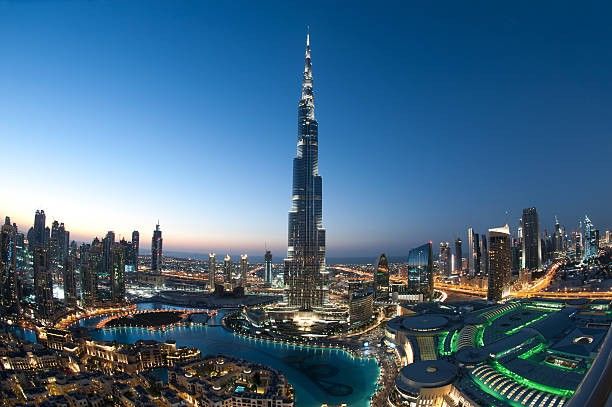
One of the key reasons behind Dubai’s rapid growth is its focus on connecting the world. Its location between Europe, Asia, and Africa makes it a central point for trade and travel. The creation of Dubai International Airport and Jebel Ali Port helped position it as a logistics powerhouse. Tourism, finance, technology, and real estate later became the pillars of Dubai’s non-oil economy. Today, the city’s skyline, featuring landmarks like the Burj Khalifa and Palm Jumeirah, symbolizes progress and prosperity.
Dubai Visa: Gateway to the Desert Metropolis
As Dubai opened its doors to global travelers, business professionals, and investors, the need for efficient entry procedures became crucial. The Dubai visa system was designed to make international access simple and organized. Depending on the purpose of visit—tourism, work, or residence—different visa options are available. Tourists can explore short-term visas, while entrepreneurs and skilled professionals can apply for long-term or golden visas. This openness has allowed millions to experience the city’s innovation, culture, and opportunities firsthand. The visa system not only supports tourism but also strengthens Dubai’s economy by welcoming talent and investment from around the world.
Check Dubai Visa Status Online: A Step Toward Smart Governance
In line with its vision of becoming a “Smart City,” Dubai has embraced technology in governance. One of the most convenient services for residents and visitors is the ability to Check Dubai Visa Status Online. This digital service allows applicants to track their visa progress through official government portals without visiting immigration offices. It reflects Dubai’s larger commitment to efficiency, transparency, and user-friendly public service. For a city that aspires to lead in innovation, such digital initiatives are vital. They demonstrate how technology can simplify lives, build trust, and enhance global connectivity.
Architecture and Innovation: Shaping the Urban Landscape
Dubai’s skyline is a work of art and engineering. The Burj Khalifa, the tallest building in the world, stands as a symbol of human ambition. Similarly, the Museum of the Future represents creativity and forward-thinking design. The city’s infrastructure includes not just luxury, but sustainability as well. The use of solar energy, green spaces, and smart traffic systems shows how modern cities can grow responsibly. Dubai also invests heavily in research and innovation, aiming to become a leader in artificial intelligence, robotics, and smart living technologies.
Cultural Harmony and Global Identity
While Dubai has become a center of globalization, it remains deeply connected to its roots. Traditional souks, Arabic architecture, and cultural festivals like the Dubai Shopping Festival or National Day celebrations reflect its heritage. What makes Dubai special is its ability to host people from over 200 nationalities living peacefully together. The Emirati values of hospitality, respect, and tolerance form the foundation of this harmony. Dubai’s transformation proves that modernization and tradition can coexist beautifully.
Challenges and Sustainability Efforts
Rapid urbanization brings challenges—environmental pressure, traffic, and the need for sustainable resource management. Dubai has addressed these by introducing long-term sustainability plans like the “Dubai Clean Energy Strategy 2050.” The goal is to make Dubai one of the world’s greenest cities by focusing on renewable energy, recycling, and smart waste management. Projects like the Sustainable City, with solar-powered homes and eco-friendly designs, show how Dubai is leading by example in balancing growth with environmental care.
Case Study: Expo 2020 Dubai
One of the finest examples of Dubai’s global vision was Expo 2020, which brought together over 190 countries under the theme “Connecting Minds, Creating the Future.” The event showcased innovations in technology, culture, and sustainability. It created thousands of jobs, attracted millions of visitors, and reinforced Dubai’s status as a global hub for innovation and collaboration. Even after the Expo, the site—now known as Expo City Dubai—continues to serve as a center for education, business, and sustainability projects.
Conclusion: The Future of the Desert Metropolis
Dubai’s story is one of courage, vision, and relentless progress. From a small desert town to a shining global metropolis, it stands as a testament to what planning, leadership, and innovation can achieve. The city’s evolution teaches the world that geography and history need not limit growth—vision and effort can redefine destiny. As Dubai continues to invest in technology, sustainability, and human development, it remains an inspiring model for cities around the globe. The desert that once whispered with the winds now hums with the energy of ambition and possibility.
FAQs: Understanding Dubai’s Transformation
1. What was Dubai like before it became a modern city?
Before modernization, Dubai was a small fishing and pearl-diving village with limited infrastructure and trade-based income.
2. How did Dubai become rich?
Dubai’s initial wealth came from oil, but its long-term success came from diversifying into trade, tourism, real estate, and technology.
3. Can anyone apply for a Dubai visa?
Yes, individuals from most countries can apply for a Dubai visa online or through authorized travel agents, depending on their purpose of visit.
4. How can I check my Dubai visa status?
You can Check Dubai Visa Status Online by visiting official UAE government or GDRFA websites and entering your application or passport number.
5. What makes Dubai’s development unique?
Dubai’s combination of futuristic infrastructure, multicultural population, and forward-thinking governance makes it a global symbol of progress and unity.
regic