From Sands to Skyscrapers
Once a humble fishing and pearl-diving village, Dubai has transformed into one of the most futuristic cities on Earth. Its story is a remarkable example of human ambition, vision, and determination. Within just a few decades, Dubai evolved from a quiet desert settlement into a global hub for trade, technology, tourism, and luxury living. The city’s rise represents more than just architectural achievement—it reflects the power of innovation, leadership, and strategic planning. Understanding Dubai’s journey helps us see how a small community by the creek became a shining example of modern development.
1. The Humble Beginnings: Life Around the Creek
Dubai’s history dates back to the early 19th century when it was a small settlement around Dubai Creek. The creek served as a lifeline for trade and fishing, connecting local merchants to markets in India, Persia, and East Africa. The people of Dubai were known for their resilience, engaging in pearl diving and trading goods such as spices, textiles, and dates.
The discovery of oil in the 1960s marked a turning point in Dubai’s history. However, the rulers understood that oil was a limited resource. Sheikh Rashid bin Saeed Al Maktoum and later Sheikh Mohammed bin Rashid Al Maktoum made bold decisions to diversify the economy. They invested in ports, airports, tourism, and infrastructure—laying the foundation for the modern city we see today.
2. The Visionary Transformation
The transformation of Dubai did not happen overnight. It was guided by long-term vision and meticulous planning. The city’s leaders aimed to create a sustainable economy that did not rely solely on oil. The construction of Jebel Ali Port, one of the world’s largest man-made harbors, positioned Dubai as a global trade hub.
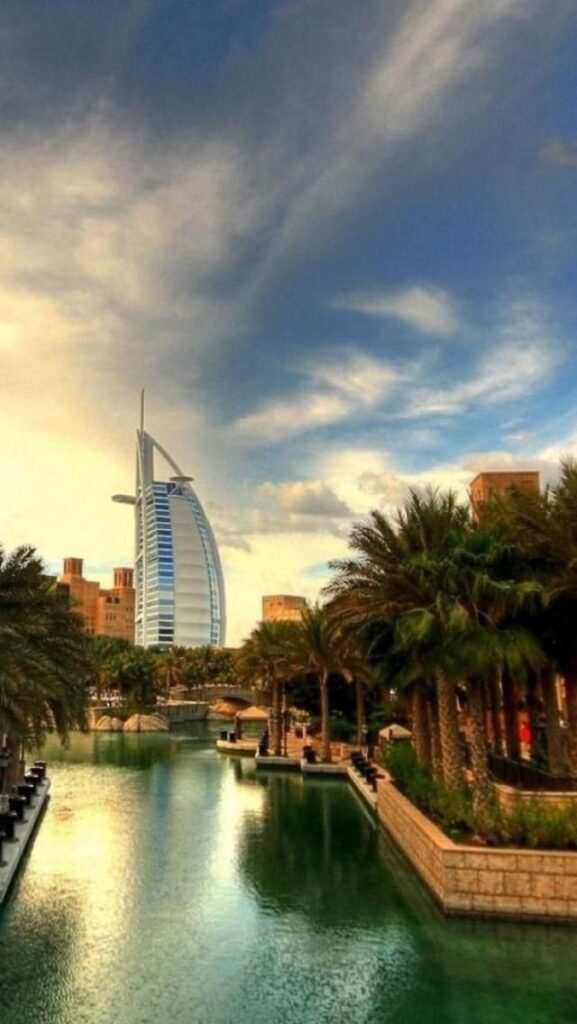
Urban development projects like Burj Al Arab, Palm Jumeirah, and the Burj Khalifa showcased Dubai’s ability to turn imagination into reality. These landmarks were not just architectural wonders; they symbolized Dubai’s global ambitions. Moreover, the establishment of free zones like Dubai Internet City and Dubai Media City attracted multinational companies, boosting investment and innovation.
3. The Modern Global Hub
Today, Dubai stands as a symbol of progress and prosperity. It is home to people from more than 200 nationalities, all contributing to the city’s multicultural environment. The government’s focus on tourism, technology, and green innovation continues to attract millions of visitors and investors each year.
Dubai’s world-class infrastructure—such as the Dubai Metro, Palm Islands, and Dubai Mall—has made it a global destination for leisure and business alike. It is a place where the desert meets the digital age, and where traditional Arab culture blends seamlessly with modern lifestyles.
4. Dubai Visa for Estonia Citizens
For travelers from Estonia, obtaining a Dubai Visa for Estonia Citizens is a straightforward process that allows easy access to one of the most exciting destinations in the world. Estonian citizens can apply for a tourist visa online, usually valid for 30 to 90 days, depending on travel needs. This simple system supports Dubai’s tourism industry by encouraging more European visitors to explore its rich attractions—from the glittering skyscrapers of Downtown Dubai to the traditional souks along the creek.
The visa process also reflects Dubai’s emphasis on convenience, technology, and global openness. By simplifying entry for travelers, Dubai strengthens its position as a bridge between Europe, Asia, and Africa.
5. Dubai Visa for Ethiopia Citizens
Similarly, visitors from Africa benefit from Dubai’s inclusive travel policies. The Dubai Visa for Ethiopia Citizens offers Ethiopian nationals the opportunity to experience Dubai’s modern lifestyle, diverse culture, and economic opportunities. Ethiopian citizens can apply online or through authorized agencies for a short-term tourist visa.
This openness to African travelers has helped Dubai enhance trade and tourism links with the African continent. Many Ethiopians also visit Dubai for business, education, and employment, making the city a key destination for both leisure and professional growth. The visa system reflects Dubai’s role as a global connector that welcomes everyone to share in its success story.
6. Theories Behind Dubai’s Growth
Dubai’s growth can be understood through the Modernization Theory, which suggests that societies progress from traditional to modern stages through industrialization, innovation, and education. Dubai’s leaders effectively applied these principles by investing in infrastructure, education, and global partnerships.
Another relevant idea is Globalization Theory, which explains how cities integrate into the world economy through trade, migration, and technology. Dubai’s airports, ports, and digital infrastructure have made it one of the most globally connected cities, linking East and West both physically and economically.
7. Real-Life Examples of Innovation
-
Burj Khalifa: Standing at 828 meters, it is the tallest building in the world and a symbol of human achievement.
-
Expo 2020 Dubai: This global event showcased sustainability, mobility, and innovation, attracting millions of visitors.
-
Masdar and Smart Dubai: These initiatives aim to make Dubai a leader in smart technology and renewable energy.
Each of these projects demonstrates how Dubai uses creativity and forward-thinking to solve real-world challenges.
8. Lessons from Dubai’s Journey
The making of Dubai teaches several key lessons:
-
Visionary leadership is essential for national progress.
-
Diversification ensures long-term economic stability.
-
Cultural openness fosters global collaboration.
-
Innovation and technology are the engines of modern growth.
These lessons make Dubai not just a city but an idea—a model for others aspiring to build sustainable, prosperous futures.
Conclusion: The City That Reaches for the Stars
From the tranquil waters of the creek to the heights of the cosmos, Dubai’s story is one of extraordinary transformation. It shows how determination, leadership, and a forward-looking mindset can turn a desert village into a world-class metropolis. Today, Dubai is more than just a destination—it is an inspiration for nations that dream big. As the city continues to innovate and evolve, its journey from sand to skyline reminds the world that the future belongs to those who dare to imagine it.
Frequently Asked Questions (FAQ)
Q1: What was Dubai like before oil was discovered?
Before oil, Dubai was a small trading port known for fishing and pearl diving, with most of its economy based on maritime trade.
Q2: Why is Dubai called the “City of the Future”?
Dubai earned this title due to its futuristic architecture, smart technologies, and ongoing investment in innovation and sustainability.
Q3: How can travelers from Estonia or Ethiopia apply for a Dubai visa?
Both Estonian and Ethiopian citizens can apply for a Dubai visa online through official UAE portals or approved agencies.
Q4: What makes Dubai’s growth different from other cities?
Dubai’s rapid rise is unique because it was achieved in a short time through clear vision, economic planning, and openness to global cultures.
regic