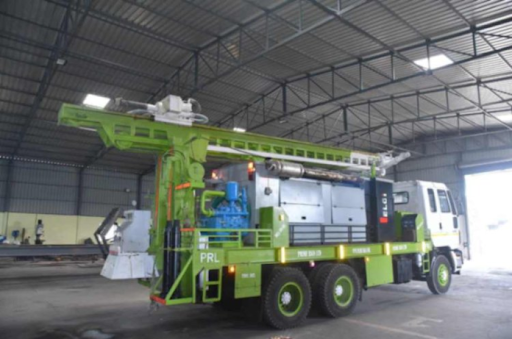
Selecting the right tools is essential for efficiency, safety, and precision in any industrial project. When it comes to drilling operations, investing in the best construction drilling equipment can make all the difference. High-quality drill bits not only enhance performance but also reduce wear and tear on machinery, minimize downtime, and ensure accurate results. Understanding the materials, design, and compatibility of drill bits is crucial for any industrial operation.
Understanding Drill Bit Materials
The material of a drill bit determines its durability, cutting efficiency, and application. Common industrial-grade materials include:
- High-Speed Steel (HSS): Durable and versatile, suitable for metal, wood, and plastic.
- Cobalt Steel: Excellent for drilling harder metals due to heat resistance.
- Carbide-Tipped Bits: Ideal for heavy-duty drilling in concrete and masonry, offering extended longevity.
- Titanium-Coated Bits: Reduce friction and improve lifespan, making them ideal for repetitive tasks.
Choosing the correct material based on the intended application ensures optimal performance and protects both the drill bit and the machinery.
Drill Bit Types and Their Uses
Different drilling tasks require specific types of bits to achieve precision and efficiency:
- Twist Bits: Most common for general-purpose metal and wood drilling.
- Masonry Bits: Designed for concrete, brick, and stone, often with a carbide tip for durability.
- Spade Bits: Efficient for rapid drilling of larger holes in wood.
- Forstner Bits: Offer clean, flat-bottomed holes, ideal for precision woodworking.
Understanding the purpose of each drill bit type prevents costly mistakes and ensures the job is completed safely and efficiently.
Factors to Consider When Choosing Drill Bits
Selecting the right drill bit goes beyond material and type. Consider the following factors for industrial use:
- Size and Diameter: Ensure compatibility with your drill and the specifications of the project.
- Coating and Finish: Coatings such as titanium or black oxide enhance performance and longevity.
- Drill Speed Compatibility: Match the bit with the operational speed of your construction drilling equipment to prevent overheating or breakage.
- Shank Design: Standard or reduced shanks impact stability and grip during heavy-duty tasks.
Incorporating these factors ensures the chosen drill bits perform optimally under industrial conditions.
Maintenance Tips for Drill Bits
Proper maintenance can extend the life of your drill bits and improve efficiency:
- Store in a dry, organized container to prevent damage.
- Sharpen bits regularly to maintain cutting efficiency.
- Avoid excessive pressure during drilling to prevent overheating and wear.
- Clean bits after use, especially when drilling into metal or masonry.
Maintaining high-quality drill bits reduces replacement costs and ensures consistent performance in demanding industrial environments.
Choosing Reliable Suppliers
Partnering with trusted drill bit manufacturers guarantees access to durable, precision-engineered products. Reputable suppliers provide specifications, material details, and guidance on the best drill bits for industrial applications, ensuring safety and operational efficiency.
If you are looking for reliable industrial drilling solutions, PRIME RIGS LIMITED is a leading provider of industrial drilling solutions. They specialize in supplying premium drill bits and construction drilling equipment tailored to diverse industrial needs. With a commitment to quality, durability, and customer satisfaction, PRIME RIGS LIMITED ensures businesses have reliable tools to achieve maximum efficiency and precision in their operations.