Understanding hair porosity is a crucial step in achieving healthy, vibrant hair. Hair porosity refers to the ability of your hair to absorb and retain moisture. Everyone’s hair has a unique porosity level, and knowing yours can significantly enhance your hair care routine. Whether you’re dealing with dryness, frizz, or breakage, understanding your hair’s porosity can help you choose the right products and techniques to maintain its health. In this article, we’ll break down everything you need to know about porosity hair, its impact on your hair care routine, and how to adapt your regimen for healthier hair.
What is Hair Porosity?
Porosity is determined by the structure of the hair cuticle, the outermost layer of the hair shaft. It directly influences how well your hair absorbs and holds moisture. The three main levels of porosity are low, medium, and high. Each level has its characteristics and requires different care.
Low Porosity Hair
Low porosity hair has a tightly bound cuticle layer, making it more resistant to moisture absorption. If you have low porosity hair, you may find that products tend to sit on top of your hair rather than being absorbed. While this can lead to less frizz and smoothness, it also means that your hair may feel dry or coated with product residue if not treated properly.
Medium Porosity Hair
Medium porosity hair is the most common type. It has a balanced cuticle layer that allows moisture to be absorbed and retained efficiently. This type of hair typically responds well to most hair products and treatments, providing a good balance of moisture without too much buildup or dryness.
High Porosity Hair
High porosity hair has gaps and holes in the cuticle layer, making it highly absorbent. While this can lead to fast moisture absorption, it also means that the hair is prone to losing moisture just as quickly. High porosity hair can often feel dry, frizzy, and brittle. It may require extra care and hydration to prevent damage.
How to Determine Your Hair Porosity
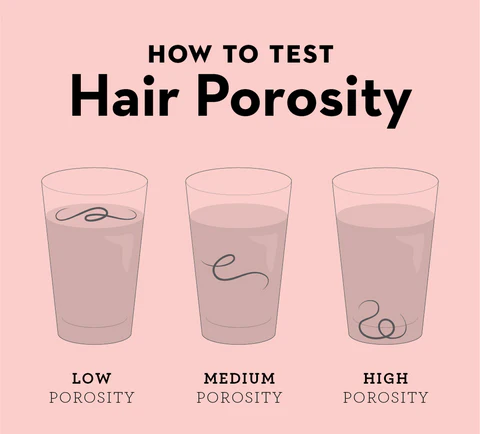
Determining your hair’s porosity is the first step in tailoring your hair care routine. There are several simple methods to assess your hair’s porosity level at home. The “water test” is one of the most common.
The Water Test
To perform the water test, take a few strands of clean, dry hair and place them in a glass of water.
-
Low porosity: If your hair floats on the surface, it likely has low porosity.
-
Medium porosity: If your hair sinks slowly, you have medium porosity.
-
High porosity: If your hair sinks quickly, it has high porosity.
This simple test will give you a basic understanding of your hair’s ability to absorb and retain moisture.
The Importance of Moisture Retention in Hair Care
Maintaining proper moisture balance is essential for healthy hair. Different porosity levels require different approaches to moisture retention. If you have low porosity hair, you may need to use heat or specific ingredients to help the product penetrate. Medium porosity hair requires less effort, as it naturally balances moisture intake and retention. For high porosity hair, locking in moisture becomes the top priority to prevent excessive dryness and breakage.
The right hair care routine tailored to your hair’s porosity can lead to improved hair texture, strength, and overall health. Let’s dive into the strategies for managing different porosity types to ensure your hair is always at its best.
Hair Care for Low Porosity Hair
Low porosity hair requires special care to ensure moisture is absorbed effectively. Here are a few tips:
Use Heat to Open the Cuticle
Since the cuticles of low porosity hair are tightly closed, using heat can help open them up and allow moisture to penetrate more effectively. Apply your conditioning treatments or oils, then cover your hair with a warm towel or use a heat cap for 15-20 minutes.
Opt for Lighter Products
Heavy creams and oils can sit on the surface of low porosity hair, weighing it down. Instead, look for lightweight, water-based products that are designed to penetrate and hydrate your hair without leaving residue.
Avoid Protein Overload
Low porosity hair is less likely to absorb protein treatments. While protein is essential for hair strength, using too much can lead to stiffness and breakage. Use protein treatments sparingly, and focus on moisture-based products to maintain balance.
Hair Care for Medium Porosity Hair
Medium porosity hair is relatively low-maintenance compared to the other types, but it still requires a bit of attention to keep it healthy.
Maintain a Balanced Routine
For medium porosity hair, aim for a balanced regimen that includes both moisture and protein. This ensures your hair remains strong without becoming overly dry or weighed down. A combination of moisturizing shampoos, conditioners, and treatments will work best.
Regular Trimming
To keep medium porosity hair in top shape, regular trims are essential. Cutting off damaged ends helps prevent breakage and keeps your hair looking fresh and healthy.
Hair Care for High Porosity Hair
If you have high porosity hair, you’re likely familiar with the struggle to retain moisture. However, with the right care, you can maintain a healthy moisture balance. Here’s how:
Use Rich, Moisturizing Products
High porosity hair thrives on rich, emollient products that provide intense moisture. Look for heavier creams, oils, and masks that will help seal in hydration. Natural oils like argan oil, coconut oil, or shea butter are excellent for high porosity hair.
Deep Condition Regularly
Deep conditioning treatments are essential for replenishing moisture in high porosity hair. Use a deep conditioner once a week to restore hydration and strengthen your hair.
Apply Leave-In Conditioners
Leave-in conditioners are great for high porosity hair as they provide ongoing moisture. Look for leave-in products with humectants like glycerin that draw moisture into your hair and help lock it in.
The Role of Health and Wellness in Hair Care
Achieving healthy, vibrant hair isn’t just about using the right products; it also involves focusing on overall health and wellness. A well-rounded approach to hair care includes taking care of your body inside and out. Hair growth and strength are directly affected by your overall well-being.
Nutrition
A balanced diet rich in vitamins and minerals, such as biotin, vitamin D, and iron, is essential for promoting hair health. Foods like eggs, nuts, leafy greens, and fish are particularly beneficial for strengthening hair.
Stress Management
Chronic stress can contribute to hair loss and poor hair health. Incorporating stress-reducing practices like yoga, meditation, or even regular exercise can have a positive impact on your hair’s appearance.
Hydration
Drinking enough water is another vital aspect of health and wellness that directly affects your hair. Proper hydration helps your hair retain moisture and prevents dryness.
Final Thoughts on Hair Porosity and Care
Understanding your hair’s porosity is the key to a successful hair care routine. Once you know your porosity level, you can make informed decisions about which products to use and how to best care for your hair. Whether you have low, medium, or high porosity hair, there are specific strategies that can help you maintain healthy, beautiful hair.
Remember that health and wellness go hand-in-hand with hair care. A holistic approach, focusing not only on your hair but also on your diet, hydration, and stress management, will provide the best results. With the right knowledge and practices, you can achieve healthier, stronger hair that radiates beauty.