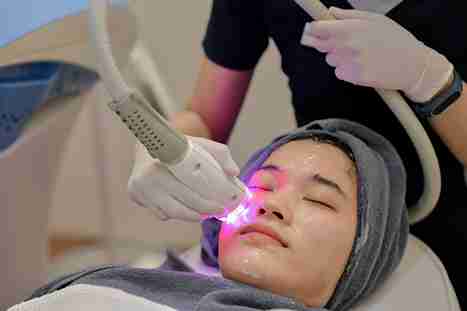
Hormonal changes strongly influence how the body behaves, often leading to unwanted hair growth that becomes thicker, denser or more visible during puberty, pregnancy, menopause or certain medical conditions. These shifts can feel sudden and frustrating, and traditional hair removal methods usually provide only short-term relief. Laser hair removal offers a more effective, long-lasting solution by targeting hormonally affected follicles at their source. By weakening growth activity over time, it helps manage persistent hair caused by hormonal imbalance. This overview explains why hormonal hair growth occurs, how laser treatment works and what individuals can expect when seeking smoother, more manageable skin.
Understanding Hormonal Hair Growth
Hormonal hair growth is different from typical growth patterns because the root cause lies within internal chemical fluctuations. The main hormones responsible are androgens, which stimulate hair follicles. When their levels change, follicles may become more active or more sensitive.
Common Hormonal Triggers
Several factors can contribute to unwanted or excessive hair growth:
- PCOS (Polycystic Ovary Syndrome) – A common condition that elevates androgen levels.
- Thyroid disorders – Both overactive and underactive thyroids can affect hair patterns.
- Pregnancy and postpartum changes – Drastic shifts in hormone production.
- Menopause – Reduced oestrogen allows androgen effects to become more noticeable.
- Stress-related hormone spikes – Increased cortisol can influence hair growth cycles.
How Hormonal Hair Growth Behaves
- Faster regrowth
- Thicker, darker strands
- Unpredictable pattern changes
- Occurs in areas typically associated with hormonal sensitivity, such as the chin, chest or stomach
Hormonal hair can be frustrating because it does not always respond well to conventional removal techniques. This is why people who regularly invest in professional beauty and aesthetic treatments such as teeth whitening Hillcrest often seek more advanced solutions to complement their appearance goals.
Why Traditional Hair Removal Falls Short
Although shaving, waxing and threading remain popular, they have significant limitations when tackling hormone-driven hair.
Limitations of Traditional Methods
- Short-lived results due to deeper follicle activation
- Increased irritation including ingrown hairs, redness and razor burn
- Higher maintenance with frequent appointments or daily shaving
- More discomfort caused by repeated pulling or friction
Traditional vs Laser: A Quick Comparison
| Method | Longevity | Best For | Comfort | Cost Over Time |
| Shaving | Days | Quick fixes | Moderate | Low but ongoing |
| Waxing | Weeks | Temporary smoothness | Painful | High long term |
| Threading | Weeks | Small facial areas | Moderate | Medium |
| Laser | Months–Years | Hormonal hair management | Mild | Cost-efficient |
Hormonal hair requires follicle-targeting solutions, which is why Laser Hair Removal in Hillcrest delivers lasting improvements in texture and confidence.
How Laser Hair Removal Works
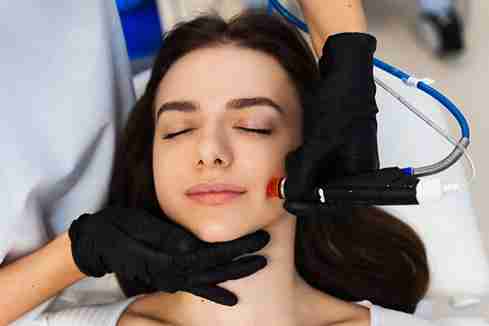
Laser hair removal uses targeted pulses of energy to disrupt the follicle’s ability to regrow hair. The light is absorbed by melanin (pigment), converted into heat and safely damages the follicle without affecting the surrounding skin.
Why Laser Works Particularly Well for Hormonal Hair
- Targets coarse, dense hair effectively
- Weakens follicles over multiple sessions
- Reduces the frequency of regrowth
- Encourages thinner, softer hair over time
Laser Types Used
Different lasers are suited to different skin tones and hair types:
- Diode – Deep penetration, effective for most skin types
- Alexandrite – Highly efficient for lighter skin
- Nd:YAG – Safest and most effective for deeper skin tones
This versatility ensures that a wide range of individuals can be treated safely and effectively.
Managing Hormonal Hair Growth with Laser Removal
Hormonal hair requires a slightly different approach than non-hormonal hair, primarily because regrowth can be persistent. A personalised plan is essential.
Realistic Expectations
Laser treatment provides long-term reduction, not instant removal. Progress occurs gradually as follicles become weaker.
Typical Treatment Plan
Most clients undergo 6–12 sessions, depending on:
- Hormonal condition
- Hair thickness
- Treatment area
- Skin tone
- Personal response to laser energy
Maintenance sessions may be recommended for individuals with ongoing hormonal fluctuations.
Benefits for Hormonal Clients
- Long-lasting smoothness
- Reduced ingrown hairs
- Softer regrowth
- Enhanced confidence
- Easier grooming routines
Thanks to these benefits, many people who pursue aesthetic additions such as Teeth Whitening Hillcrest often find that combining treatments enhances their overall sense of wellbeing.
Who Is an Ideal Candidate?
Laser hair removal is highly effective for many people, but suitability varies depending on hormonal status and health.
Ideal Candidates
- PCOS patients
- Individuals with thyroid-related hair changes
- Women experiencing menopausal hair increase
- Post-pregnancy hair growth changes (after medical clearance)
Who Should Delay Treatment
- Pregnant individuals
- Those taking photosensitive medications
- People with active skin infections
A thorough consultation ensures that every client receives safe and customised care.
Preparing for Laser Treatment
Preparation helps improve comfort and results.
Before Your Appointment
- Avoid sun exposure and tanning products
- Stop waxing, threading or plucking
- Shave 24 hours before treatment
- Avoid harsh skincare products
Pre-Treatment Checklist
- Do hydrate your skin
- Do follow shaving guidelines
- Don’t bleach hair
- Don’t use retinol or acids on the treatment area
Aftercare for Hormonal Hair Laser Treatments
Proper aftercare ensures the best long-term outcomes.
Aftercare Tips
- Avoid hot showers, saunas, or heavy exercise for 24–48 hours
- Apply aloe vera or cooling gel
- Use SPF daily on treated areas
- Gently exfoliate after a few days to prevent ingrown hairs
Maintaining Results With Hormonal Changes
- Schedule maintenance sessions
- Monitor hormonal health with your GP
- Maintain healthy lifestyle habits
People already investing in advanced aesthetic services such as Laser Hair Removal in Hillcrest often find aftercare easy to incorporate into their routine due to its minimal downtime and long-term benefits.
Why Choose a Specialist Clinic?
Laser hair removal is highly effective when performed by experienced practitioners using medical-grade equipment.
Advantages of a Specialist Clinic
- Safe, custom treatment settings
- Accurate skin and hair assessment
- Use of appropriate laser type
- Monitoring of hormonal patterns
- Professional aftercare support
A skilled practitioner makes all the difference, particularly for individuals managing ongoing hormonal imbalance.
Conclusion
Hormonal hair growth can be frustrating, unpredictable and challenging to control with traditional methods. Laser hair removal offers a targeted, effective and long-lasting solution that complements both health and aesthetic goals. With the ability to weaken follicles, reduce regrowth and improve comfort, it has become one of the most reliable options for those affected by hormonal fluctuations. Whether undergoing treatment to simplify a grooming routine or to restore confidence, patients can rely on the expertise and support provided by Hillcrest to guide them through a safe and effective hair removal journey.