In today’s interconnected financial markets, traders are no longer limited to individual stocks or local exchanges. Instead, they increasingly turn to index-based trading to gain exposure to entire economies, sectors, or regions through a single instrument. At the centre of this ecosystem is the most reliable indices broker, acting as a bridge between global market indices and traders seeking efficiency, transparency, and informed decision-making.
Indices brokers simplify access to complex financial markets by combining technology, market data, analytical tools, and execution infrastructure. Their role goes far beyond order placement. They help traders understand market behaviour, manage risk, and participate in global trends with clarity and confidence.
Understanding Market Indices and Why They Matter
Market indices measure the collective performance of a group of stocks selected based on specific criteria such as geography, sector, or market capitalisation. Examples include the S&P 500, NASDAQ 100, FTSE 100, DAX 40, and Nikkei 225. Rather than tracking individual company performance, indices reflect broader market sentiment and economic health.
Because indices aggregate data from multiple companies, they offer a clearer picture of market direction. Rising indices often indicate economic optimism, while falling indices may signal uncertainty or slowing growth. This makes indices valuable tools for traders who want to align strategies with macroeconomic trends rather than company-specific events.
The Role of Indices Brokers in Modern Trading
Indices brokers play a crucial role in transforming raw market data into actionable trading opportunities. They provide platforms that allow traders to analyse, execute, and manage index-based trades efficiently.
Their core responsibilities include:
- Providing access to global indices through a single trading platform.
- Delivering real-time price data and historical performance insights.
- Offering analytical tools for technical and fundamental analysis.
- Ensuring efficient trade execution and transparent pricing.
- Supporting risk management through built-in controls.
Without this infrastructure, trading indices across global markets would be significantly more complex and inaccessible for most participants.
Centralised Access to Global Markets
One of the key advantages of working with the most reliable indices broker is centralised market access. Instead of monitoring multiple exchanges, traders can view and trade indices from North America, Europe, Asia, and emerging markets through a unified interface.
This consolidated view allows traders to:
- Compare performance across regions.
- Identify correlations between global markets.
- Respond quickly to geopolitical or economic developments.
- Monitor market sentiment during overlapping trading sessions.
By simplifying access, brokers reduce information overload and help traders focus on strategy rather than logistics.
Advanced Charting and Technical Analysis Tools
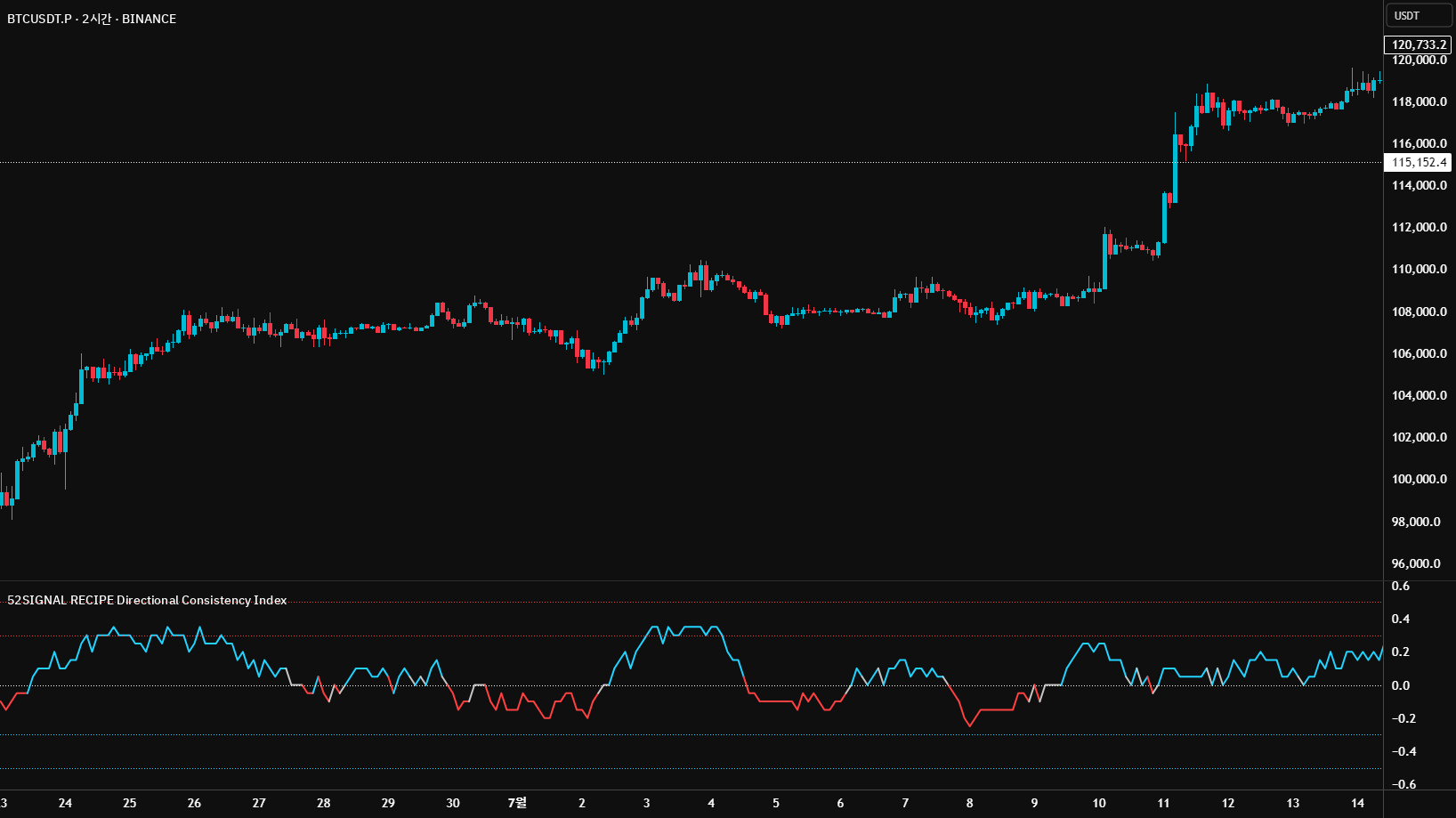
Effective indices trading relies heavily on analysis. Modern brokers equip their platforms with advanced charting tools that allow traders to interpret price movements visually and objectively.
Common features include:
- Multiple chart types and timeframes.
- Technical indicators such as moving averages, RSI, MACD, and Bollinger Bands.
- Drawing tools for trendlines, support, and resistance levels.
- Customisable layouts for different trading strategies.
These tools support both short-term and long-term approaches, enabling traders to adapt strategies based on market conditions rather than speculation.
Integrating Fundamental Market Insights
Indices are closely tied to macroeconomic performance, making fundamental analysis especially important. Indices brokers integrate economic calendars, news feeds, and key indicators directly into their platforms.
This allows traders to track:
- Interest rate decisions by central banks.
- Inflation, employment, and GDP data.
- Corporate earnings trends affecting index components.
- Global events influencing market sentiment.
By combining technical and fundamental insights, traders gain a more complete understanding of why markets move, not just how they move.
Risk Management and Trade Control Mechanisms
Indices trading can involve significant volatility, particularly during major news events or market openings. Brokers address this by offering robust risk management tools that help traders protect capital.
These typically include:
- Stop-loss and take-profit orders.
- Margin and exposure monitoring.
- Position sizing tools.
- Real-time alerts for price movements.
By automating risk controls, brokers help reduce emotional decision-making and encourage disciplined trading behaviour.
Flexible Market Access Through Derivatives
Most indices are traded through derivative instruments such as CFDs, futures, or options. These instruments allow traders to speculate on index movements without owning the underlying stocks.
Indices brokers simplify derivative trading by clearly presenting:
- Contract specifications.
- Margin requirements.
- Leverage options.
- Pricing structures.
This transparency ensures traders understand both the opportunities and risks involved before entering a position, supporting more informed participation.
Education and Continuous Market Awareness
Well-established brokers recognise that informed traders are more sustainable traders. As a result, many platforms include educational resources designed to improve market understanding over time.
These may include:
- Learning modules explaining how indices work.
- Webinars and expert commentary.
- Strategy guides tailored to indices trading.
- Ongoing market analysis and insights.
By combining education with real-time trading, brokers help traders refine strategies and adapt to evolving market conditions.
Portfolio Diversification Through Indices Trading
Indices offer built-in diversification by spreading exposure across multiple companies and sectors. Brokers support this by providing access to a wide range of indices, allowing traders to balance portfolios more effectively.
Through index-based strategies, traders can:
- Reduce reliance on individual stock performance.
- Adjust exposure based on economic cycles.
- Combine regional and sector indices for balance.
- Align portfolios with long-term market trends.
This strategic flexibility is particularly valuable for traders focused on consistency rather than short-term speculation.
Transparency and Execution Quality
Trust in indices trading depends heavily on transparency and execution reliability. Leading brokers prioritise clear pricing structures, detailed contract information, and consistent execution standards.
Fast and stable execution reduces slippage, especially during volatile market conditions. Transparent spreads and margin requirements help traders assess costs accurately before placing trades. Together, these factors contribute to a trading environment built on confidence and clarity.
Midway through a trader’s journey, working with the most reliable indices broker often becomes less about access alone and more about execution quality, data accuracy, and platform stability.
Conclusion: Informed Trading Through Trusted Indices Brokers
Indices brokers have become essential partners for traders navigating global financial markets. By combining technology, data, risk controls, and education, they simplify access to complex indices and support informed, structured decision-making. Within the UAE’s regulated trading ecosystem, play a vital role in connecting regional traders to global markets while maintaining transparency and compliance.
In the UAE market, traders often seek brokers that balance local regulatory standards with access to international indices and modern trading technology. ANAX Capital reflects this approach by offering technology-driven platforms, market insights, and regulatory alignment that support responsible indices trading. Rather than focusing on speculation, ANAX Capital emphasises informed participation, structured analysis, and clarity, helping traders engage with global indices markets in a disciplined and confident manner.