In today’s busy world of industry and manufacturing, the core of the modern industry is not always immediately visible from the outside. This is where the crucial player of the industry world comes in, the industrial shed itself. In this guide, we’ll explore how modern factory shed design by a factory shed manufacturer drives efficiency across production environments.
Rethinking Space: Layout that Works with Your Workflow
Efficient production is about a smooth workflow. In the modern design of a factory shed, emphasis is given to an open space without obstruction, which allows for easy movement of materials, machinery, and people. Traditional buildings with internal columns or in maze-like construction often make workers and equipment negotiate awkward paths, slowing processes down.
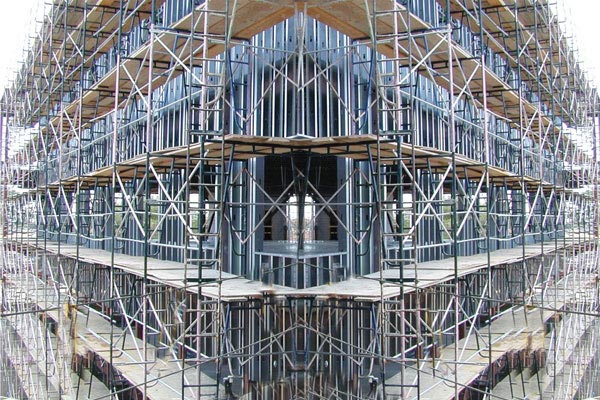
Conversely, modern designs, especially in pre-engineered metal building systems, make use of engineered steel frames, allowing for large clear spans, meaning fewer columns and maximum usable interior space. This freedom makes logical layout planning for assembly lines, storage zones, and transport paths much easier to achieve, therefore minimising wasted movement and supporting operational flow.
Speed of Construction: Faster Setup- Faster Operations
One of the greatest advantages that a factory shed manufacturer would boast is the speed at which construction can happen. This can be done through the utilisation of pre engineered metal building systems, where specific components can be designed to precise specifications in an environment that is controlled. Such an approach can reduce construction time greatly.
On one hand, the speed provides efficiency in two areas: one is reduced disruption to your business, which is most helpful when moving to a new place; and the other is sooner production, considering some businesses have a very small time for production and a delayed launch can mean losing millions of dollars.
Precision and Quality: Built Right the First Time
Efficiency isn’t just about speed; it’s about doing things right. Off-site fabrication ensures that every piece of a pre-engineered shed meets exact quality standards. The stringent approach minimises errors that can arise with on-site construction due to variables that include bad weather, uneven ground, or poor craftsmanship.
Such factory-controlled manufacturing further reduces material waste in the precision fitting of beams, panels, and trusses. Less waste means reduced costs, but beyond finances, it reflects a more sustainable and resource-efficient approach to construction.
Temperature, Ventilation, and Worker Comfort
Productive facilities not only simplify the placement of machinery but can also enhance the people working on the machine itself. Bad ventilation in the facility can impact the performance of the workers; hence, adequate ventilation can be achieved in the modern sheds through the installation of ventilation systems in the roof.
The insulation maintains the workers’ comfort and maintains the interior temperatures steady. One of the benefits is reduced dependence on HVAC equipment. It thus reduces electricity bills and makes the facility comfortable.
Flexibility and Future Proofing
Industrial demands change rapidly. A layout that is appropriate at current levels may become restrictive a few years from now. That’s where the flexibility in design provided by high-tech sheds can provide significant value. Structures that have been designed with components that are easily assembled and connected, as with a pre-engineered plan, are often able to grow and change to meet emerging demands, by either building or re-designating areas.
This flexibility translates into support of efficiency on an enduring basis rather than on a fleeting one. It can be done rather than having to invest in brand-new construction when there is a change in production requirements.
Durability and Long-Term Operational Efficiency
A productive facility should be reliable as well. Steel structures are common elements of modern shed configurations; the principal characteristic of these being maximal strength and durability. Engineered metal configurations will not warp or corrode over time in the same way as some materials. Additionally, they are more resistant to inclement weather; an attribute necessary in environments where rainfall, wind, or heat are common.
That means two things: less degradation and consequently fewer repairs or shutdowns. That is a fairly constant and predictable operation.
Sustainability: Efficiency Beyond Production
In the modern business context, efficiency isn’t just about output and cost; it’s about environmental stewardship. Steel, the basis upon which the structure of any current world shed seems to be based, is not only easily recyclable but can also be made with recycled content. Moreover, parts are precision-engineered, meaning that current world sheds are more efficient than conventional buildings.
A decrease in a facility’s impact on the environment aligns with numerous companies’ attempts to be more environmentally friendly and also presents an opportunity to increase brand perception in front of consumers and investors.
Conclusion
Modern factory shed design aims at enhancing operational efficiency through features such as clear-span layout, precision components, enhanced ventilation, and flexibility for future growth. These elements provide a workplace that is safe, affordable, and productive. A well-designed structure makes quite a big difference in construction and subsequent business success.
Cooperation with a reliable factory shed manufacturer, such as MAK Building, can provide decent solutions and support your production goals by combining thoughtful design with quality manufacturing for upgrades or new facilities.