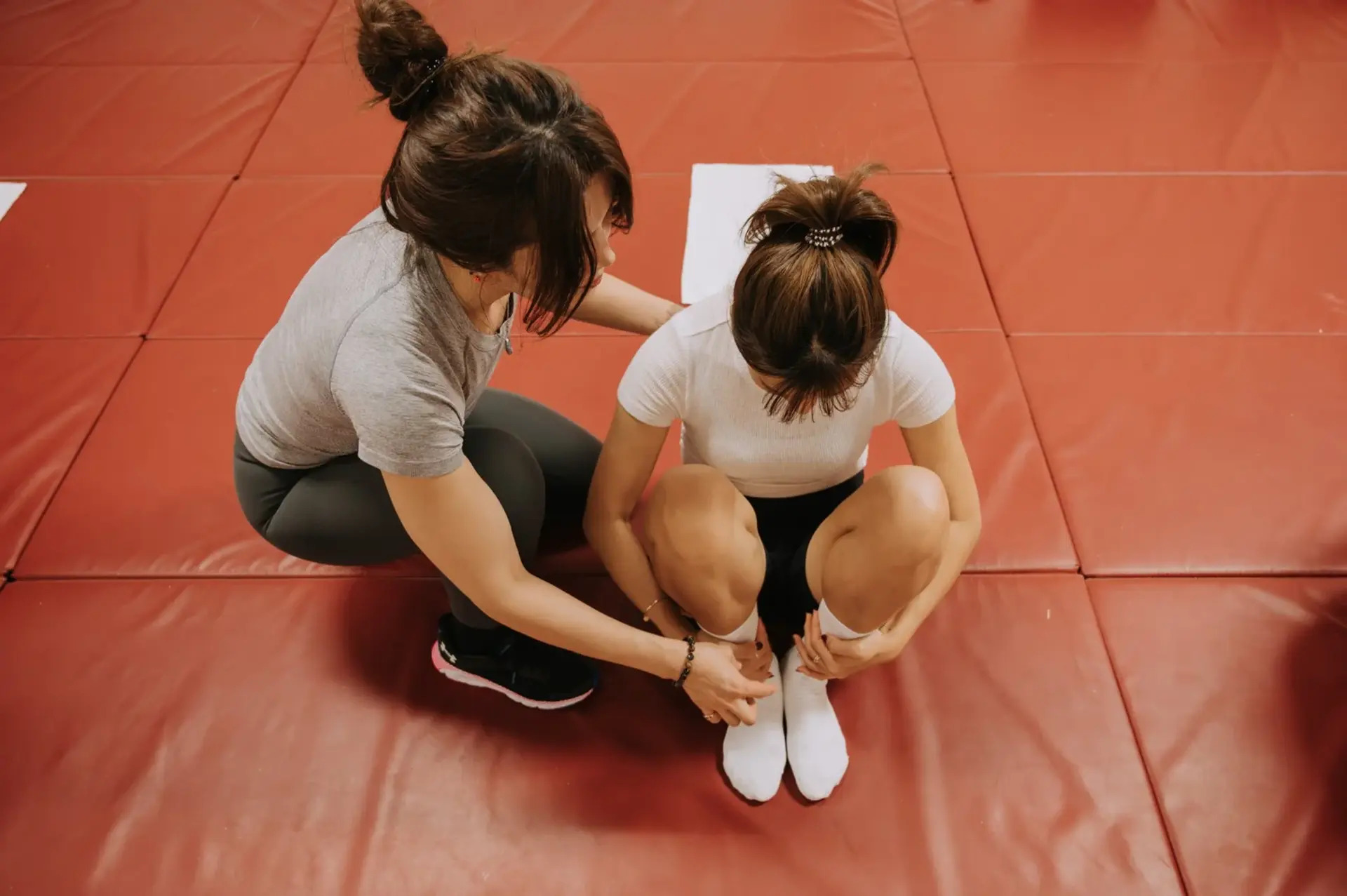
Pilates, a mind-body exercise system developed by Joseph Pilates, has grown considerably in popularity across the United States over the past few decades. Its focus on core strength, flexibility, posture, and controlled breathing makes it a favorite for people from all walks of life—from professional athletes and dancers to seniors and individuals recovering from injuries. As the demand for Pilates grows, so too does the need for highly trained, knowledgeable instructors. This is where specialized training comes into play. A pilates instructor who has undergone advanced and focused education can deliver more effective sessions, address a broader range of client needs, and foster lasting transformations in clients’ health and wellness.
This article explores how specialized training elevates Pilates instruction by enhancing teaching techniques, deepening anatomical knowledge, and improving client outcomes. Whether you’re a certified instructor seeking to expand your expertise or someone curious about the differences between instructors, understanding the role of specialized training is crucial.
Key Points
- Specialized training provides instructors with in-depth knowledge of anatomy and biomechanics.
- Advanced certifications allow instructors to tailor sessions to various populations, including those with injuries, chronic conditions, or athletic goals.
- Continuing education fosters professional growth, credibility, and client trust.
- Specialty training helps instructors stay current with evolving Pilates methods and scientific research.
The Foundation of Pilates Instruction
All certified Pilates instructors begin with a foundational teacher training program. These programs typically include coursework in classical and contemporary Pilates exercises, instructional methodology, and basic anatomy. While foundational training is essential, it often serves as a starting point. To truly excel in teaching and address a diverse range of client needs, instructors need to pursue additional education in specialized areas.
Basic Certification vs. Specialized Training
Basic certification equips instructors to teach group classes and private sessions, but it may not offer the depth required to handle clients with complex needs or specific goals. Specialized training, on the other hand, focuses on deepening knowledge in areas such as rehabilitation, pre- and postnatal Pilates, scoliosis management, Pilates for athletes, and more. This enables instructors to work more confidently and competently across various client populations.
The Role of Anatomy and Biomechanics
One of the key components of specialized Pilates training is a more comprehensive study of human anatomy and biomechanics. Understanding how muscles, joints, and connective tissues work together allows instructors to design safe and effective programs for different body types and conditions.
- Injury Prevention: Knowledge of biomechanics helps instructors modify exercises to prevent strain or injury.
- Rehabilitation: Instructors trained in movement science can work alongside physical therapists to support clients recovering from surgeries or injuries.
- Postural Correction: Detailed anatomical training enables instructors to identify and address postural imbalances.
For example, an instructor with specialized training in spinal health can recognize subtle signs of scoliosis or kyphosis and tailor exercises accordingly to support spinal alignment and muscle balance.
Customization for Special Populations
One of the most significant benefits of specialized training is the ability to customize sessions for unique populations. People come to Pilates for a variety of reasons—pain management, athletic performance, pregnancy, or stress relief. Each of these goals demands different instructional approaches and program designs.
Pilates for Rehabilitation
Specialized rehabilitation training allows instructors to work with individuals recovering from injuries or surgeries. These clients often require modified movements and careful observation. Instructors trained in this area can ensure that exercises support healing rather than exacerbate issues.
Pre- and Postnatal Pilates
Pilates is widely recommended for pregnant individuals because of its emphasis on core stability and breath control. However, teaching pregnant clients requires a solid understanding of the physiological changes during pregnancy. Specialized training in this area prepares instructors to modify exercises safely and effectively throughout all trimesters and into postpartum recovery.
Pilates for Seniors
Older adults may deal with balance, strength, and mobility limitations. Specialized training in senior fitness equips instructors with strategies to increase safety, build confidence, and improve quality of life for aging clients.
Advanced Equipment Training
While mat Pilates is accessible and effective, Pilates equipment like the Reformer, Cadillac, Chair, and Ladder Barrel offer enhanced resistance and support. Specialized training teaches instructors how to use these apparatuses effectively and safely. It also allows for greater versatility in customizing workouts for individual needs.
Advanced equipment training can include:
- Rehabilitation protocols using spring tension for controlled resistance.
- Dynamic strengthening exercises using the Jumpboard or Trapeze Table.
- Balance and coordination drills on the Wunda Chair.
Continuing Education and Staying Current
Pilates, like any field of health and wellness, is constantly evolving. New research in movement science, sports medicine, and rehabilitation continually informs best practices. Instructors who engage in continuing education are able to integrate the latest findings into their sessions, providing clients with up-to-date, evidence-based instruction.
Certifications and Workshops
Numerous organizations offer advanced certifications and workshops covering topics like fascia release, pelvic floor health, scoliosis, and neurological conditions. These programs not only expand an instructor’s toolkit but also boost credibility and client trust.
Benefits of Staying Informed
- Enhances teaching effectiveness.
- Allows for better client outcomes.
- Helps maintain professional certification and liability insurance.
- Builds a sense of community and collaboration among instructors.
Improved Client Outcomes and Retention
Instructors who receive specialized training often see better client outcomes. Whether it’s helping someone manage chronic back pain or preparing a dancer for competition, tailored instruction leads to noticeable results. These outcomes not only improve clients’ quality of life but also enhance client satisfaction and retention.
Clients are more likely to stay committed when they feel their instructor understands their specific needs and is qualified to help them achieve their goals. This deep level of trust and personalization is often what sets specialized instructors apart.
Case Studies and Real-Life Applications
Case Study 1: Post-Rehabilitation Success
Marissa, a Pilates instructor with specialized training in injury rehabilitation, began working with a client recovering from shoulder surgery. By using her knowledge of post-operative healing and shoulder biomechanics, she was able to design a progressive plan that restored range of motion and strength. Her client not only regained full function but also avoided re-injury.
Case Study 2: Pre/Postnatal Program
Samantha completed a specialized course in pre- and postnatal Pilates. As a result, she was able to safely guide her pregnant client through all three trimesters, adapting routines to accommodate physical changes. Postpartum, the client credited Pilates with helping her regain core strength and manage stress during early motherhood.
Case Study 3: Athletic Performance
Nick, a former collegiate athlete and now a Pilates instructor, pursued specialty education in sports performance. His sessions with a marathon runner focused on hip mobility, core endurance, and breath work. The client reported improved race times and fewer injuries during training seasons.
How to Identify a Specialized Instructor
With so many instructors available, it can be challenging for clients to know who has advanced training. Here are some tips for identifying a highly qualified Pilates instructor:
- Ask about certifications beyond the foundational level.
- Look for specialties listed on their website or business profile.
- Inquire about continuing education and workshops attended recently.
- Seek testimonials or referrals from clients with similar goals.
Conclusion
Specialized training is vital for Pilates instructors aiming to provide personalized, effective, and safe instruction. It not only deepens the instructor’s understanding of the human body and movement but also broadens their ability to serve diverse populations. As Pilates continues to evolve and grow in popularity, the role of ongoing education becomes more important than ever. Whether you’re a client looking for a knowledgeable instructor or a teacher aiming to enhance your practice, investing in specialized training is a key step toward excellence in Pilates instruction.
FAQ
What is the difference between a certified and specialized Pilates instructor?
A certified instructor has completed foundational training in Pilates methodology. A specialized instructor has pursued additional education in niche areas like rehabilitation, pre/postnatal, or athletic performance, allowing them to tailor sessions more effectively.
Do I need a specialized instructor for general fitness?
Not necessarily. A well-trained certified instructor can meet general fitness needs. However, a specialized instructor may offer more targeted programs and modifications, especially if you have specific goals or physical concerns.
How can I verify an instructor’s qualifications?
You can ask to see their certifications or search for them on the websites of recognized Pilates certification bodies. Many instructors also list their qualifications on their personal or studio websites.
Is specialized Pilates instruction more expensive?
It can be, depending on the instructor’s experience and expertise. However, the value often justifies the cost due to the personalized and advanced nature of the instruction.
Can specialized instructors help with chronic pain?
Yes. Instructors with training in therapeutic Pilates or rehabilitation can develop programs that support pain management and improve function, often in consultation with healthcare providers.