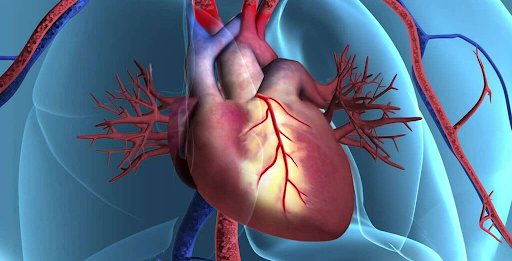
A heart attack is a life-threatening event that requires immediate attention. Delays in treatment can lead to irreversible heart damage, increasing the risk of chronic conditions such as heart failure or arrhythmias. Timely surgery for heart attack is critical not only for survival but also for preserving heart function and preventing future complications. Modern cardiac care emphasizes rapid diagnosis, risk assessment, and intervention to minimize tissue damage and maintain the heart’s structural integrity.
Early surgical intervention can dramatically improve outcomes, reducing long-term morbidity and enhancing the quality of life. It combines emergency procedures with a carefully monitored post-surgical plan, ensuring that patients recover safely while minimizing the risk of future cardiac events. This approach addresses both immediate threats and long-term heart health.
Emergency Surgical Interventions: Saving Lives and Heart Function
- Coronary Artery Bypass Grafting (CABG):
CABG reroutes blood around blocked or narrowed coronary arteries, restoring adequate blood flow to the heart. This reduces the risk of permanent heart muscle damage caused by oxygen deprivation. Timely intervention preserves cardiac function and supports long-term heart health.
- Angioplasty and Stenting:
Angioplasty opens blocked arteries using a balloon, often followed by a stent to keep the vessel unobstructed. This procedure quickly restores oxygen-rich blood to affected heart tissue. By minimizing permanent damage, it significantly improves recovery and reduces future cardiac risks.
- Immediate Risk Reduction:
Rapid surgical intervention after a heart attack stabilizes the heart’s electrical activity, reducing the likelihood of dangerous arrhythmias. It also lowers the risk of recurrent attacks and sudden cardiac events. Early treatment is key to preventing life-threatening complications.
- Preservation of Cardiac Output:
Prompt surgery ensures that the heart maintains its pumping efficiency, supplying oxygenated blood to vital organs. Preventing further weakening of the heart muscle supports long-term cardiac performance. Sustained cardiac output is crucial for both recovery and ongoing heart longevity.
Heart Failure Procedures: Mitigating Chronic Risks
- Ventricular Assist Devices (VADs):
VADs provide mechanical support to hearts that are too weak to pump blood effectively on their own. They maintain adequate circulation, ensuring vital organs receive sufficient oxygen. By supporting cardiac function, VADs reduce the progression of heart failure and improve long-term outcomes.
- Implantable Cardioverter-Defibrillators (ICDs):
ICDs continuously monitor the heart’s rhythm and deliver corrective electrical shocks if dangerous arrhythmias occur. This prevents sudden cardiac arrest, which is a common risk after a heart attack. ICDs offer patients peace of mind and enhance survival rates in high-risk individuals.
- Surgical Remodeling of Heart Chambers:
Heart failure procedures reshape enlarged or damaged ventricles to restore normal heart geometry and improve pumping efficiency. By correcting structural abnormalities, it reduces stress on the heart and prevents further deterioration. Surgical remodeling supports both short-term recovery and long-term cardiac health.
- Customized Treatment Plans:
Individualized care combines surgical interventions with targeted medications, lifestyle guidance, and rehabilitation programs. Tailored plans address each patient’s unique cardiac condition and risk factors. This comprehensive approach strengthens heart function, minimizes complications, and reduces hospital readmissions.
Preventing Heart Valve-Related Complications
- Restoring Valve Efficiency:
Damaged or weakened heart valves can compromise blood flow and increase stress on the heart after a heart attack. Heart valve replacement restores proper circulation and ensures the heart functions efficiently. This intervention reduces long-term cardiac strain and lowers the risk of complications like heart failure.
- Minimally Invasive Procedures:
Using smaller incisions and precise surgical techniques, minimally invasive valve procedures reduce trauma to surrounding tissues. Patients experience faster recovery times and less post-operative discomfort. These approaches also lower the risk of infection and other surgical complications.
- Long-Term Monitoring:
Regular post-surgery checkups and imaging allow early detection of potential valve issues before they progress. Continuous monitoring ensures timely medical or surgical adjustments if needed. This proactive approach protects patients from severe cardiac problems over time.
- Integration with Comprehensive Care:
Heart valve interventions are most effective when combined with lifestyle guidance, medications, and rehabilitation programs. Coordinated care ensures the heart maintains optimal function and reduces stress on other cardiovascular systems. This holistic approach minimizes future cardiac risks and supports long-term wellness.
Long-Term Benefits of Timely Surgery
- Reduced Recurrence of Heart Attacks:
Early surgical intervention resolves blocked arteries and addresses structural heart issues before they worsen. This proactive approach significantly lowers the likelihood of future heart attacks. By stabilizing the heart, patients experience improved long-term cardiac safety and reduced emergency risks.
- Faster Recovery and Better Quality of Life:
Timely surgery allows patients to regain physical strength and resume daily activities more quickly. It reduces persistent symptoms such as fatigue or shortness of breath. Faster recovery enhances overall well-being and supports a return to normal life routines.
- Minimized Medication Dependence:
Correcting heart structures and blood flow early can reduce the reliance on long-term, high-risk medications. This lowers the risk of side effects and improves adherence to essential therapies. Patients benefit from more sustainable, simplified post-operative care.
- Improved Mental and Emotional Health:
Knowing that effective surgical action has been taken provides reassurance and reduces stress for patients and their families. Confidence in the treatment plan promotes emotional stability during recovery. Positive mental health supports better physical healing and long-term heart care.
Conclusion:
Prompt surgical intervention following a surgery for heart attack is pivotal in preventing future cardiac complications. Procedures such as CABG, minimally invasive valve replacement, and advanced procedures not only save lives but also preserve long-term heart function. Combined with vigilant monitoring, structured rehabilitation, and lifestyle adjustments, these interventions significantly reduce the risk of recurrent attacks and chronic heart conditions. Patients who understand the importance of early surgery and follow a comprehensive care plan enjoy better survival rates, improved cardiac efficiency, and enhanced quality of life.
Patients recovering from heart attack surgery benefit from the specialized care of Dr. Udgeath Dhir, who provides professional guidance and tailored cardiac support throughout the recovery process. This holistic approach restores heart function, mitigates post-surgical risks, and promotes sustained cardiovascular health.