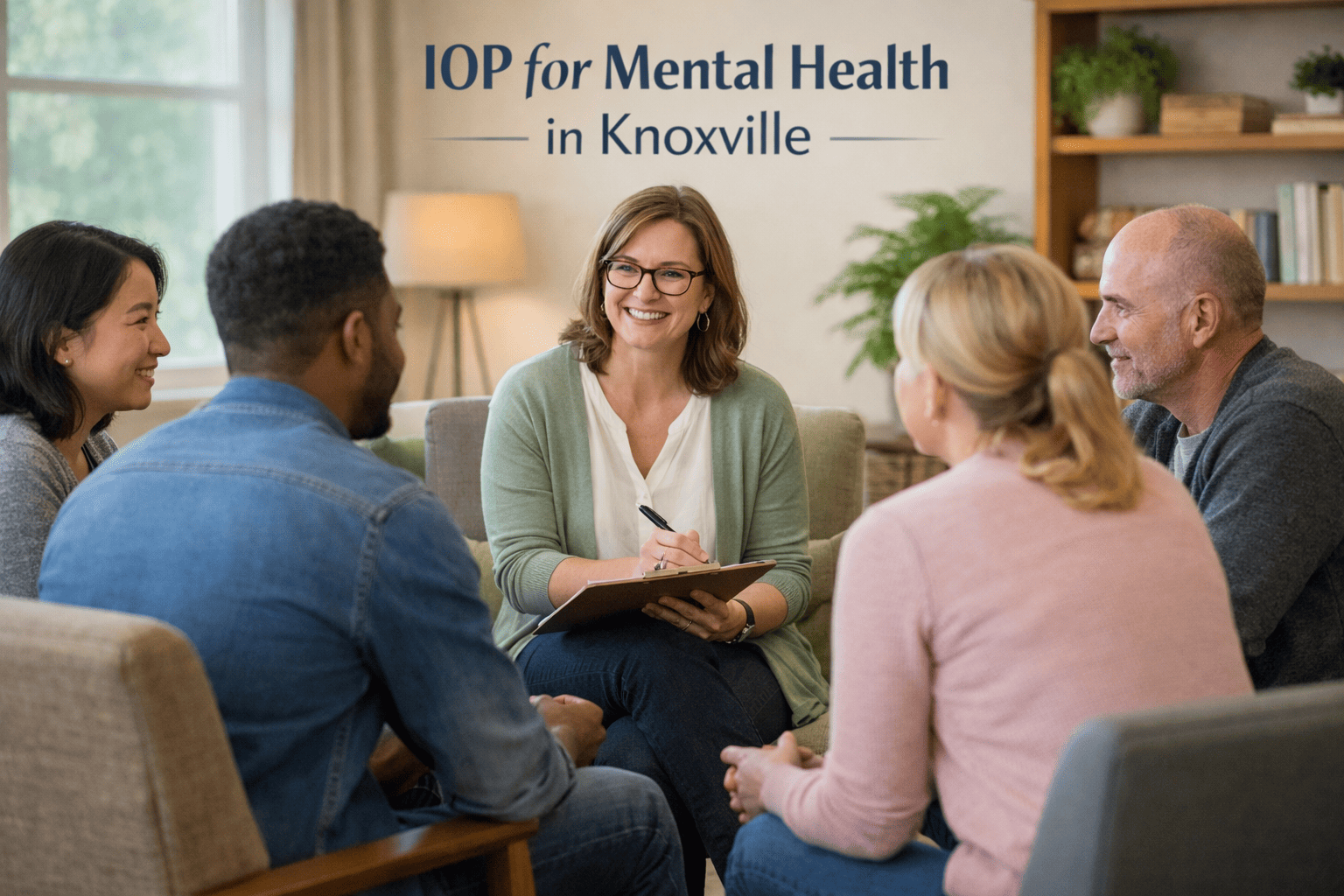
Finding the right mental health program can feel overwhelming, but choosing an IOP for mental health in Knoxville doesn’t have to be confusing. Intensive Outpatient Programs (IOPs) offer structured therapy while allowing you to continue daily life. The key is finding a program that fits your needs, schedule, and personal comfort.
This guide will walk you through what to look for, what questions to ask, and how to feel confident in your decision. By the end, you’ll have a clear roadmap for selecting the IOP that works best for you or a loved one.
Understand What an IOP Actually Is
Before you start searching, it’s important to know what an IOP for mental health in Knoxville offers. Unlike inpatient treatment, which requires a full-time stay, IOPs allow participants to live at home while attending therapy sessions multiple times a week.
These programs usually include individual therapy, group counseling, skill-building workshops, and sometimes family support.
The focus is on intensive care without disrupting everyday life, making it a flexible option for people who have work, school, or family commitments.
Identify Your Specific Needs
No two people experience mental health challenges in the same way. Some may struggle with anxiety, depression, or trauma, while others may have co-occurring disorders like substance use combined with mental health concerns. Make a list of your symptoms, goals, and priorities before exploring programs.
Knowing your needs helps you choose an IOP that offers specialized therapies or services that align with your situation, which can make your recovery faster and more effective.
Check Credentials and Licenses
The next step is to research the program’s credentials. A reputable IOP should be run by licensed mental health professionals, such as psychologists, therapists, or clinical social workers. Accreditation from recognized mental health organizations adds credibility and ensures the program meets certain quality standards. Don’t hesitate to ask the program about the qualifications of its staff and the methods they use. Feeling confident about the team behind your care is crucial for your peace of mind.
Look at Therapy Options
Different programs offer different types of therapy. Some focus on Cognitive Behavioral Therapy (CBT), others on Dialectical Behavior Therapy (DBT), trauma-informed care, or holistic approaches like mindfulness and art therapy. Ask which methods are used and how flexible the program is in tailoring therapy to individual needs. The right therapeutic approach can make a huge difference in how comfortable and engaged you feel, and ultimately, in how successful your progress will be.
Consider Schedule and Flexibility
Life doesn’t pause for mental health, so scheduling matters. IOPs usually require a set number of sessions per week, often three to five, and each session can last two to three hours. Make sure the program’s schedule aligns with your commitments. Some programs also offer evening or weekend sessions, which can be a lifesaver for people balancing work, school, or family responsibilities. A program that fits your lifestyle increases the likelihood of sticking with it.
Evaluate Support Systems
Support outside of therapy is just as important. Some IOPs offer family therapy, support groups, or peer mentoring, which can help you apply what you learn in sessions to your everyday life. Ask about these additional resources, as well as follow-up care after the program ends. Knowing you have a safety net and continued guidance helps reduce the risk of relapse and boosts long-term success.
Ask About Progress Tracking
A good IOP will have a clear system for tracking your progress. This can include regular assessments, personal goal setting, and feedback sessions with therapists. Monitoring progress helps you see tangible results, adjust your treatment plan if needed, and stay motivated. If a program doesn’t provide a structured way to track improvement, it might be harder to measure whether it’s really helping you.
Understand Costs and Insurance Options
Mental health care can be expensive, but many IOPs accept insurance or offer sliding-scale fees based on income. Ask about payment options, what insurance is accepted, and whether there are any hidden costs. Being clear on finances before committing prevents unnecessary stress and ensures you can focus entirely on your recovery. Affordable care doesn’t mean compromising quality—many excellent programs offer flexible payment solutions.
Visit the Facility or Attend a Virtual Tour
If possible, visit the IOP facility before enrolling. Seeing the space, meeting staff, and observing the environment can give you a better feel for whether it’s a place you’ll feel comfortable. Many programs also offer virtual tours or introductory sessions online, which can be useful if you’re unable to visit in person. A welcoming and supportive environment is essential for creating a safe space to share and grow.
Read Reviews and Ask for Referrals
Hearing from others who have attended the program can provide valuable insights. Look for online reviews, testimonials, or ask the program if you can speak with past participants. This can give you a sense of the program’s effectiveness, the quality of the staff, and the overall experience. Personal recommendations often reveal details that brochures or websites don’t cover.
Trust Your Instincts
Even with research, credentials, and reviews, your personal comfort matters most. Pay attention to how you feel during initial calls, consultations, or tours. Do the staff seem genuinely interested in helping? Does the environment feel safe and supportive? Trusting your instincts can help ensure you choose a program where you’ll feel respected, heard, and motivated to participate fully.
Incorporate Holistic and Lifestyle Considerations
Some IOPs offer additional programs like nutrition counseling, exercise guidance, or mindfulness practices. While not essential, these extras can complement therapy and promote overall well-being. Think about what aspects of life you want to improve alongside mental health. A program that supports your mind and body can enhance your recovery experience and make long-term habits easier to maintain.
Know What to Expect After Completion
Completing an IOP is just one step in your mental health journey. Ask about aftercare programs, follow-up appointments, and resources for ongoing support. Many programs provide booster sessions, alumni groups, or outpatient therapy options to help you maintain progress. Understanding what comes next ensures you’re prepared for life after the program and helps prevent setbacks.
How Tennessee Valley Recovery Can Help
Finding the right IOP in Knoxville is easier when you know what to look for and what questions to ask. Programs like Tennessee Valley Recovery provide structured, compassionate care with a variety of therapy options designed to meet individual needs. By taking time to explore programs, ask questions, and trust your instincts, you can choose an IOP that supports your mental health goals and fits your life.
FAQs
How long do IOP programs usually last?
IOPs typically last anywhere from 6 to 12 weeks, with sessions occurring multiple times per week. The exact length depends on individual needs, progress, and the program’s structure.
Can IOPs help with both mental health and substance use?
Yes. Many IOPs are designed to address co-occurring disorders, offering integrated therapy for both mental health conditions and substance use issues.
How do I know if an IOP is right for me?
If you need intensive therapy but can manage daily responsibilities like work or school, an IOP is a good option. Consider your goals, schedule, and comfort with the program environment before deciding.