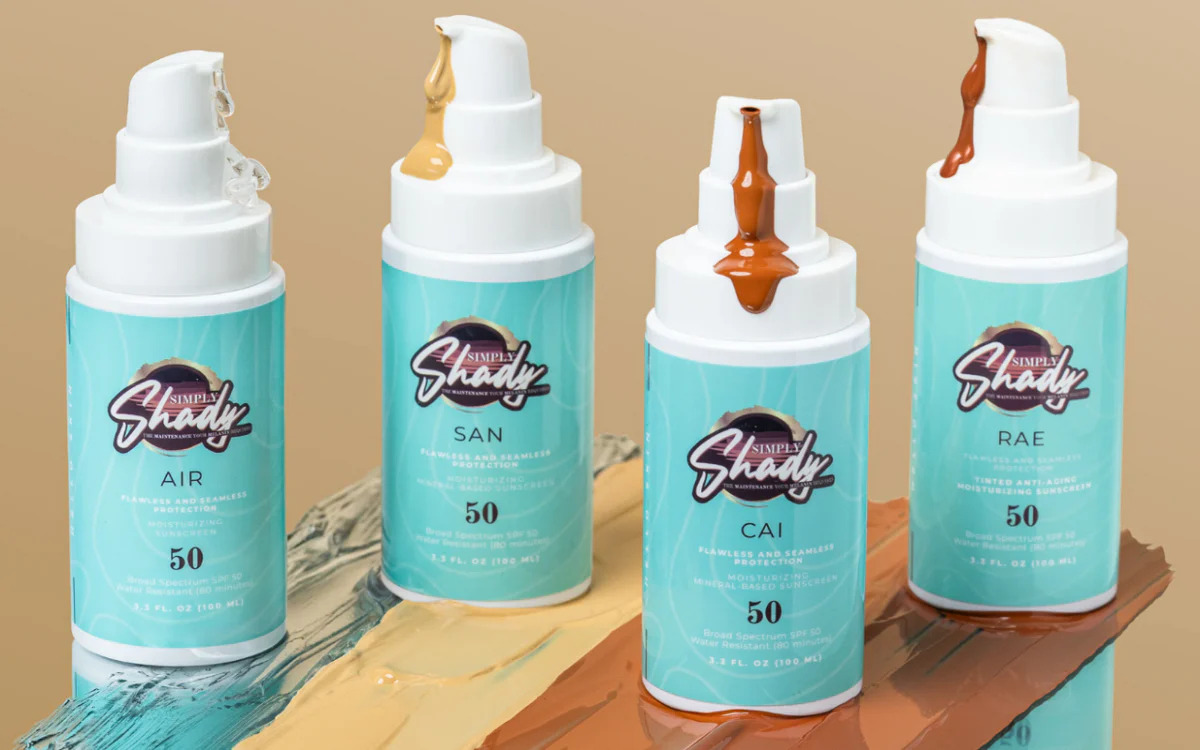
The right mineral sunscreen protects facial skin without irritation, white cast, or clogged pores. It creates a physical shield that reflects UV rays and works right after application. This makes mineral formulas safer for daily use and sensitive skin. The best mineral sunscreen for face also blends well, feels lightweight, and supports skin health over time. Dermatologists often recommend mineral sunscreens because they stay on the skin’s surface and reduce reactions. When sun protection feels comfortable and looks natural, daily use becomes easy. That daily habit is what prevents early aging, dark spots, and long-term damage.
Understand How Mineral Sunscreen Protects Facial Skin
Mineral sunscreen protects skin differently than chemical formulas.
It sits on the surface and blocks UV rays.
This makes it gentle and stable in sunlight.
Protection starts right away.
Key mineral filters to know
- Zinc oxide: Broad protection from UVA and UVB rays
- Titanium dioxide: Strong UVB defense
The American Academy of Dermatology confirms mineral sunscreens are effective and less irritating. They are often recommended for facial skin, children, and sensitive skin types.
Because mineral filters do not absorb into skin, they reduce redness and stinging. This makes them ideal for daily facial use.
How to Choose the Best Mineral Sunscreen for Face
Choosing the best mineral sunscreen for face depends on comfort, coverage, and safety.
Facial skin needs extra care.
Start with broad-spectrum protection.
This guards against both UVA and UVB rays.
What to check on the label
- SPF 30 or higher
- Zinc oxide listed first
- Non-comedogenic claim
The Skin Cancer Foundation states SPF 30 blocks about 97% of UVB rays. Higher SPF offers slightly more protection but needs proper application.
A good facial sunscreen should feel breathable. Heavy formulas discourage daily use and lead to uneven protection.
Choose a Formula That Leaves No White Cast
White cast remains a common sunscreen complaint.
Tinted mineral formulas solve this issue.
Tinted sunscreens use iron oxides.
These pigments help match skin tones.
Why tint improves results
- Blends better on deeper skin tones
- Reduces chalky residue
- Evens skin tone instantly
Research from the Skin of Color Society shows tinted sunscreens improve use among melanin-rich skin types. Better blend leads to better protection.
A sunscreen that disappears into skin feels more wearable. Wearability improves daily consistency.
Look for Added Skincare Ingredients
Modern mineral sunscreens offer more than sun protection.
They support overall skin health.
Many include:
- Hyaluronic acid for hydration
- Vitamin C for brightness
- Vitamin E for antioxidant support
According to Harvard Health Publishing, antioxidants help fight free radicals caused by sun exposure. This reduces early aging signs.
Hydrating ingredients prevent dryness and tightness.
This matters for daily facial use.
A sunscreen that doubles as skincare saves time and layers.
Pick Clean and Gentle Formulas for Daily Wear
Clean beauty standards matter for facial products.
Facial skin absorbs stress faster than body skin.
Clean mineral sunscreens often avoid:
- Chemical UV filters
- Artificial dyes
- Carmine-based pigments
Environmental studies show mineral sunscreens are reef-safe. They are safer for oceans and daily use.
Cruelty-free testing also builds trust.
Ethical products support both skin and values.
Gentle formulas reduce irritation risk.
That makes daily application easier.
Match the Sunscreen to Your Lifestyle
The best sunscreen fits daily routines.
Busy days need simple solutions.
For daily wear, choose a formula that:
- Blends quickly
- Feels lightweight
- Works under makeup
The Journal of Clinical and Aesthetic Dermatology reports higher sunscreen use when texture feels comfortable. Comfort improves habits.
Consistency protects skin long term.
A simple routine works best.
Frequently Asked Questions
Is mineral sunscreen better for facial skin?
Mineral sunscreen is often better for facial skin. It stays on the surface and reflects UV rays. This reduces irritation and redness. Dermatologists recommend it for sensitive, acne-prone, and post-treatment skin due to its gentle nature.
Does mineral sunscreen clog pores?
Most mineral sunscreens are non-comedogenic. Zinc oxide sits on top of skin instead of absorbing into pores. Lightweight formulas designed for the face reduce breakouts when used with proper cleansing.
Can mineral sunscreen work for oily skin?
Yes. Many mineral sunscreens are oil-free and lightweight. They help control shine while protecting skin. Choosing a matte or tinted formula improves comfort for oily skin types.
Why does tinted mineral sunscreen work better?
Tinted mineral sunscreen blends more naturally into skin tones. Iron oxides reduce white cast and improve coverage. This leads to better daily use and stronger protection results.
How often should facial sunscreen be applied?
Facial sunscreen should be applied every morning. Reapply every two hours during sun exposure. Daily use reduces aging signs and skin cancer risk, according to dermatology studies.
Conclusion
Choosing the right mineral sunscreen protects facial skin while supporting daily comfort and confidence. A good formula offers broad protection, no white cast, and skin-friendly ingredients. Inclusive shades, clean beauty standards, and cruelty-free practices matter for modern skincare. The best mineral sunscreen for face fits easily into daily routines and encourages consistent use. Simply Shady offers mineral sun care that blends seamlessly, respects all skin tones, and supports healthy, protected skin. Try a sunscreen that feels good, looks natural, and works every day.