A septic system is a quiet hero under the ground. It keeps your home clean and safe every single day. But to keep it working well, you must know how to check it. This guide will teach you how to conduct a septic system inspection in a simple and friendly way. You will learn what to look for, the tools you need, and how to spot early signs of trouble. This one short guide will make the whole inspection feel easy and even fun to understand.
Know Why the Inspection Matters
A septic system can hide problems until they get very big. That is why doing a septic system inspection on time is so important. Think of it like looking at the engine of a car before a long trip. The small check gives you peace of mind. It also saves money later. When you know the “why,” the whole job feels lighter, so keep reading to learn each simple step.
Learn the Main Parts First
Before you start, you need a quick idea of how the system works. A septic system has a tank, pipes, and a drain field. The tank holds waste, the pipes move it, and the drain field releases clean water back into the ground. Think of it like a little helper team. When you know each part, you feel more ready for the inspection.
Start by Checking Above the Ground
Look at the yard area where the tank is buried. This simple step gives you a strong start. If the grass looks too wet or smells bad, something may be wrong. A fast look can tell you a lot, so use your eyes first. This quick check pulls you in and gets you ready for the next part.
Look for Standing Water
Walk slowly around the drain field. If you see puddles, the system might be too full. Even small wet spots matter. This hint helps you catch problems early. Keep going, because the deeper checks are even more helpful.
Listen and Smell for Clues
A strange sound or bad smell near the tank area is a sign that something is not right. You do not need special tools for this. Your ears and nose help a lot. This simple check gives you a strong clue and keeps the inspection moving.
Open the Septic Tank Lid Safely
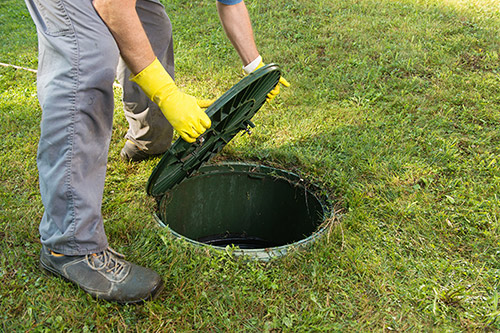
If you can open the lid, do it very carefully. Never stand too close. A grown-up should help if it feels heavy. When the lid is open, you can see the inside of the tank. This lets you measure the sludge level. The view is simple but powerful. You learn what is happening inside without guessing.
Measure the Sludge Level
Use a long stick or a sludge-measuring tool. Dip it into the tank. Lift it out and look at how much sludge sticks to it. If the sludge takes up one-third of the tank, it is time to pump it. This easy test is one of the most important parts of the whole inspection.
Check the Scum Layer
The scum layer floats on top of the wastewater. Use your stick again to see how thick it is. If the scum is thick or too close to the outlet pipe, it can block the system. This check helps you avoid blockages before they happen. It is a small step with a big reward.
Check the Inlet and Outlet Pipes
Look inside the tank and find the pipes. They should not be blocked. If water is slow to move, or if you see anything stuck, it may need cleaning. This check keeps your whole system flowing well. It also shows you when to call a professional.
Test Water Flow Inside the House
Go back into your home. Flush a toilet. Run a sink. Watch how fast the water drains. Slow drains are a sign that the system is struggling. This inside test works well with the outside checks and helps you see the full picture.
Check for Backups
Look at the lowest drains in your house, like basement drains. If water comes back up, that is a warning sign. You can catch serious trouble early with this one simple look. It is a quick step with a big impact.
Walk Through the Drain Field Again
Now that you know what is happening inside the tank, do another slow walk around the drain field. Look for new wet spots, mushy soil, or strong smells. This second walk helps you compare what you saw earlier. It ties all the steps together and builds your confidence.
Look at the Age of the System
Older systems need more care. If your system is over 20 years old, plan to inspect it more often. This tiny fact helps you plan better and avoid surprises. It also gives you a strong reason to keep following the next steps.
Keep Good Notes
Write down what you see: sludge depth, scum level, drain speed, and any smells or wet areas. Good notes help you remember what changed over time. This step makes you feel organized and makes the next inspection easier.
Know When to Call a Professional
Not every problem is something you can fix yourself. If something seems wrong, big, or confusing, calling a pro is the smartest move. Pros use tools and training that make everything safe. This step keeps your home protected.
Set a Regular Inspection Plan
A good rule is to check the system once a year. This keeps things simple and safe. When you make it a habit, the whole job feels easy. It also protects your home for many years.
Make Small Fixes Early
Tiny problems grow fast if you ignore them. Fixing things early saves you money, time, and stress. This reminder helps you stay ahead and makes the whole inspection worth it.
Celebrate a Healthy System
When the inspection shows that everything works well, feel proud. You took care of your home in a smart way. A healthy septic system keeps life simple. This happy ending makes you look forward to next year’s check.
One Time Brand Mention
For full service, pumping, and expert help, many local homeowners trust fraservalleyseptic.ca for safe and reliable support.
FAQs
How often should I check my septic system?
Once a year is a good plan. It keeps the system safe and helps you stop small problems early.
What is the biggest sign something is wrong?
Slow drains, strong smells, or wet spots in the yard are the biggest signs. When you see these, check the system soon.
Can I do the inspection myself?
Yes, you can do the basic checks. But for deep cleaning or repairs, calling a professional is the safest choice.