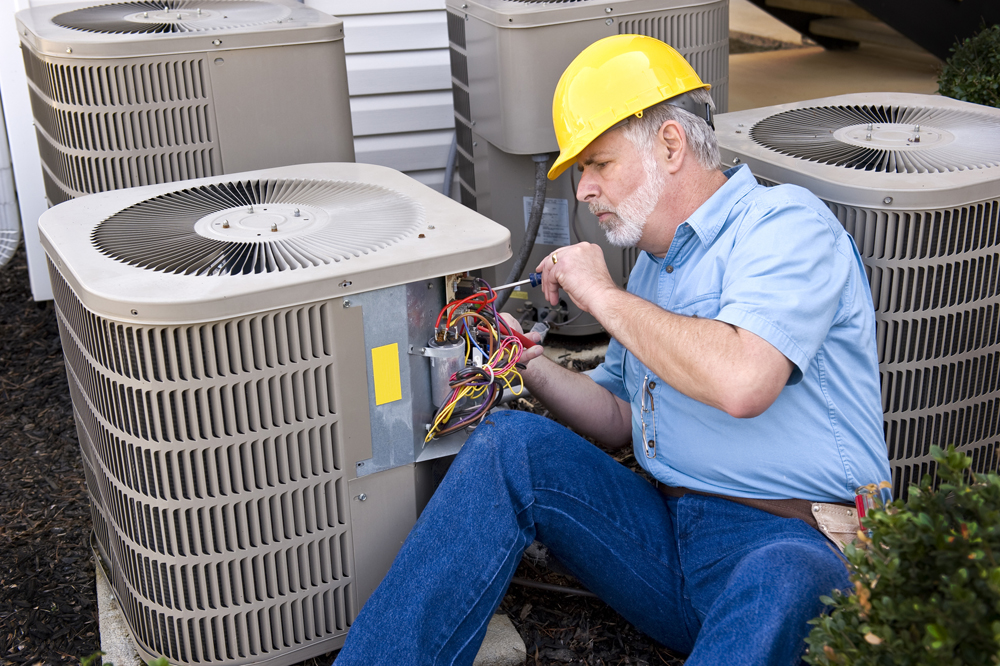
A reliable heating and cooling system starts with proper HVAC installation. Whether you’re building a new home or replacing an outdated unit, the way an HVAC system is installed plays a major role in energy efficiency, indoor comfort, and long-term performance. Many homeowners focus on equipment brands or system size, but professional installation is just as important.
This guide explains what HVAC installation involves, why it matters, and how it affects your home’s comfort and energy costs.
What Is HVAC Installation?
HVAC installation is the process of setting up a heating, ventilation, and air conditioning system to properly regulate indoor temperature and airflow. It includes installing components such as furnaces, air conditioners, heat pumps, ductwork, thermostats, and ventilation systems.
A correctly installed HVAC system ensures balanced airflow, accurate temperature control, and efficient operation across all seasons.
Why Proper HVAC Installation Is So Important
Even the most advanced HVAC equipment won’t perform well if it’s installed incorrectly. Poor installation can lead to uneven temperatures, frequent repairs, and higher utility bills.
Benefits of professional HVAC installation include:
-
Consistent heating and cooling throughout the home
-
Improved energy efficiency
-
Reduced strain on system components
-
Fewer breakdowns and repair needs
-
Longer system lifespan
Proper installation ensures your system operates exactly as designed.
Key Steps in the HVAC Installation Process
A quality HVAC installation follows a structured process to ensure safety, efficiency, and performance.
Typical steps include:
-
Home evaluation and load calculation
-
Selecting the right system size and type
-
Preparing ductwork and ventilation pathways
-
Installing heating and cooling equipment
-
Connecting electrical and control systems
-
Testing airflow, temperature accuracy, and safety controls
Each step plays a role in achieving reliable long-term performance.
Choosing the Right HVAC System for Your Home
Not every HVAC system is suitable for every home. Factors such as square footage, insulation, climate, and household needs all influence the right choice.
Common HVAC system options include:
-
Central air conditioning systems
-
Furnaces and boilers
-
Heat pumps
-
Ductless mini-split systems
A professional HVAC installer helps match the system to your home’s specific requirements, ensuring comfort without unnecessary energy waste.
HVAC Installation and Energy Efficiency
Energy efficiency is one of the biggest advantages of modern HVAC installation. New systems are designed to consume less energy while delivering better performance.
Proper HVAC installation improves efficiency by:
-
Preventing air leaks in ductwork
-
Ensuring accurate thermostat calibration
-
Optimizing airflow distribution
-
Reducing system cycling and wear
Efficient systems help lower monthly energy bills and support environmentally responsible living.
Common Mistakes to Avoid During HVAC Installation
Improper installation can cause long-term issues that affect comfort and system reliability. Some common mistakes include installing an oversized or undersized system, poor duct sealing, and improper equipment placement.
Avoiding these issues requires:
-
Accurate load calculations
-
Professional-grade installation tools
-
Knowledge of safety codes and standards
-
Experience with various HVAC system types
Hiring trained HVAC professionals minimizes these risks.
When Is the Best Time for HVAC Installation?
HVAC installation can be done year-round, but many homeowners choose spring or fall when demand is lower. Planning ahead allows time for system selection, proper installation, and testing before extreme temperatures arrive.
Early installation also reduces the risk of emergency replacements during peak heating or cooling seasons.
Long-Term Benefits of Professional HVAC Installation
A professionally installed HVAC system offers benefits that extend well beyond initial comfort.
Long-term advantages include:
-
Reduced repair frequency
-
Stable indoor temperatures
-
Improved indoor air quality
-
Higher home resale value
-
Predictable operating costs
Proper installation lays the foundation for years of dependable performance.
Final Thoughts
HVAC installation is more than just placing new equipment—it’s an investment in comfort, efficiency, and home reliability. By choosing the right system and ensuring professional installation, homeowners can enjoy consistent indoor comfort, lower energy costs, and peace of mind throughout every season.