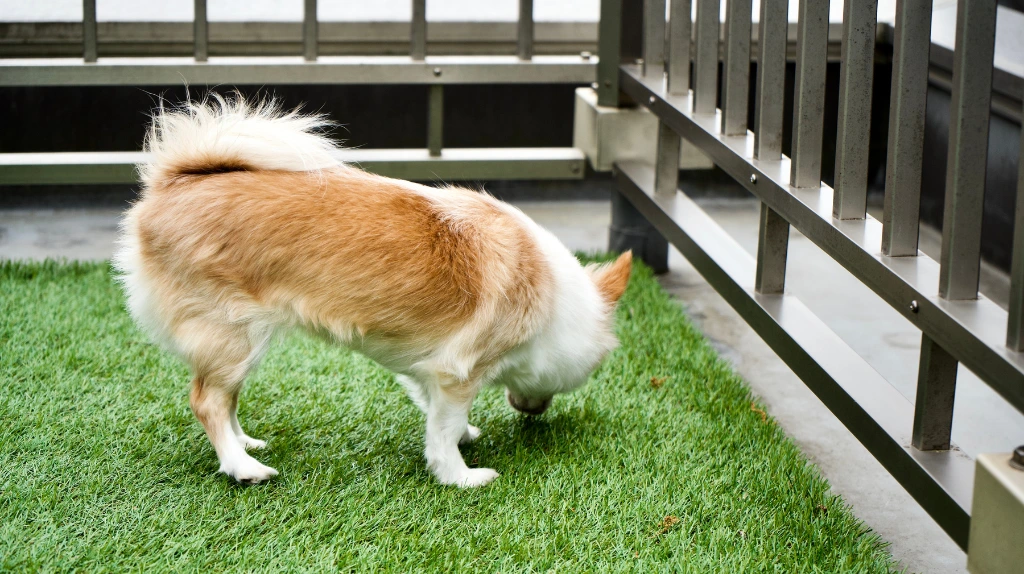
Artificial grass has become an increasingly popular lawn alternative for dog owners. With benefits like year-round greenery, reduced maintenance, and improved durability, many pet owners are replacing natural grass with synthetic turf. However, a common and important question remains: Is artificial grass safe for dogs?
The short answer is yes—when chosen and installed correctly, artificial grass is safe for dogs. However, not all artificial turf products are the same. Understanding materials, drainage, heat retention, and maintenance is essential to ensuring a safe and comfortable environment for your pet. This guide covers everything dog owners need to know before making the switch.
What Is Artificial Grass Made Of?
Artificial grass is typically made from synthetic fibers such as polyethylene, polypropylene, or nylon. These fibers are attached to a backing system that provides structure and drainage. For pet-friendly turf, manufacturers focus on softness, durability, and safety.
High-quality artificial grass designed for pets is made using non-toxic materials and does not require harmful chemicals like pesticides, herbicides, or fertilizers. This makes it safer than natural grass that often needs chemical treatments to stay green.
Is Artificial Grass Toxic to Dogs?
One of the biggest concerns pet owners have is toxicity. Reputable artificial grass products are manufactured to be safe for pets and children. They do not contain lead or harmful heavy metals and are designed to withstand chewing, scratching, and daily use.
However, safety depends on quality. Low-cost or poorly manufactured turf may use inferior materials. When selecting artificial grass for dogs, it’s important to choose products specifically labeled as pet-safe or pet-friendly.
Can Dogs Pee and Poop on Artificial Grass Safely?
Yes, dogs can safely relieve themselves on artificial grass. In fact, many dog owners find it easier to clean than natural lawns.
Urine Drainage
Pet-friendly artificial grass includes a drainage system that allows urine to flow through the turf backing into the ground below. Proper drainage prevents pooling, bacteria buildup, and lingering odors.
Solid Waste Removal
Solid waste is easy to remove from artificial grass. Once picked up, the area can be rinsed with water, keeping the surface clean and sanitary.
Odor Control
Artificial grass does not absorb liquids like soil, which means odors won’t become permanent if the turf is maintained properly. Occasional rinsing and pet-safe enzymatic cleaners help eliminate smells at the source.
Is Artificial Grass Comfortable for Dogs?
Comfort is another important factor. High-quality artificial grass is designed to feel soft underfoot while remaining durable. Most dogs enjoy lying, playing, and rolling on artificial turf just as much as natural grass.
Paw and Skin Safety
Pet turf is made with smooth fibers that won’t scratch paws or irritate skin. Unlike gravel or concrete, artificial grass provides a cushioned surface that is gentler on joints, especially for senior dogs.
Support for Active and Aging Dogs
Artificial grass creates a stable, even surface, reducing the risk of slips and falls. This is especially helpful for older dogs or pets with mobility issues.
Does Artificial Grass Get Too Hot for Dogs?
Heat retention is one of the most discussed concerns regarding artificial grass. Synthetic turf can become warmer than natural grass when exposed to direct sunlight.
How to Reduce Heat
-
Choose lighter-colored turf
-
Install shade structures or trees
-
Rinse the surface with water on hot days
-
Limit outdoor play during peak heat hours
With proper planning and care, artificial grass can remain safe for dogs even in warmer climates.
Is Artificial Grass Hygienic for Dogs?
Artificial grass can actually be more hygienic than natural lawns when maintained properly.
Fewer Parasites
Natural grass can harbor fleas, ticks, and other pests. Artificial turf creates a less inviting environment for these parasites, reducing the risk of infestations.
No Chemical Exposure
Because artificial grass doesn’t need fertilizers or weed killers, dogs are not exposed to potentially harmful lawn chemicals.
Easy Cleaning
Regular rinsing removes dirt, hair, and bacteria. Unlike soil, artificial grass does not allow waste to soak deep into the ground, making sanitation easier.
Installation Safety Considerations
Safety starts with proper installation. Poor installation can lead to drainage problems, uneven surfaces, or trapped moisture.
Key Installation Tips
-
Ensure a proper base with good drainage
-
Avoid gaps or lifted edges that dogs can chew
-
Use pet-safe infill materials
-
Secure turf firmly to prevent movement
Professional installation is recommended for large or permanent areas to ensure long-term safety and performance.
Potential Risks and How to Avoid Them
While artificial grass is generally safe, there are a few potential risks to be aware of.
Chewing and Digging
Some dogs may try to chew or dig at artificial turf. Using durable materials, securing edges properly, and providing toys or enrichment can help prevent damage.
Poor-Quality Turf
Low-quality turf may flatten quickly, overheat, or degrade. Investing in high-quality, pet-specific grass reduces these risks.
Lack of Maintenance
Neglecting cleaning can lead to odors or bacteria buildup. A simple maintenance routine prevents these issues and keeps the surface safe.
Is Artificial Grass Better Than Natural Grass for Dogs?
For many dog owners, artificial grass offers several advantages over natural lawns:
-
No mud or dirt
-
No toxic chemicals
-
Improved durability
-
Reduced allergens and pests
-
Easier cleanup
While natural grass has its appeal, artificial turf provides a cleaner, more predictable environment, especially for homes with active or multiple dogs.
Final Verdict: Is Artificial Grass Safe for Dogs?
Yes, artificial grass is safe for dogs when you choose a high-quality, pet-friendly product and maintain it properly. It offers a clean, durable, and comfortable surface that supports dogs of all ages and activity levels.
By focusing on non-toxic materials, proper drainage, heat management, and regular cleaning, artificial grass can create a safe and enjoyable outdoor space for your dog. For many pet owners, it’s a practical and reliable alternative that improves both pet safety and overall convenience.