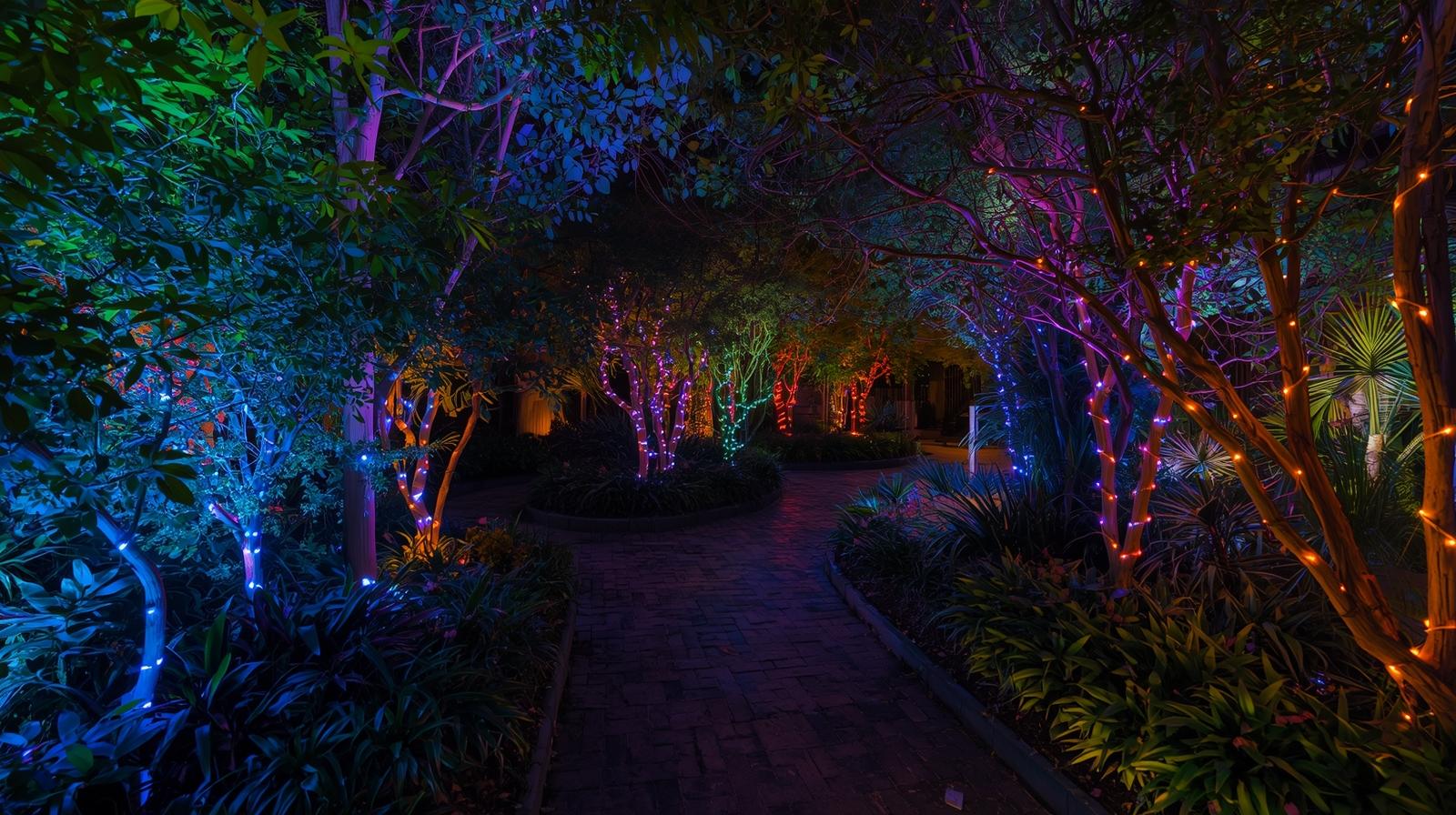
Lighting can transform a garden. With the right outdoor garden lights you can create atmosphere, improve safety, and extend the time you spend outside. This guide walks you through the types of lights available, how to choose the right fixtures for different areas, placement and wiring basics, maintenance tips, and how to get the best performance from your installation. Whether you’re planning a gentle patio glow, dramatic up lighting for specimen trees, or subtle path illumination, this article will help you plan a lighting scheme that looks great and works reliably.
Why thoughtful garden lighting matters
Good garden lighting does more than simply make things visible at night. It highlights features, creates mood, enhances security, and makes outdoor spaces usable after dark. Thoughtful lighting balances functionality and beauty: task lighting for steps and entrances, accent lighting for plants and water features, and ambient lighting for social areas. With modern LED technology, you can achieve all of this while keeping energy use low and maintenance straightforward.
Types of outdoor garden lights
Path and step lights
Path lights are designed to mark walkways and steps, improving safety and guiding visitors through the garden. They are usually low to the ground and provide soft, even illumination. Choose warm white tones to create a welcoming feel and fixtures with durable housings rated for outdoor use.
Spotlights and uplighters
Spotlights are great for drawing attention to specimen trees, statues, or architectural features. Uplighters placed at the base of a tree or wall create dramatic silhouettes and texture. Select adjustable heads so you can fine-tune beam angles as plants grow or features change.
Wall-mounted and porch lights
Wall lights illuminate entrances and seating areas. They should be positioned to avoid glare while providing enough light for door locks, keypads, and seating. Wall fixtures also serve as decorative elements and can complement the style of your home.
Deck and step recessed lights
Recessed fixtures installed in decking or steps give a refined, built-in look and reduce trip hazards. They work well for subtle illumination of edges and transitions, especially when spaced consistently along stairs or decks.
String lights and festoon lighting
String lights are perfect for creating a relaxed, social atmosphere above patios, pergolas, and dining areas. They come in a variety of bulb styles and lengths, and they are often easy to install temporarily or permanently.
Bollard lights and post lights
Bollards are taller fixtures used to mark driveways or longer pathways. They provide broader illumination than low path lights while still keeping light focused and controlled.
Pond and underwater lights
Water features benefit from dedicated underwater fixtures that are fully sealed. Lighting ponds or fountains from below adds depth and a magical shimmer to the surface.
Solar-powered and battery options
Solar garden lights are convenient and wire-free, making them great for simple installations. Battery-powered fixtures are useful for seasonal or temporary setups. For long-term performance and brighter output, mains-powered LED fixtures usually outperform solar in reliability and light quality.
How to choose the right lights
Match light level to purpose
Decide what each area needs: navigation, safety, accent, or ambience. Steps and paths require brighter, more focused light; seating areas benefit from softer ambient light; features like trees and statues demand directional spotlights.
Consider beam angle and colour temperature
Narrow beam angles concentrate light on a focal point, while wider beams provide general illumination. Colour temperature affects mood: warm white (around 2700–3000K) feels cozy and natural for most gardens, while cooler whites can feel crisp and modern but may be too stark for planting areas.
Look for durability and appropriate IP rating
Outdoor fixtures should carry an IP rating that matches their exposure. For most garden installations IP65 is a common choice resistant to dust and jets of water. Underwater lights need higher ingress protection designed for immersion.
Energy efficiency and control
LED technology delivers high light output with low power consumption and long life. Consider dimmable fixtures and compatible controllers or timers to adjust brightness and operating hours. Smart control systems can add convenience, but simple timers and photocells also work well.
Placement and design principles
Layer your lighting
Use three layers: ambient (general illumination), task (for specific activities or safety), and accent (to highlight features). Layering prevents overly bright or uneven gardens and creates depth.
Avoid glare and light spill
Position fixtures so light is directed where needed, shielded from eyes, and not pointing into neighbors’ windows. Use cut-off fittings, shields, and careful aiming to keep light focused.
Create focal points
Choose one or two focal features an ornamental tree, sculpture, or water feature and highlight them with uplighting or spotlights. Secondary areas can have softer accents to support the main focus.
Keep scale in mind
Match the size and intensity of lights to the scale of your garden and features. Small gardens usually need more subtle fixtures and lower light levels, while large landscapes can handle bolder statements.
Installation basics
Plan before digging
Map out cable runs, fixture positions, and transformer locations. Planning prevents unnecessary trenching and helps you estimate cable length and power requirements.
Use low-voltage for safety and flexibility
Many garden systems use low-voltage (12V or 24V) transformers that are safe and easy to work with for DIY installations. Transformers should be sited in dry, ventilated locations and rated for the total wattage of the connected fixtures.
Consider professional help for mains connections
If your setup requires mains wiring or permanent buried cables, hire a qualified electrician to ensure compliance with local regulations and safe installation.
Protect cables and connections
Use suitable outdoor-rated cable, protect runs in conduit where exposed, and use watertight connectors at fixtures. Proper cable management reduces the chance of damage from lawn maintenance or weather.
Maintenance and longevity
Regular cleaning and inspection
Wipe lenses and remove debris to maintain light output. Inspect seals, gaskets, and cable connections for wear. Trim plant growth that can block or overexpose fixtures.
Replace bulbs and drivers proactively
LED fixtures can last many years, but drivers and components may need replacement over time. Keep records of installation dates and warranty information for faster servicing.
Seasonal adjustments
Adjust aiming and intensity as plants grow and seasons change. Timers and controllers can be reprogrammed to match dusk times throughout the year.
Safety and light pollution considerations
Be mindful of neighbor’s and wildlife. Avoid excessive upward light that contributes to sky glow, and aim light where it serves a purpose. Use warm colour temperatures and limited brightness for wildlife-friendly lighting, especially near hedgerows and ponds.
Why choose products from UK Led Lights
At UK Led Lights we offer a wide selection of outdoor garden lights suitable for different garden styles and budgets. Our range includes low-voltage spotlights, recessed deck lights, robust wall lanterns, waterproof pond lights, and versatile string lights. Each product is tested for outdoor durability and supplied with clear installation guidance. If you prefer to plan a full garden scheme, we can help you choose compatible fixtures, transformers, and controls to make the installation straightforward.
Final tips for a successful garden lighting project
Start small and expand: begin with essential safety lighting and one or two accent features, then build the scheme over time. Test fixture positions using temporary lights before fixing them permanently. Priorities durable, weather-rated fittings and proper cable protection to reduce maintenance. Finally, aim for balance lighting should invite you into the garden, not overwhelm it.
With careful planning and the right fixtures, outdoor garden lights can dramatically improve how you use and enjoy your outdoor space. Whether you want a cozy evening on the patio, dramatic up lighting for specimen plants, or safe well-lit paths, a considered lighting scheme will make your garden more beautiful and functional after dark. If you need help choosing products or planning a layout, UK Led Lights can provide practical advice and quality fixtures to suit your project.