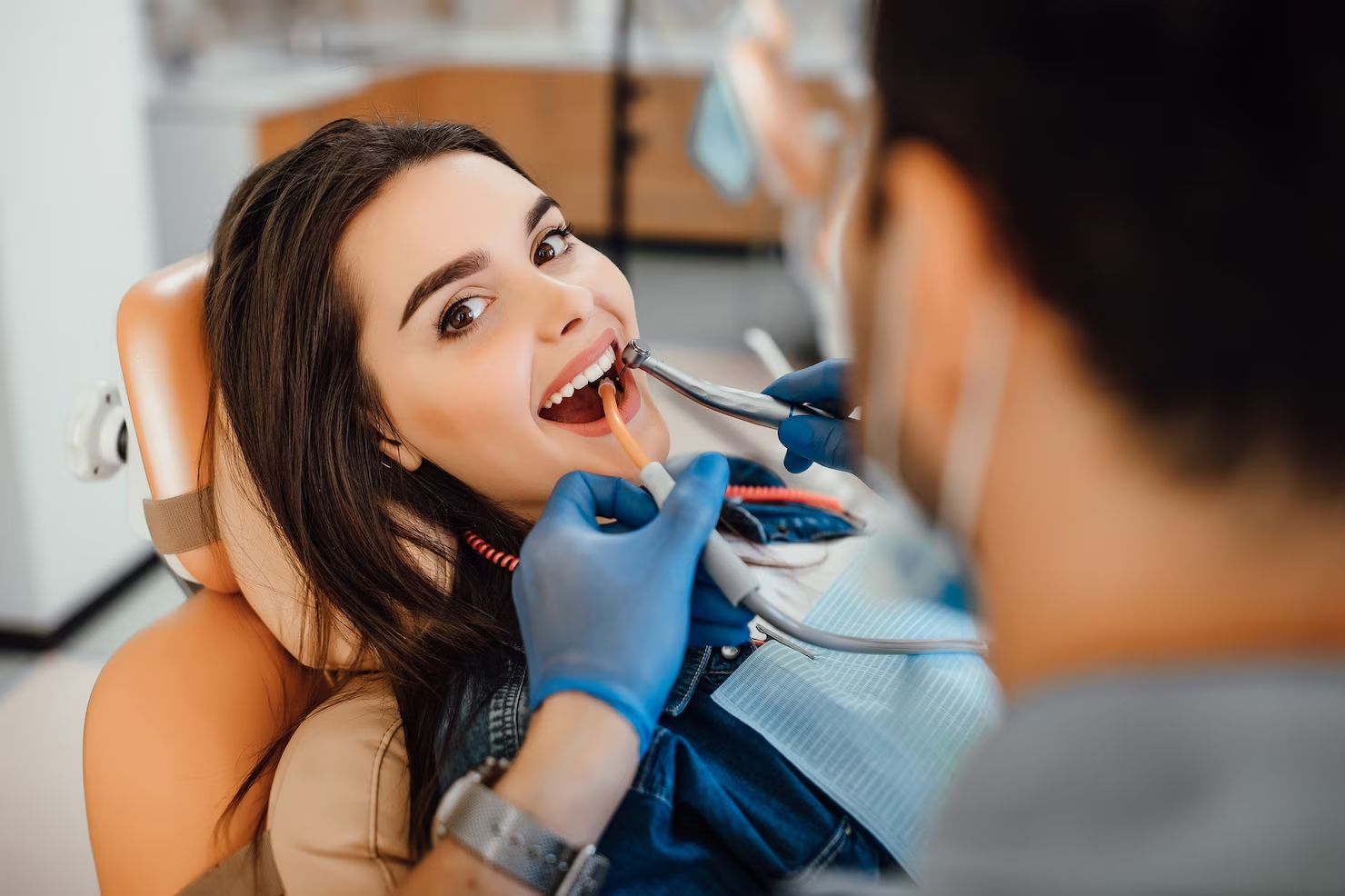
Healing after mouth surgery starts well before you sit in the clinic. Not everyone sees it that way – many assume skipping food and handing over a signed paper is enough. Truth is, being ready goes beyond those steps. Choices matter – the place picked, how pain afterward gets handled – they shape recovery, particularly when searching for “oral surgery Lebanon.” That search usually shows places with updated tools and cheaper prices compared to clinics in Europe or North America. Yet success leans more on daily routines built earlier – not hours before, but days, even weeks prior. The body responds to consistency, not last-minute moves. Planning quietly sets the pace, whether noticed or not. What feels minor can shift results. Prep done right doesn’t shout – it simply works.
Sleep and Rest Before Surgery
Here’s something people often miss: how you rest your body at night during the days before an operation. Research points to long-term bad sleep weakening your ability to fight off illness, making healing take longer. When lying completely horizontal, some individuals grind their teeth more after dark, which strains nearby muscle groups without realizing it. That tension might linger right where the surgeon will work. Head raised a bit? Helps ease pressure later. Not while healing, mind you – before. Basic idea. Hardly anyone mentions it.
Water Quality Considerations
Water quality often gets overlooked. Depending on where you live, tap water can differ a lot. Some areas in Lebanon advise against drinking local supply – filtration isn’t always reliable. A few days before your procedure, switching to bottled or filtered options makes a difference. Moist tissue inside the mouth stays more stable that way. That kind of environment helps blood clots form properly afterward. That parched feeling does more than irritate – it feeds bacteria, slows recovery. Water matters, yes, but so where it comes from.
Medication and Supplements
Timing plays a role with medicines. A few people quit taking blood thinners by themselves ahead of surgery – risky move. On the flip side, some believe plant-based pills carry no danger. Wrong idea. St. John’s Wort, often taken to help manage emotions, messes with drugs used during anesthesia. Green tea extract? It may change how platelets behave. Few days before surgery, every pill matters. Even ones swallowed just once a week need mentioning. Two weeks ahead gives time to act. Doctors in Beirut insist on it – they’ve seen issues sparked by hidden herbals, not hospital drugs. Training abroad shaped that strict view. What patients forget to name can cause real trouble.
Pre-Surgery Nutrition
Few think about meals when prepping for surgery. Three to five days prior, what you eat shapes how your body builds collagen – key for healing cuts. Still, swapping regular food for mushy options often drops protein without warning. Soft doesn’t mean better. Aim steady, not plain. Starting off with eggs, you’ll find they bring both body and goodness to meals. Moving on to yogurt, it smooths things out while feeding your recovery. Then there are lentils – soft yet full of what the body needs. When carbs come into play, oats step up quietly but effectively. Their slow release keeps energy even, which helps calm internal reactions after surgery.
Choosing the Right Clinic
Looking up “oral surgery Lebanon,” people tend to study clinic pictures or pricing first. Yet hardly anyone checks if the team stays consistent. What happens during later visits – same faces around? One person doing the work and also the aftercare chats? When duties shift between many hands, mix-ups can creep in. Cozy clinics run by individuals may sync things better than big spots shouting about fancy imaging or sleep-like procedures.
Post-Surgery Care
Right after surgery, people begin recovering – though often in ways that miss key details. Ice works well when used off and on within the first half day. Leaving it on nonstop reduces circulation so sharply that tissues get less oxygen. By the third day, warmth tends to do better, loosening tightness near the jaw muscles.
Rinsing feels obvious at first glance. Still, nearly everyone speeds through it. Wait one full day before trying saltwater swishes after surgery. Jumping in too soon knocks loose what protects the wound. What about the amount of salt? Mix only half a teaspoon into each cup of heated water – stick to that. Too much stings cells dry rather than helping heal.
Medication works better when timing matters. Not waiting until discomfort hits hard keeps things more stable. Once feeling returns, beginning the recommended amount early helps avoid worsening signals. Oddly enough, managing it before it builds means using less medicine overall.
Frequently Asked Questions
- How does safety of mouth operations in Lebanon stack up against places like the US or UK?
Few know it, yet training often happens overseas or at recognized centers within the country. Clinics across Beirut and parts of Mount Lebanon stick to global benchmarks. You can find official approval records published on websites. Success shows up most when patients follow through – location matters less than that. - Back on the job – how fast is possible?
After surgery, folks who sit at desks usually go back to work in three or four days if things go smoothly. Jobs that need lifting or moving take about a week or more. The worst of the swelling shows up two days afterward. Taking leave ahead of that means you do not have to hurry when people start noticing. - Can smoking really affect healing?
True. Using tobacco up to three days before a procedure makes dry socket much more likely – five times so. The body struggles to send blood through tiny vessels when nicotine is present. Pulling air in while smoking can break apart the forming clot. Even vape products pose danger, not only because of what they contain but how you inhale them. - What signs mean I should call my surgeon?
Should you notice discharge that smells bad, lasting more than four hours of blood flow, a temperature higher than 38°C, or tingling spreading outside the area operated on – get in touch without delay. Slight discoloration or an occasional low throb? That fits what’s expected. - What makes certain folks get better quicker than others?
What you do every day matters more than expected. Brushing teeth regularly before an operation cuts down on mouth bacteria, which helps free up the body’s defenses when healing begins. Factors like genes tied to blood protein levels, how much inflammation someone starts with, age, plus how often they clean their teeth all play roles. Recovery shifts based on these behind-the-scenes details.
The Takeaway
Getting ready isn’t just ticking boxes. What matters lives in tiny decisions made early – shifting sleep times, picking what to drink, tracking pills – done days before reaching the clinic door. Healing begins long before stitches are placed. It kicks off the moment habits begin to change. For people searching terms like “oral surgeon somerville nj,” real progress lies not in glossy pamphlets, but in these unnoticed steps taken ahead of time.