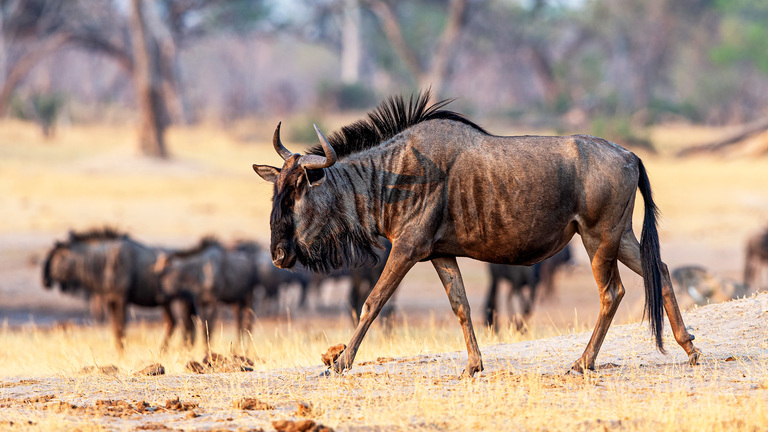
The serengeti great migration is one of the most watched wildlife movements on Earth. Every year, millions of wildebeest, and gazelle move across East Africa. This movement follows rainfall, not dates on a calendar.
For travelers from the United States, planning this trip needs clear timing and location choices. Long flights, seasonal changes, and park logistics all play a role. A good plan helps you see the migration at its strongest.
This guide explains what you should know before traveling from the USA. It focuses on timing, and practical planning. The goal is to help you make informed decisions.
Key Things to Know Before Planning a Serengeti Great Migration Trip from the USA
Planning the serengeti great migration from the USA takes clear thinking. Animal movement and travel time all affect what you see. Knowing these basics early helps you plan with confidence and avoid common mistakes.
-
Travel Documents and Health Planning Matter
Travel from the USA requires preparation. Passports must be valid. Visas are required for Tanzania.
Health planning is also important and so, medications should be arranged early. Travel insurance is also strongly recommended.
Prepare the following:
- Passport with required validity
- Tanzania visa
- Medical and travel insurance
Once paperwork is ready, planning feels easier. Last-minute issues can delay travel. Early preparation avoids problems.
-
Location Matters More Than Travel Month
Many travelers plan by month alone. This often leads to disappointment. The animals move, so location matters more than dates.
Being in the wrong area at the right time means fewer sightings. Being in the right area makes a major difference. This is why route planning is important.
Key regions to know include:
- Southern Serengeti for calving
- Central Serengeti for steady herd movement
- Northern Serengeti for river crossings
Once you match location with timing, sightings improve. This approach gives better results than chasing fixed dates. It also helps manage expectations.
-
Flights From the United States Take Time
Traveling from the USA to Tanzania is a long journey. Flights often include one or two stops. Total travel time can exceed 20 hours.
Jet lag can affect your first safari days. It helps to arrive early and rest before game drives. Planning buffer days improves comfort.
Keep these travel points in mind:
- Choose flights with manageable layovers
- Plan arrival one day before safari starts
- Avoid tight connections
Once you adjust, the trip feels smoother. Long travel is part of the process. Good planning reduces stress.
-
Weather Changes Affect Viewing Conditions
Weather shapes the migration. Rain controls grass growth, which guides animal movement. Weather also affects road access and visibility.
Dry months offer easier driving and dustier scenes. Wet months bring greener views but tougher roads. Both have trade-offs.
Before booking, consider:
- Dry season means easier movement
- Wet season means fewer vehicles
- Rainfall shifts migration routes
Understanding weather helps set realistic expectations. It also helps you pack correctly. Clothing and gear matter.
-
Safari Style Impacts Your Sightings
Not all safaris operate the same way. Some focus on fixed lodges. Others follow the herds.
Mobile camps move with the migration. This improves chances of daily sightings. Fixed lodges work well in specific seasons.
Think about these options:
- Mobile camps for herd tracking
- Fixed lodges for comfort and stability
- Private safaris for flexible schedules
Your choice affects how close you stay to the migration. It also affects cost and comfort. Match the style to your priorities.
-
River Crossings Are Unpredictable
River crossings are the most known images of the serengeti great migration. They are dramatic but not guaranteed. Animals may wait for days before crossing.
Crowds often gather near riverbanks. This can affect viewing quality. Timing remains uncertain.
Keep these facts in mind:
- Crossings depend on animal behavior
- No exact crossing schedule exists
- Waiting periods can be long
If crossings matter most to you, plan extra days. Patience increases your chances. Flexibility is key.
-
The Migration Happens Throughout the Year
Many people think the migration happens once a year. That is not correct. The herds move all year as rain patterns change.
Different months show different parts of the migration. Some periods focus on calving, while others show large herd movement. River crossings happen only during certain months.
Before you plan, understand these phases:
- Calving season in the southern Serengeti
- Herd movement through the central and western areas
- River crossings in the north
After learning this, you can match your travel dates to what you want to see. No phase is better than the other. Each phase offers a different view of the migration.
-
Photography Requires Planning
Many travelers want photos of the migration. Wildlife photography needs preparation. Equipment choice matters.
Dust, light, and movement affect shots. Guides help position vehicles correctly. Morning and evening light works best.
Helpful tips include:
- Bring protective gear for dust
- Use zoom lenses for distance shots
- Plan drives around light conditions
Photography planning improves results. It also reduces frustration. Good preparation leads to better images.
-
Crowds Vary by Season
Some months attract more visitors. River crossing season is the busiest. Other periods are quieter.
Crowds affect vehicle numbers at sightings. Quiet seasons offer calmer viewing. Busy seasons offer dramatic action.
Consider these factors:
- Peak months mean more vehicles
- Shoulder months offer balance
- Quiet months feel less rushed
Crowd levels affect your overall trip feel. Choose what suits you best. Both options have value.
-
Local Knowledge Makes a Difference
Migration routes shift every year. Rainfall changes patterns. Local guides track these movements daily.
Relying on outdated information can lead to missed sightings. Local expertise improves accuracy. It also improves safety.
Strong planning includes:
- Real-time movement updates
- Guides familiar with seasonal changes
- Flexible routing
This knowledge shapes your results. It turns planning into informed decision-making. It improves your time in the Serengeti.
Conclusion
Planning a Serengeti Great Migration trip from the United States requires more than choosing a month. It requires understanding movement, location, and timing together. When these elements align, sightings improve.
Long flights, changing weather, and animal behavior all affect the trip. Clear planning helps manage expectations. It also helps you enjoy each phase of the migration.
Reliable, up-to-date information matters when planning a trip like this. To ensure this, Wildebeest Sightings helps travelers understand where the herds move. They also check how the migration is unfolding, making planning more grounded. Want to discover the best wildlife sightings? Book a call today!