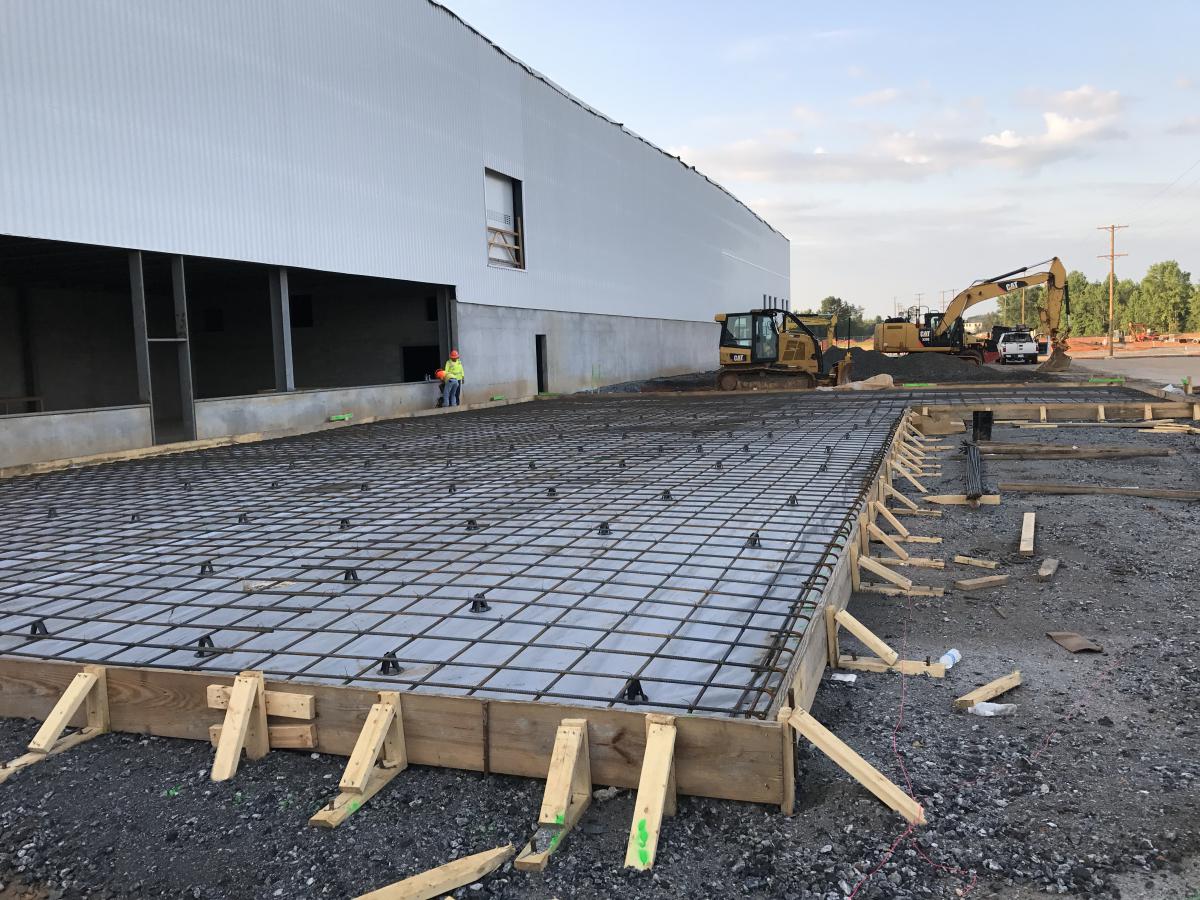
Slab foundations are one of the most common types of residential foundations in Grand Prairie, TX. A slab foundation is a flat, concrete base poured directly on the ground that supports the entire structure of a building. Unlike raised or pier-and-beam foundations, slab foundations sit flush with the ground, providing stability and durability when properly constructed. However, the unique soil conditions and climate of Grand Prairie can sometimes cause challenges for slab foundations, making awareness and proper maintenance essential.
Why Slab Foundations Are Popular in Grand Prairie
Slab foundations are popular in Grand Prairie for several reasons:
- Cost-Effective Construction: Slab foundations require less labor and material than full basements or crawl spaces.
- Durability: When properly installed, slabs resist settling and shifting, providing a long-lasting base for homes.
- Pest Prevention: With no crawl space, there’s less risk of termite infestation and other pests.
- Ease of Maintenance: Slab foundations eliminate issues like moisture accumulation under the home, which is common with raised foundations.
Despite these advantages, homeowners must be aware of the potential risks associated with slab foundations in areas like Grand Prairie, where clay-heavy soils can expand and contract with changing moisture levels.
Common Causes of Slab Foundation Problems in Grand Prairie
Understanding why slab foundations develop issues is crucial to protecting your home. In Grand Prairie, the primary causes of slab foundation problems include:
1. Soil Movement
Grand Prairie soils often contain clay, which expands when wet and shrinks when dry. This constant movement can create cracks, uneven floors, and structural stress in your foundation.
2. Poor Drainage
Improper water management around the home can lead to pooling water near the foundation. Excess moisture can weaken the concrete and cause settlement over time.
3. Tree Roots
Large trees planted near the foundation may seem appealing, but their roots can grow under the slab, lifting and cracking it as they expand.
4. Construction Defects
Sometimes foundation problems originate during construction, such as improper slab thickness, inadequate reinforcement, or insufficient soil compaction.
5. Seasonal Weather Changes
Texas experiences hot summers and occasional heavy rains, which contribute to soil expansion and contraction, stressing the slab foundation.
Signs Your Slab Foundation Needs Attention
Recognizing the early signs of foundation problems is critical. Homeowners in Grand Prairie should watch for:
- Cracks in Walls or Floors: Hairline cracks are common, but wide, diagonal cracks often indicate settlement issues.
- Doors and Windows That Stick: Misaligned doors and windows may signal uneven foundation movement.
- Uneven Floors: Sloping or sagging floors are a clear warning sign.
- Gaps Around Exterior Doors: Spaces between the door frame and walls can indicate slab shifting.
- Plumbing Issues: Broken or leaking pipes beneath the slab may be a hidden foundation problem.
Timely inspection can prevent more extensive damage and costly repairs. For professional evaluation, All Star Foundation Repair provides reliable slab foundation assessments and solutions.
Repair Solutions for Slab Foundations
Repairing a slab foundation depends on the type and severity of the issue. In Grand Prairie, homeowners typically consider the following options:
1. Piering and Underpinning
Piering involves driving steel piers deep into stable soil to lift and stabilize the foundation. Underpinning provides additional support to weak areas and prevents further settling.
2. Slab Jacking
Slab jacking, also called mudjacking, involves pumping a cement mixture beneath the foundation to lift sunken areas. It is effective for minor unevenness but may not solve severe soil issues.
3. Polyurethane Foam Injection
This modern method uses expanding foam to lift and stabilize concrete. It is less invasive, dries quickly, and can fill voids under the slab efficiently.
4. Crack Repair
Minor cracks can be filled with epoxy or polyurethane injections to prevent water intrusion and stop the crack from spreading.
5. Drainage Solutions
Proper grading, gutters, and downspouts help redirect water away from the foundation, minimizing soil expansion and contraction.
For detailed solutions and professional services, you can visit slab foundation repair services by All Star Foundation Repair.
Preventing Slab Foundation Damage in Grand Prairie
Prevention is always better than repair. Homeowners can take proactive measures to protect their slab foundation:
- Regular Inspections: Schedule inspections every few years or after major weather events to identify early issues.
- Maintain Proper Drainage: Ensure that rainwater is directed away from your foundation with properly sloped landscaping.
- Control Moisture Levels: Avoid overwatering plants near the foundation and repair any plumbing leaks promptly.
- Monitor Trees and Shrubs: Plant large trees away from the foundation to prevent root intrusion.
- Seal Cracks Promptly: Address minor cracks before they worsen.
By adopting these strategies, Grand Prairie homeowners can extend the lifespan of their slab foundations and maintain structural integrity.
Localized Considerations for Grand Prairie Homes
Grand Prairie, TX, is situated in a region where the soil composition and climate can significantly impact slab foundations. Key considerations include:
- Clay Soils: These soils expand when wet and shrink when dry, causing movement in the foundation.
- Seasonal Droughts and Rainfall: Fluctuating moisture levels in the soil lead to uneven settling of slab foundations.
- Urban Development: Construction activity and excavation in nearby areas can affect soil stability and, consequently, your home’s foundation.
For residents looking for expert assistance, slab foundation in Grand Prairie, TX services provide localized solutions tailored to these conditions.
When to Call a Professional
Not all foundation issues require immediate repair, but some signs indicate urgent attention is needed:
- Rapidly spreading cracks
- Severely uneven floors
- Doors and windows that no longer close
- Structural sagging or separation
If any of these symptoms appear, contacting All Star Foundation Repair can help prevent further damage and ensure safe, long-lasting repairs. Their team specializes in Grand Prairie’s unique soil and weather conditions.
Conclusion
Slab foundations are a reliable and cost-effective choice for homes in Grand Prairie, TX. However, understanding the risks, recognizing early warning signs, and taking preventive measures are essential to maintaining a strong foundation. Regular inspections, proper drainage, and timely repairs can protect your home from costly damage.
By partnering with a trusted professional like All Star Foundation Repair, homeowners in Grand Prairie can ensure their slab foundations remain stable, durable, and safe for years to come. Whether you are dealing with minor cracks or severe foundation issues, expert guidance is key to preserving your property’s value.
FAQs About Slab Foundation in Grand Prairie, TX
- What is a slab foundation?
A slab foundation is a flat concrete base poured directly on the ground, supporting the entire home structure. - Why are slab foundations common in Grand Prairie?
They are cost-effective, durable, and ideal for the region’s soil conditions. - What causes slab foundation problems?
Common causes include soil movement, poor drainage, tree roots, construction defects, and seasonal weather changes. - How do I know if my slab foundation is failing?
Signs include cracks, uneven floors, sticking doors, gaps around windows, and plumbing issues. - Can slab foundations be repaired?
Yes, methods include piering, slab jacking, polyurethane foam injection, crack repair, and drainage improvements. - Is preventive maintenance necessary?
Absolutely. Proper drainage, inspections, and minor repairs can extend the life of your foundation. - Can tree roots damage a slab foundation?
Yes, large tree roots near the foundation can cause lifting and cracking. - How much does slab foundation repair cost in Grand Prairie?
Costs vary depending on the method and severity of damage; a professional inspection provides a detailed estimate. - How long do slab foundations last?
With proper construction and maintenance, they can last 50 years or more. - Who should I contact for slab foundation issues in Grand Prairie?
All Star Foundation Repair provides professional assessment and repair solutions tailored to Grand Prairie homes.