Plastic packaging has long been a cornerstone of the food industry due to its affordability and convenience. However, its environmental impact has become impossible to ignore. From overflowing landfills to ocean pollution, plastic waste poses a serious global challenge.
As consumers grow more environmentally conscious, businesses are under increasing pressure to adopt sustainable practices. One of the most impactful changes lies in switching to eco-friendly packaging solutions. This article explores why sustainable packaging matters, the best alternatives available, and how businesses can successfully transition.
Why the Food Industry Needs Sustainable Packaging
The widespread use of plastic in food packaging has contributed significantly to environmental degradation. Millions of tons of plastic waste are generated each year, much of which ends up polluting oceans and harming wildlife. This growing crisis has led governments around the world to impose restrictions and bans on single-use plastics.
At the same time, consumers are becoming more selective about the brands they support. Businesses that adopt sustainable packaging not only reduce their environmental footprint but also gain a competitive advantage. Many food service providers are now shifting toward solutions like disposable aluminum food containers as part of their efforts to reduce reliance on plastic while maintaining convenience and functionality.
In addition, sustainability initiatives can enhance brand image and build long-term customer trust, making them a strategic investment rather than just an environmental responsibility.
Key Features of Sustainable Food Packaging
Sustainable food packaging is defined by several essential characteristics. First, it should be biodegradable or compostable, meaning it can break down naturally without harming the environment. Second, recyclability is crucial, allowing materials to be reused and reducing overall waste.
Another important feature is safety. Packaging must be non-toxic and suitable for direct contact with food. Additionally, energy-efficient production processes play a vital role in minimizing the overall environmental impact.
By focusing on these features, businesses can ensure they are making responsible and effective packaging choices.
Top Eco-Friendly Alternatives to Plastic Packaging
Paper and Cardboard
Paper and cardboard are among the most widely used sustainable packaging materials. They are recyclable, biodegradable, and relatively inexpensive. These materials are especially suitable for dry foods such as baked goods and snacks.
However, they may not perform well with liquids or greasy foods unless coated, which can sometimes reduce their recyclability.
Aluminum-Based Packaging
Aluminum packaging has gained popularity as a reliable and sustainable alternative. It is lightweight, durable, and highly recyclable without losing quality. It also provides excellent insulation, helping maintain food temperature and freshness.
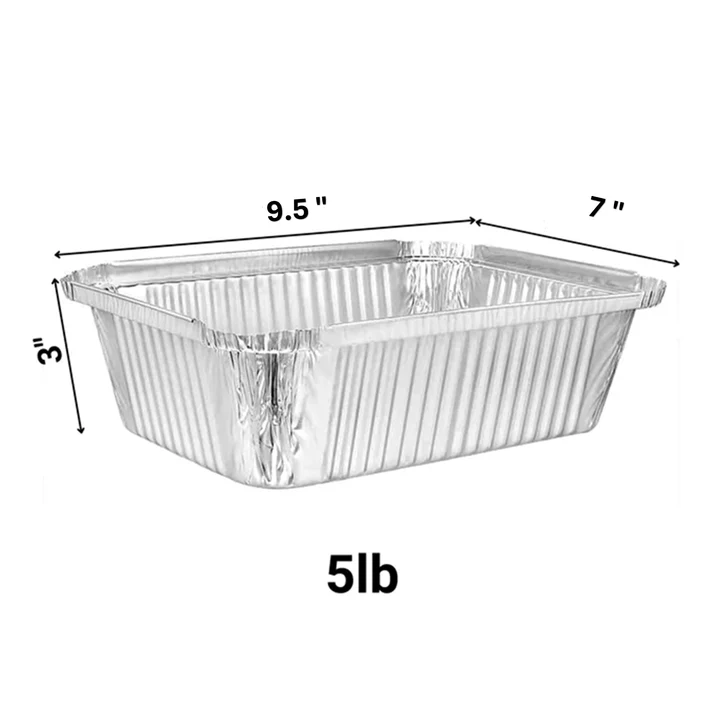
Many food businesses are now turning to disposable aluminum food containers for takeout and delivery services. These containers are particularly useful for hot meals, as they retain heat effectively while offering a sturdy structure for transportation.
Glass Containers
Glass is a premium packaging option that is 100% recyclable and reusable. It does not react with food, ensuring that taste and quality remain intact. This makes it ideal for beverages, sauces, and preserved foods.
On the downside, glass is heavier and more fragile than other materials, which can increase transportation costs and the risk of breakage.
Plant-Based Packaging (Bioplastics)
Bioplastics are made from renewable resources such as corn starch or sugarcane. These materials are designed to decompose under specific conditions, making them a more sustainable alternative to conventional plastics.
While they offer significant environmental benefits, proper disposal infrastructure is required to ensure they break down effectively.
Bagasse and Agricultural Waste Materials
Bagasse, a byproduct of sugarcane processing, is an increasingly popular packaging material. It is compostable, sturdy, and suitable for a wide range of food items.
Using agricultural waste not only reduces environmental impact but also adds value to materials that would otherwise be discarded.
Benefits of Switching to Sustainable Alternatives
Adopting sustainable packaging offers numerous advantages. It significantly reduces environmental impact by minimizing waste and conserving natural resources. Businesses can also enhance their brand image and attract eco-conscious customers.
In many regions, switching to sustainable packaging ensures compliance with environmental regulations, helping companies avoid fines or restrictions. Over time, these solutions can also become cost-effective as production processes improve and demand increases.
Challenges in Adopting Eco-Friendly Packaging
Despite the benefits, transitioning to sustainable packaging comes with challenges. The initial cost of eco-friendly materials can be higher than traditional plastic. Additionally, availability may be limited in certain regions.
Performance can also be a concern, as some alternatives may not offer the same durability or shelf life as plastic. Furthermore, proper recycling and composting systems are not always in place, which can limit the effectiveness of these solutions.
Businesses must carefully evaluate these factors when making the switch.
Tips for Businesses Transitioning to Sustainable Packaging
To successfully adopt sustainable packaging, businesses should start by assessing their specific needs. Different types of food require different packaging solutions, so it is important to choose materials that align with product requirements.
Partnering with reliable suppliers is essential to ensure quality and consistency. Educating customers about proper disposal methods can also improve the effectiveness of sustainable packaging efforts.
Finally, businesses should consider a gradual transition rather than an immediate overhaul. This approach allows for better cost management and smoother implementation.
Future Trends in Sustainable Food Packaging
The future of food packaging is driven by innovation and sustainability. New biodegradable materials are constantly being developed, offering improved performance and environmental benefits.
Smart packaging technologies, such as temperature-sensitive materials and freshness indicators, are also gaining traction. Additionally, the concept of a circular economy is encouraging businesses to design packaging that can be reused, recycled, or composted efficiently.
As regulations become stricter and consumer expectations continue to evolve, sustainable packaging will play an increasingly important role in the food industry.
Conclusion
The shift toward sustainable alternatives in food packaging is no longer optional it is essential. By reducing reliance on plastic and adopting eco-friendly materials, businesses can contribute to a healthier planet while meeting consumer demands.
Although challenges exist, the long-term benefits far outweigh the initial hurdles. Companies that embrace sustainable packaging today will be better positioned for success in the future, both environmentally and economically.