The Taj Mahal and Fatehpur Sikri are two of the most iconic landmarks in India, known for their rich history, architectural brilliance, and cultural significance. A Taj Mahal & Fatehpur Sikri Tour By Car offers an unparalleled opportunity to witness the splendor of India’s Mughal heritage, making it an essential experience for history lovers, culture enthusiasts, and families alike.
Located just a few hours apart in the northern state of Uttar Pradesh, the Taj Mahal in Agra and Fatehpur Sikri, the former Mughal capital, offer a glimpse into India’s glorious past. This guide will walk you through everything you need to know to make your tour to these awe-inspiring monuments an unforgettable experience.
Why Visit the Taj Mahal and Fatehpur Sikri?
The Taj Mahal and Fatehpur Sikri are not only two of the most famous historical sites in India but are also steeped in fascinating stories and architectural grandeur. Here’s why these destinations should be on every traveler’s bucket list:
-
Architectural Marvels: Both monuments are masterpieces of Mughal architecture. The Taj Mahal, with its white marble grandeur and intricate inlay work, is a symbol of eternal love. Fatehpur Sikri, the capital city of Emperor Akbar, showcases beautiful Mughal palaces, mosques, and courtyards built with red sandstone, each telling its own story.
-
Cultural Significance: The Taj Mahal represents a timeless love story between Emperor Shah Jahan and his beloved wife Mumtaz Mahal, while Fatehpur Sikri is a historical site that was once a bustling Mughal city, showcasing the political and religious evolution of the Mughal Empire under Akbar’s rule.
-
Close Proximity: The Taj Mahal in Agra and Fatehpur Sikri are located close to each other (about 40 kilometers apart). This makes them an excellent combination for a short and enriching day tour, offering a chance to visit two UNESCO World Heritage Sites in one trip.
-
A Rich Experience: This tour is perfect for families, history buffs, or anyone looking to experience India’s royal past. The grandeur and the stories behind these monuments will captivate both young and old alike.
Best Time to Visit the Taj Mahal & Fatehpur Sikri
Both Agra and Fatehpur Sikri experience hot summers and mild winters, so the best time to plan your tour would be during the cooler months:
-
Winter (October to March): This is the peak tourist season, with temperatures ranging from 10°C to 25°C, making it ideal for sightseeing. The weather is pleasant for outdoor activities, especially in Agra and Fatehpur Sikri.
-
Summer (April to June): The weather can be very hot, with temperatures soaring up to 40°C. While the crowds are fewer, it’s advisable to carry sun protection and stay hydrated if you choose to visit during this time.
-
Monsoon (July to September): The monsoon season brings heavy rains, which can disrupt travel plans. While the surroundings may become lush and green, it’s generally not the best time for a comfortable sightseeing tour.
Key Attractions on the Taj Mahal & Fatehpur Sikri Tour
Here’s a closer look at the must-see attractions during your Taj Mahal & Fatehpur Sikri tour:
The Taj Mahal: A Symbol of Love
-
The Main Mausoleum: The Taj Mahal, often regarded as one of the Seven Wonders of the World, is a white marble mausoleum built by Emperor Shah Jahan in memory of his wife Mumtaz Mahal. The intricate carvings, beautiful floral motifs, and stunning marble inlay work will leave you speechless.
-
The Reflecting Pool and Gardens: The Taj Mahal is set amidst vast, symmetrical gardens with a reflecting pool that mirrors the beauty of the mausoleum. Take a leisurely walk through the gardens, which are designed in the traditional Mughal style.
-
The Tombs: Inside the Taj Mahal, you’ll find the tombs of Shah Jahan and Mumtaz Mahal, though the actual graves are located in a lower chamber, preserved for visitors to see. The detailed craftsmanship of the interior is truly a marvel.
-
The Minarets and Viewpoints: The Taj Mahal’s four minarets stand tall, guarding the structure’s symmetry. From various points within the complex, including the southern gate, you can capture breathtaking photos of the Taj Mahal against the backdrop of the sky.
Fatehpur Sikri: The Mughal Ghost Town
-
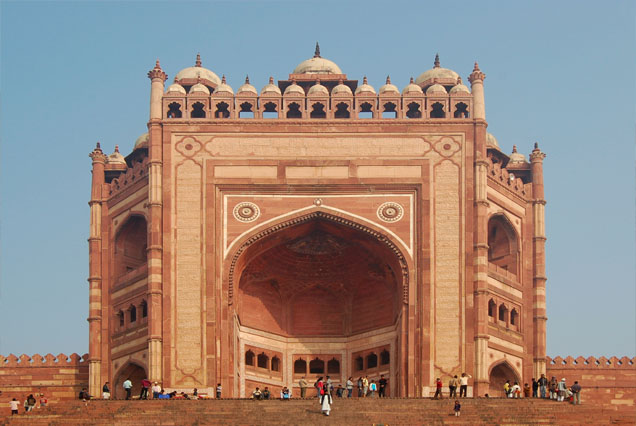
Buland Darwaza: The Buland Darwaza, or “Gate of Victory,” is the largest and most magnificent entrance to Fatehpur Sikri. Standing 40 meters tall, it was built by Emperor Akbar to commemorate his victory over Gujarat. The sheer scale and intricacy of the design make it a must-see.
-
Jama Masjid: This mosque, with its grand archways and central prayer hall, reflects the Mughal style of architecture at its best. It’s dedicated to Sufi Saint Salim Chishti and is an important religious site in the city.
-
Panch Mahal: This five-story palace was used by Emperor Akbar to entertain visitors and conduct royal affairs. Its open terraces offer a panoramic view of the surroundings, and the architectural design is a perfect blend of Persian and Indian styles.
-
Diwan-i-Khas: The Diwan-i-Khas (Hall of Private Audience) is famous for its central stone pillar, from which Akbar is said to have conducted meetings with his ministers and advisors. The unique design of this building highlights Akbar’s vision of a centralized, efficient government.
-
The Tomb of Salim Chishti: This tomb, dedicated to the revered Sufi saint, is a revered pilgrimage site. The tomb’s exquisite marble lattice work and serene surroundings make it a peaceful and spiritual stop on your tour.
How to Make the Most of Your Taj Mahal & Fatehpur Sikri Tour
To ensure you get the most out of your Taj Mahal and Fatehpur Sikri experience, here are some tips:
-
Plan Your Visit Early: The Taj Mahal can get crowded, especially during peak hours. Arriving early in the morning allows you to avoid the crowds, enjoy the cool morning air, and see the Taj Mahal in the soft glow of the early sun. Fatehpur Sikri also gets crowded, so early arrival will give you a more peaceful experience.
-
Hire a Guide: A knowledgeable local guide can provide fascinating historical context about the Taj Mahal and Fatehpur Sikri, adding depth to your experience. They will also ensure that you don’t miss any hidden gems within these monuments.
-
Dress Comfortably: There’s quite a bit of walking involved in both sites, so wear comfortable shoes and lightweight clothing. If you’re visiting during the summer months, be sure to carry a hat and sunscreen.
-
Photography Tips: The Taj Mahal is one of the most photographed monuments in the world, so make sure to bring a camera or smartphone to capture its beauty. However, be mindful of the rules at Fatehpur Sikri, where photography may be restricted in certain areas.
-
Stay Hydrated: The heat in Agra and Fatehpur Sikri can be intense, particularly during summer. Carry water with you and make regular stops to hydrate.
Best Taj Mahal & Fatehpur Sikri Tour Packages
When booking a Taj Mahal & Fatehpur Sikri tour, look for packages that offer:
-
Guided Tours: A knowledgeable guide will enhance your experience and help you appreciate the historical significance of these monuments.
-
Transportation: Choose a package that includes private transportation, especially if you are traveling with family, to make your trip more comfortable.
-
Full Day Tours: These tours typically cover both Taj Mahal and Fatehpur Sikri, ensuring you have enough time to explore both sites thoroughly.
-
Optional Add-Ons: Many packages include additional experiences like visiting the Mehtab Bagh, which offers a stunning view of the Taj Mahal across the Yamuna River, or lunch at a local restaurant serving authentic Mughlai cuisine.
You can book it at Indian Private Driver
Go to home