Termite treatment costs can vary widely from one property to another. Two homes on the same street may require very different solutions, even if both have termite activity. That’s because termite treatment isn’t a one-size-fits-all service. The final cost depends on a combination of environmental, structural, and infestation-related factors.
Understanding what influences termite treatment pricing helps property owners make informed decisions and avoid surprises when comparing quotes.
1. Type of Termites Present
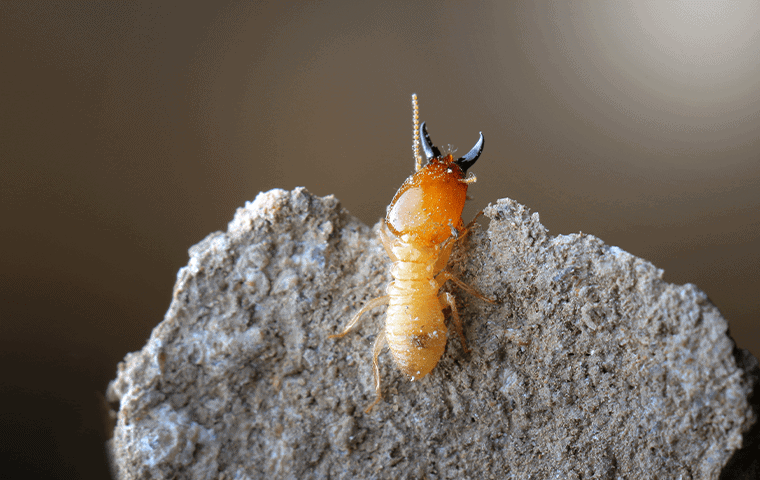
Different termite species behave differently, and this directly affects treatment complexity. Subterranean termites, which live underground and access structures through soil, usually require more extensive treatment than drywood termites that live inside timber.
Subterranean colonies are often larger and harder to locate, requiring treatments that address both the structure and surrounding soil. This typically increases treatment time, materials used, and overall cost.
2. Size of the Property
Property size is one of the most significant pricing factors. Larger homes have more ground area, longer perimeters, and more timber components that may need inspection and treatment.
A small unit or townhouse will generally cost less to treat than a large standalone home, particularly if the treatment involves installing a chemical barrier or multiple bait stations around the property.
3. Extent of the Infestation
Early-stage infestations are usually less expensive to treat than advanced ones. If termites are detected early and activity is limited to one area, targeted treatment may be sufficient.
However, widespread infestations that have spread through multiple sections of the building often require more comprehensive solutions. Severe infestations may also involve follow-up visits, ongoing monitoring, and additional treatments, all of which increase costs.
4. Treatment Method Used
The chosen treatment method plays a major role in determining cost. Common termite treatment options include:
-
Chemical soil barriers, which involve applying termiticides around and beneath the structure
-
Baiting systems, which require installation and ongoing monitoring
-
Reticulation systems, often installed during construction or renovations
Each method has different material, labour, and time requirements. Barrier treatments may have higher upfront costs, while baiting systems may involve ongoing servicing fees over time.
5. Accessibility of the Property
Ease of access can significantly affect treatment pricing. Properties with clear access to subfloors, external walls, and soil areas are generally quicker and less costly to treat.
Homes with limited access, such as tight crawl spaces, complex landscaping, concrete paths, or built-in structures, often require additional labour and specialised equipment. This increases the time required on-site and, in turn, the overall cost.
6. Construction Type and Materials
The way a property is built also impacts termite treatment costs. Homes with extensive timber framing, raised floors, or older construction methods may be more vulnerable to termite activity and require more detailed treatment.
Slab-on-ground homes, split-level designs, or properties with extensions may require customised treatment plans, which can increase costs compared to standard layouts.
7. Location and Environmental Conditions
Environmental factors play a major role in termite behaviour and treatment requirements. Properties located near bushland, waterways, gardens, or areas with high moisture levels tend to face higher termite pressure.
Soil type also affects how treatments are applied. Some soils require higher volumes of treatment product or specialised application techniques to achieve effective protection, which can influence pricing.
8. Preventative vs Reactive Treatment
Preventative treatments, such as installing barriers or monitoring systems before termites are detected, often cost less over the long term than reactive treatments for active infestations.
Reactive treatments typically involve more labour, more product, and greater urgency, especially if damage has already occurred. Preventative strategies are designed to reduce risk rather than respond to damage after the fact.
9. Ongoing Monitoring and Maintenance
Some termite treatments include ongoing inspections, monitoring, and warranty periods. While these services may increase the initial quote, they offer long-term value by reducing the likelihood of reinfestation.
Baiting systems, in particular, rely on regular monitoring to remain effective. The cost of these follow-up visits is often factored into treatment plans.
10. Professional Expertise and Equipment
Professional termite treatment involves specialised training, equipment, and licensed products not available through retail channels. Experienced technicians assess risk factors, termite behaviour, and structural vulnerabilities to design an effective treatment plan.
While professional services may cost more upfront than DIY attempts, they provide accurate detection, targeted treatment, and long-term protection—reducing the risk of repeat infestations and costly repairs.
Final Thoughts
The cost of termite treatment is influenced by far more than just the presence of termites. Property size, infestation severity, treatment method, access conditions, construction type, and environmental factors all play a role in determining the final price.
Rather than focusing solely on cost, it’s important to consider the effectiveness and longevity of the treatment. A properly tailored termite treatment plan not only addresses current activity but also helps safeguard the property against future infestations, making it a worthwhile investment in the long-term protection of your home or building.