Starting your first phlebotomy course can feel both exciting and a little nerve-wracking. Whether you’re looking to develop clinical skills, get hands-on cannulation training, or pursue a career in healthcare, this guide will walk you through what to expect, tips to prepare, and how to make the most out of your learning experience.
Understanding the Basics of a Phlebotomy Course
A phlebotomy course teaches you how to draw blood safely, handle specimens, and interact with patients professionally. You will learn essential clinical skills that are crucial in hospitals, clinics, and laboratories. Many beginners worry about making mistakes, but remember, every expert started where you are now.
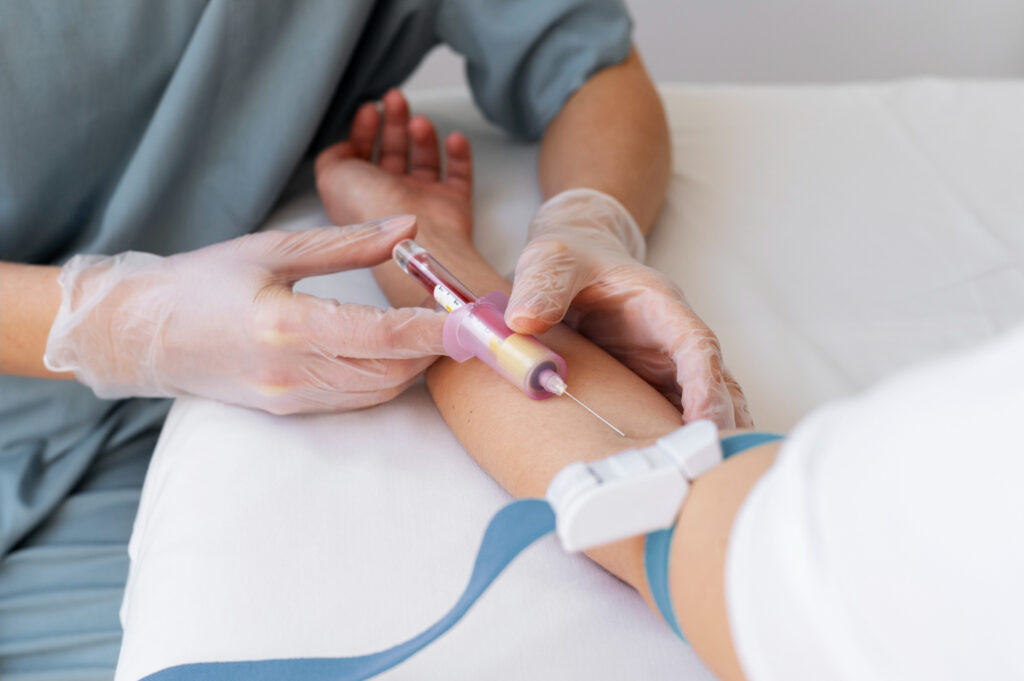
During the course, you will cover techniques such as venepuncture training, proper hygiene, and using the right equipment. You’ll also practice cannulation training, which allows you to insert IVs effectively. Don’t worry if it feels tricky at first; repeated practice is the key.
What Happens on Your First Day
When you arrive for your first day, expect a mix of theory and practical sessions. Trainers usually start with a brief introduction to clinical skills and safety protocols. You might review patient identification, infection control, and how to manage any complications.
Many courses, including phlebotomy course NHS options, emphasize practical learning from day one. You’ll likely practice on mannequins before progressing to real patient scenarios. Hands-on practice builds confidence and ensures you understand the nuances of proper blood collection.
Tips for Your First Day
- Dress appropriately: Comfortable clothes and closed shoes are ideal.
- Bring your essentials: Notebook, pens, and any course-provided materials.
- Be prepared to ask questions: Trainers appreciate curiosity and engagement.
The Hands-On Experience
Practical sessions are where the real learning happens. In cannulation training and venepuncture training, you will learn how to:
-
Select the right veins
-
Prepare the patient
-
Insert needles safely and correctly
-
Label and store blood samples
Remember, making small mistakes during practice is normal. The goal is to gain confidence before working with real patients. Sharing stories with fellow students often helps; many beginners find it reassuring to hear how others initially struggled with the same tasks.
Key Clinical Skills You’ll Gain
Your phlebotomy course will equip you with clinical skills that extend beyond blood collection. These include:
-
Patient communication and bedside manner
-
Infection control and hygiene practices
-
Handling and labeling samples
-
Emergency response techniques for complications
These skills are crucial for anyone working in healthcare and are often highlighted in NHS training courses phlebotomy.
Common Challenges for Beginners
Starting out, you might face some challenges:
-
Feeling nervous around patients
-
Difficulty locating veins
-
Managing accidental blood spills
These challenges are completely normal. Trainers provide guidance, and repeated practice during phlebotomy course NHS programs or private courses helps overcome them. Remember, confidence grows with experience.
Tips to Succeed in Your Phlebotomy Course
-
Practice regularly: Use mannequins or simulation kits to improve technique.
-
Ask for feedback: Trainers can provide valuable insights to refine your skills.
-
Stay patient-focused: Communicate with patients calmly and confidently.
-
Study theory alongside practice: Understanding anatomy and physiology supports your hands-on learning.
-
Engage with peers: Learning alongside others creates a supportive environment.
Career Benefits After Completing a Phlebotomy Course
Completing your first phlebotomy course opens doors to many healthcare opportunities. Whether you aim to work in hospitals, clinics, or laboratories, your clinical skills and cannulation training will make you a valuable team member. Some graduates pursue further specialization in areas like venepuncture training, pathology, or even advanced nursing roles.
For those looking to join the NHS, completing a phlebotomy course NHS or nhs training courses phlebotomy can provide recognized certification and credibility, making it easier to secure a role in healthcare.
Making the Most of Your Learning Experience
Engage fully during your phlebotomy course. Take notes, ask questions, and observe experienced trainers. Share your experiences with peers; discussing techniques can enhance retention. If possible, supplement your course with online resources or additional clinical skills practice sessions.
Many students find keeping a reflective journal helpful. Document your progress, challenges, and successful techniques. This personal touch not only tracks improvement but also boosts confidence as you see tangible growth in your abilities.
Conclusion
Your first phlebotomy course is an exciting step toward a rewarding healthcare career. By focusing on clinical skills, cannulation training, and venepuncture training, you’ll gain the confidence and competence needed to succeed. Remember, every expert was once a beginner. Be patient, practice regularly, and don’t hesitate to seek guidance. Soon, you’ll find yourself handling procedures smoothly and making a positive impact in patient care.
Whether you’re aiming for phlebotomy course NHS recognition or exploring NHS training courses phlebotomy, this journey equips you with skills that matter. Embrace the experience, and enjoy every step of your learning.