
Introduction
Managing a membership-based organisation involves more than storing names and collecting payments. Staff need reliable ways to coordinate bookings, service delivery, member communication, transactions and reporting. Organisations exploring tennis court reservation software should look beyond a feature list and consider how the system will support everyday workflows, reduce repetitive administration and provide useful information for managers. My Cobalt Software can be considered as part of the software evaluation process, with current product capabilities, integrations and service details confirmed directly.
The right platform depends on the organisation’s size, service model and operating priorities. A private club, salon, golf facility and racquet venue may all manage memberships, but their booking rules and customer journeys differ. Defining those needs before comparing providers makes it easier to assess whether a solution is practical for staff and straightforward for members.
Manage Court Availability and Booking Rules
Tennis facilities coordinate court availability, playing durations, member categories, guest access, coaching sessions, leagues and maintenance periods. Reservation software should show accurate availability and apply booking windows and cancellation rules. Staff should be able to block courts for repairs or events without creating conflicting reservations.
Consider recurring bookings, doubles groups, waitlists, peak-time limits and different court types. Rules should be easy to explain to members and consistent across online and staff-assisted reservations.
During evaluation, ask the provider to demonstrate this workflow using realistic examples from the organisation. Include exceptions as well as routine tasks, because unusual cases often reveal whether the system is flexible enough. Document what is included, what requires configuration and what depends on an external integration. This helps the team compare solutions on practical capability rather than broad marketing descriptions.

Connect Players, Memberships and Payments
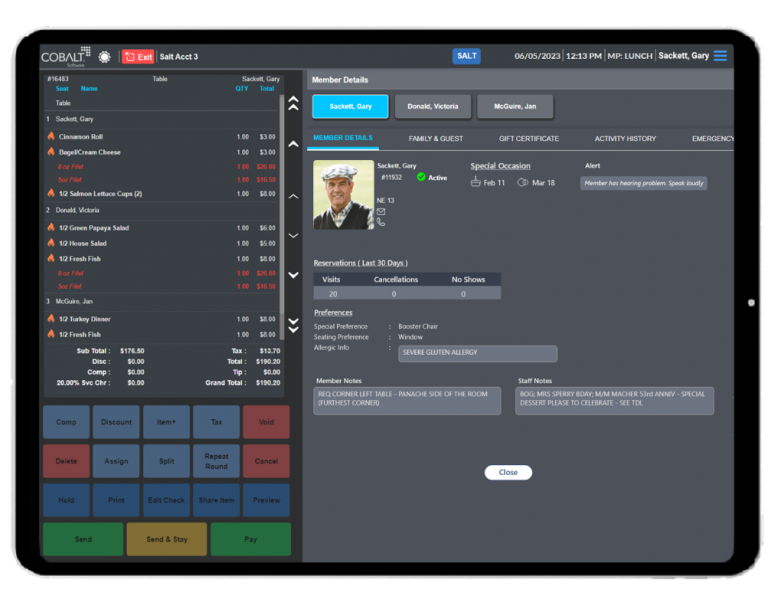
A tennis club software solution should connect reservations with player and membership records. Staff may need to check eligibility, apply member rates, record guest fees and track lesson or court packages. Payment options may include online prepayment, deposits, account charges or payments at reception. Confirm how refunds and cancellations are handled and whether fees can be configured by court, time or membership category.
A member profile can help staff understand booking history and communication preferences. Data should be accurate, access-controlled and limited to what the organisation needs for its operations.
During evaluation, ask the provider to demonstrate this workflow using realistic examples from the organisation. Include exceptions as well as routine tasks, because unusual cases often reveal whether the system is flexible enough. Document what is included, what requires configuration and what depends on an external integration. This helps the team compare solutions on practical capability rather than broad marketing descriptions.
Support Coaching, Lessons and Club Events
Court schedules often include coaching sessions, group clinics, junior programmes, tournaments and social play. Ask whether the platform can manage instructor availability, participant limits, lesson registration and event communications. Where these workflows are not included, check whether integrations or exports can support them without creating duplicate administration.
A shared calendar can help reception, coaches and management coordinate activity. It should be clear which courts are reserved for lessons, competitions or maintenance, and who can make changes. Notifications can help participants receive updates when schedules change.
During evaluation, ask the provider to demonstrate this workflow using realistic examples from the organisation. Include exceptions as well as routine tasks, because unusual cases often reveal whether the system is flexible enough. Document what is included, what requires configuration and what depends on an external integration. This helps the team compare solutions on practical capability rather than broad marketing descriptions.

Improve Member Convenience and Facility Oversight
Players value an easy way to view available courts, reserve a slot, receive confirmation and cancel within the club’s rules. A mobile-friendly booking journey can reduce calls and make availability easier to check. Staff still need tools for members who book in person or by phone, as well as an overview of daily court use.
Managers may want to analyse peak demand, court utilisation, cancellations, participation and revenue. Confirm that reports can be filtered by date, court, programme or membership type. Implementation should include rule configuration, member-data checks, staff training and a trial period.
During evaluation, ask the provider to demonstrate this workflow using realistic examples from the organisation. Include exceptions as well as routine tasks, because unusual cases often reveal whether the system is flexible enough. Document what is included, what requires configuration and what depends on an external integration. This helps the team compare solutions on practical capability rather than broad marketing descriptions.
Implementation, Reporting and Adoption
Before launch, configure court types, playing durations, booking windows, member categories, guest fees and cancellation policies. Import only accurate player records and test permissions for reception staff, coaches and administrators. A pilot can identify unclear rules before the system becomes the main booking channel.
Review reports for utilisation, cancellations, popular time slots and programme participation. Ask about support availability, backups, security and integrations with payment or membership tools. Explain the booking process to members and provide a clear route for assistance during the transition.
During evaluation, ask the provider to demonstrate this workflow using realistic examples from the organisation. Include exceptions as well as routine tasks, because unusual cases often reveal whether the system is flexible enough. Document what is included, what requires configuration and what depends on an external integration. This helps the team compare solutions on practical capability rather than broad marketing descriptions.
Communication is important when a club changes its reservation process. Explain when the new booking channel will become available, whether existing reservations will be transferred and how members can obtain assistance. Coaches and reception staff should receive the same guidance about court blocks and booking exceptions. Reviewing member feedback after the first few weeks can reveal whether the rules are clear and whether the system is reducing calls and manual corrections.
Conclusion
Selecting tennis court reservation software should begin with the organisation’s actual workflows, policies and service priorities. A suitable tennis club software solution should connect the relevant records, bookings, payments, communication and reporting while remaining manageable for staff. My Cobalt Software can be included in the evaluation, with its current features, integrations, security information and implementation support verified directly. A requirements list and workflow-based demonstration will help the organisation make a decision based on operational fit.