We understand the excitement of growing your online store, but growth can sometimes reveal challenges that the initial launch didn’t make apparent. An online store that was optimized for a small number of SKUs, orders, or simple consumer experience, might not scale well when things grow.
By this point, the conventional ecommerce system may not offer everything a developing brand needs.
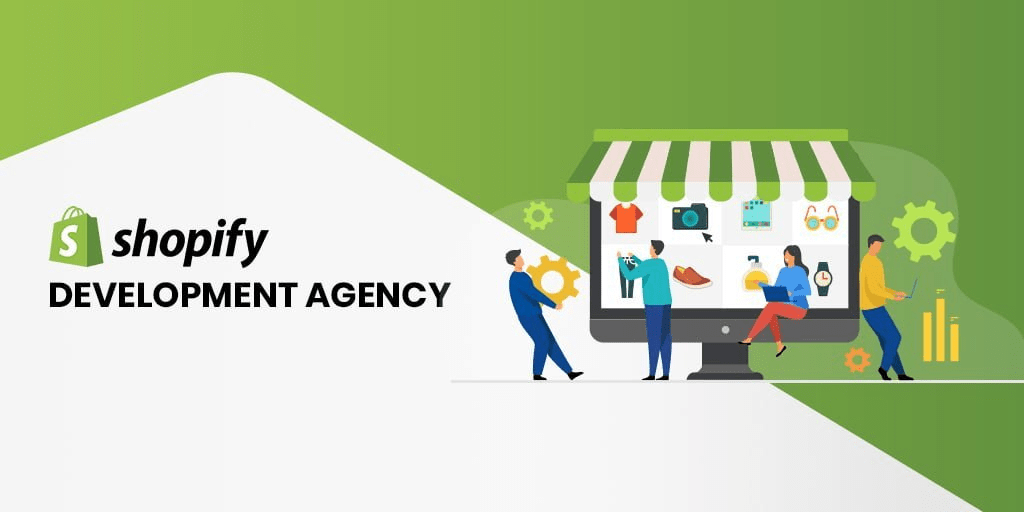
Custom Shopify development allows brands to develop a website that complements their unique business needs. Whether it’s customized website design or complex integrations, working with a dedicated partner can enable your online store to scale.
Every company looking at their next stage of growth should be aware of the development options available to them.
Why Custom Shopify Development is the Need of Growing Brands
All ecommerce companies are unique. A clothing retailer might require more advanced product filtering and size recommendations, while a wholesale vendor would want customer-specific pricing and bulk ordering.
Standard themes and applications will meet many, though perhaps not all, of the needs.
Custom development gives companies the ability to upgrade their storefront without making the entire business conform to a standard layout.
Some common development requirements include:
- Custom storefront layouts and product pages.
- Advanced product filtering and search.
- Third-party software integrations.
- Custom checkout and purchasing experiences where supported.
- Inventory and order management improvements.
- Personalized shopping features.
The right combination depends on the company’s business model, customer expectations, and technical requirements.
What Shopify Development Agencies Bring to the Table
Skilled shopify Development companies assist services design, develop, and preserve their ecommerce shops.
Their workflow typically starts from concepts such as the goal of the brand, the existing technology, customer journey and issues.
More often than not, a competent agency weighs which enhancements will truly benefit the company prior to suggesting custom features.
1. Design and Development of a Customized Store
The overall look of a store guides the shopper through the pathway of the buying experience.
On the other hand, Custom Shopify Development can be used to develop a store that represents the identity of the brand and also offers an easier end-user experience.
For example this includes: flexible and user friendly layouts, information about products that is easily navigated and thoughtfully designed collection pages.
A consistent experience across desktop and mobile devices is particularly important because customers may browse and purchase through different devices.
2. Ecommerce Integrations
Growing brands often use multiple tools to manage their operations.
Examples would be CRM solutions, inventory packages, accounts packages, logistics providers and marketing automation solutions.
Shopify integrations can eliminate manual work, and can help information flow between systems.
That being said, integrations should be used sparingly. Spamming apps increases costs, makes maintenance more difficult, and can hinder storefront speed.
3. Performance and Scalability
As an e-shop expands, the technical underpinnings of the store end up being a growing number of vital.
Developers must pay attention to images, delivery, speed, theme performance, app utilization, responsive design, and performance of the storefront.
Shopify manages the hosting infrastructure, but the way each store is configured affects what customers experience.
Routine testing and maintenance allow for early detection of problems before they can impact sales.
When Shopify Plus Is the Answer

Shopify Plus is the enterprise version of Shopify’s commerce platform, designed for higher volume merchants and custom businesses.
May be particularly effective for mature brands that use intricate sales processes, several markets, or that target other businesses.
Based on the features available in your current plan and how it’s configured, Shopify Plus can provide you with more robust commerce workflows.
Benefits of Shopify Plus for Growing Businesses
One of its biggest strengths is that it handles more complex business processes.
Various automation tools are at your disposal that companies can put to good use automate various tasks, enhance internal operations, and eliminate the need to perform certain tasks manually.
In addition to B2C ecommerce, Shopify Plus also enables B2B (business to business) commerce so qualified merchants can utilize tools that allow wholesale buying and business customer functions.
Market-specific storefront experiences and selling features for cross-border selling are also useful for a business that is growing into global markets.
Yet, Shopify Plus may not always be the ideal fit for a scaling business. You should consider your revenue, business complexity, technical needs, and the overall platform costs prior to upgrading.
How to Choose the Right Development Partner
Working with a development partner is a key business choice.
Choose an agency that has a history of Shopify projects, a transparent development methodology, and who can provide examples of past work.
Prior to beginning a project, it would be nice to touch on:
Experience with similar ecommerce businesses.
Custom theme development capabilities.
Integration and migration experience.
Testing, security, and maintenance procedures.
Communication and post-launch support.
But a good agency will also clarify what new code is needed, and what can be achieved without custom code, using the features that Shopify has built-in.
It helps to avoid any overspending and stays clear of a near-theoretic undertaking.
Potential Development Challenges to be aware of
You may have more developer time and budget for a custom ecommerce project than you do on a standard theme.
Some integrations might also need extra testing and can require further effort for upkeep.
Another difficulty is excessive customization. Store features may be implemented simply because they appear to be ‘good ideas’ without being necessarily beneficial for the store or for its customers.
The right approach is to select features based on customer requirements and business objectives.
Begin with enhancements that address genuine use cases, then continue to add features as your company evolves.
Conclusion
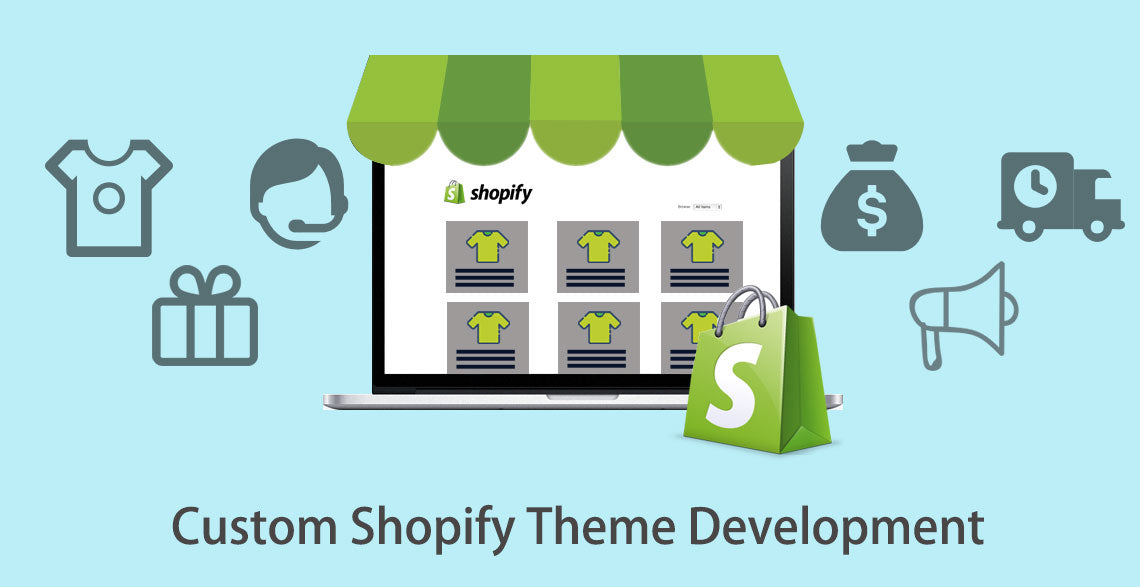
Custom Shopify development gives growing brands the flexibility to create ecommerce experiences that match their products, customers, and operational needs.
By working with experienced Shopify development agencies, businesses can build more efficient storefronts, connect essential systems, and prepare for future expansion.
For brands with more advanced commerce requirements, Shopify Plus can provide additional capabilities worth evaluating.
The most successful ecommerce solution is not necessarily the most complicated one. It is the one that makes purchasing easier for customers while helping the business operate more effectively.