
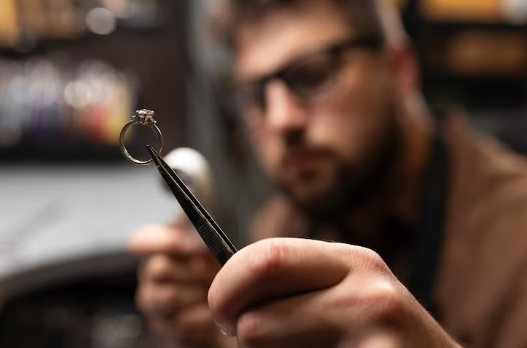
Jewelry is not just an accessory; it’s an expression of style, a symbol of love, and often, a significant investment. Over time, even the most cherished pieces—gold rings, silver necklaces, and sparkling diamond earrings—can lose their luster due to dirt, oils, and environmental factors. Proper Jewelry cleaning is essential not only to restore the shine but also to maintain the durability and value of your jewelry. This comprehensive guide explores effective, safe methods for cleaning gold, silver, and diamond pieces, ensuring that your jewelry always looks its best.
Understanding Jewelry Materials
Before diving into cleaning techniques, it’s important to understand the characteristics of different types of jewelry. Gold, silver, and diamonds each have unique properties that influence the best cleaning methods.
-
Gold: Gold is a soft, non-reactive metal, which makes it resistant to rust but prone to scratching. Pure gold is less common in jewelry; instead, gold alloys such as 14k and 18k are used. These alloys contain other metals, affecting how you clean them.
-
Silver: Silver is a beautiful, reflective metal, but it tarnishes easily due to oxidation. Silver jewelry often contains small amounts of copper to increase durability, which can darken over time.
-
Diamonds: Diamonds are the hardest natural substance, which makes them highly durable. However, their brilliance can be diminished by oils from the skin, dirt, and residue from cleaning solutions. Diamonds are often set in gold or silver, so care must be taken to clean both the stone and the metal setting.
Understanding these distinctions helps in choosing the right cleaning approach, preventing damage, and prolonging the life of your jewelry.
General Tips Before Cleaning Jewelry
-
Avoid Harsh Chemicals: Many household cleaners contain bleach, ammonia, or acids that can damage metal and gemstones. Always opt for gentle solutions.
-
Inspect Your Jewelry: Check for loose stones or weak clasps before cleaning. Aggressive cleaning can dislodge a loose stone or damage delicate settings.
-
Use Soft Tools: Avoid abrasive brushes or cloths. Soft microfiber cloths, soft-bristle toothbrushes, and cotton swabs are ideal.
-
Separate Metals and Gemstones: Different metals react differently to cleaning agents, and mixing them can sometimes cause discoloration or damage.
With these precautions in mind, you can safely proceed to clean each type of jewelry.
How to Clean Gold Jewelry
Gold jewelry, whether yellow, white, or rose gold, benefits from gentle cleaning that preserves its shine without scratching the surface.
Materials Needed:
-
Mild dish soap
-
Warm water
-
Soft cloth or microfiber cloth
-
Soft-bristle toothbrush
Steps to Clean Gold Jewelry:
-
Prepare a Cleaning Solution: Mix a few drops of mild dish soap into a bowl of warm water. Avoid using hot water, which can damage some gemstones.
-
Soak the Jewelry: Place your gold pieces in the solution for 15–20 minutes. This helps loosen dirt and oils that accumulate over time.
-
Gently Brush: Use a soft-bristle toothbrush to clean intricate designs, settings, and hard-to-reach areas. Brush lightly to avoid scratching.
-
Rinse Thoroughly: Rinse the jewelry under lukewarm running water to remove soap residues. Make sure the drain is covered to prevent accidents.
-
Dry Carefully: Pat dry with a soft cloth and let the jewelry air-dry completely before wearing or storing it.
Tip: For white gold, occasional polishing with a jewelry cloth can help maintain its bright, silvery finish.
How to Clean Silver Jewelry
Silver jewelry is prone to tarnishing due to reactions with sulfur compounds in the air. Regular cleaning can prevent discoloration and maintain its reflective shine.
Materials Needed:
-
Mild dish soap
-
Warm water
-
Baking soda or commercial silver polish (optional)
-
Soft cloth or microfiber cloth
-
Soft-bristle toothbrush
Steps to Clean Silver Jewelry:
-
Soap and Water Method: Mix mild dish soap with warm water and soak your silver jewelry for 10–15 minutes.
-
Gently Brush: Use a soft-bristle toothbrush to remove dirt from intricate patterns and crevices.
-
Rinse and Dry: Rinse with lukewarm water and pat dry with a microfiber cloth.
-
For Tarnish: Create a paste using three parts baking soda and one part water. Apply the paste with a soft cloth, gently rub, and rinse thoroughly. Commercial silver polishes are also effective for heavy tarnish.
Tip: Store silver jewelry in anti-tarnish bags or cloth to reduce oxidation when not in use.
How to Clean Diamond Jewelry
Diamonds, while extremely durable, can lose their brilliance if coated with oils or grime. Cleaning should focus on both the stone and the metal setting.
Materials Needed:
-
Mild dish soap
-
Warm water
-
Soft-bristle toothbrush
-
Soft cloth
Steps to Clean Diamond Jewelry:
-
Prepare a Cleaning Solution: Combine mild dish soap with warm water. Soak diamond jewelry for 15–20 minutes.
-
Brush Gently: Use a soft toothbrush to clean the diamond, especially around the prongs and setting where dirt accumulates.
-
Rinse Thoroughly: Rinse under lukewarm water to remove all residues.
-
Dry Carefully: Pat dry with a soft cloth. Avoid paper towels, which can scratch the metal.
Tip: Avoid harsh chemical cleaners or ultrasonic cleaners for diamonds set in fragile settings. Always inspect prongs and clasps for stability before and after cleaning.
Homemade Jewelry Cleaning Solutions
For those who prefer DIY methods, simple household ingredients can effectively clean most jewelry:
-
Dish Soap and Warm Water: Safe for gold, silver, and diamonds.
-
Baking Soda Paste: Ideal for tarnished silver. Mix with water, apply gently, and rinse thoroughly.
-
White Vinegar: Can be used for gold jewelry. Soak for a few minutes and brush lightly. Avoid vinegar on diamonds with delicate settings or other metals.
-
Ammonia Solution: Use sparingly for diamonds. Mix one part ammonia with six parts water and soak the diamond briefly. Rinse and dry immediately.
Homemade solutions are generally safe when used carefully, but it’s important to always rinse thoroughly to avoid residue that can dull the jewelry.
Professional Jewelry Cleaning
While home cleaning methods work for routine maintenance, professional cleaning is recommended periodically. Jewelers have specialized tools, ultrasonic cleaners, and polishing machines that can safely restore jewelry to its original shine. Additionally, professionals can inspect for loose stones, worn prongs, or other potential issues, ensuring the longevity of your pieces.
Tip: Schedule professional cleaning at least once a year, or more often for frequently worn pieces.
Jewelry Maintenance Tips
Regular maintenance helps prevent buildup of dirt, oils, and tarnish. Here are some practical tips:
-
Remove jewelry before swimming, exercising, or using household cleaners.
-
Store jewelry in separate compartments to avoid scratches.
-
Wipe jewelry with a soft cloth after each wear to remove oils and sweat.
-
Avoid exposing jewelry to perfumes, lotions, and cosmetics.
By incorporating these habits into your routine, your jewelry will retain its brilliance for years.
Conclusion
Keeping your gold, silver, and diamond Jewelry cleaning is essential to preserving both its beauty and value. Gentle, regular cleaning removes oils, dirt, and tarnish that naturally accumulate over time, while proper storage and maintenance prevent unnecessary damage. Each material—gold, silver, and diamond—requires specific care, and understanding the properties of your jewelry helps ensure safe and effective cleaning. Whether using home remedies or professional services, maintaining a consistent cleaning routine will keep your treasured pieces sparkling and elegant, allowing you to enjoy them for generations. Jewelry is more than an accessory; it is a reflection of personal style and cherished memories, and taking the time to care for it properly ensures that it continues to shine brightly in every moment.