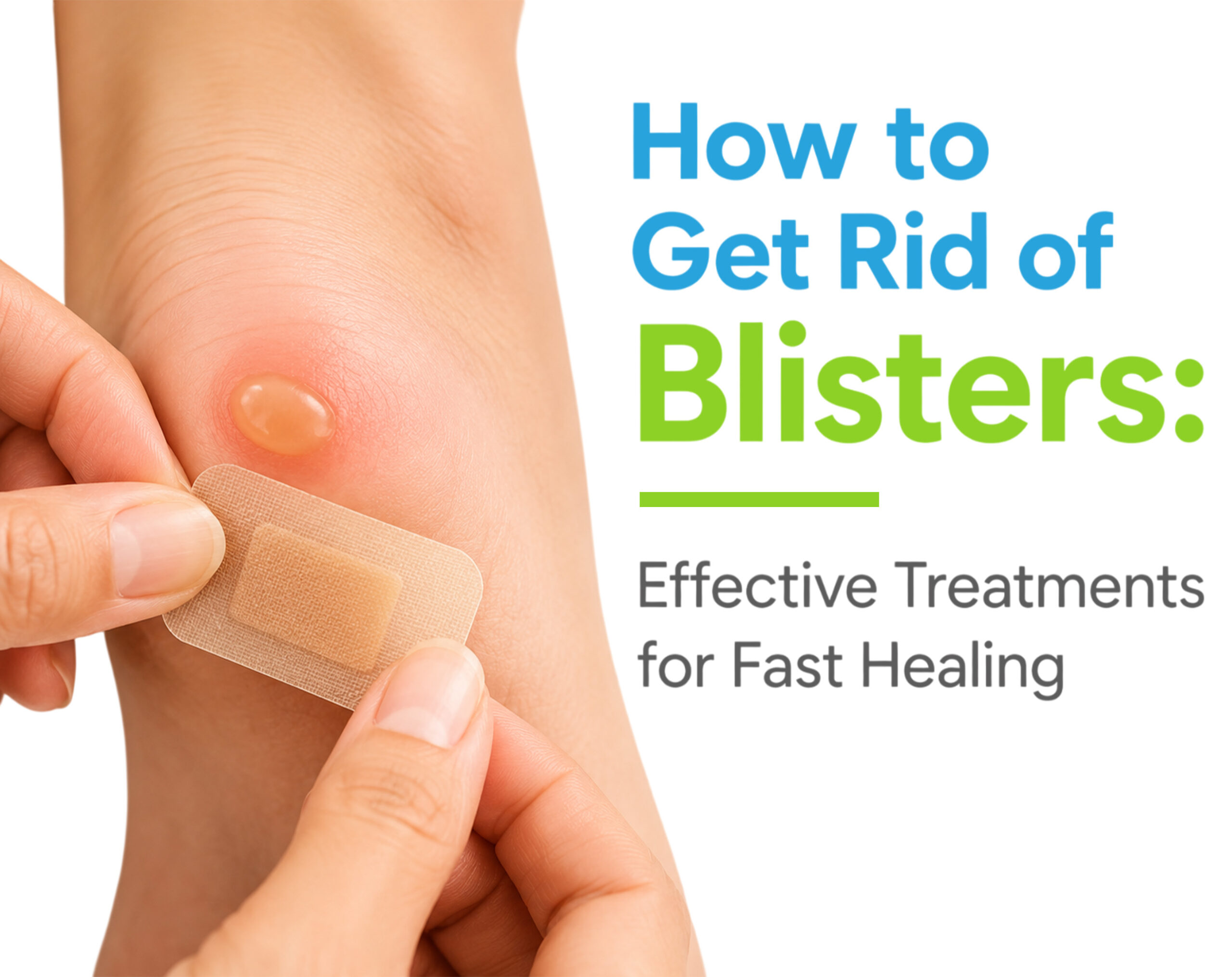
Friction blisters are among the most common skin injuries, usually appearing on the feet, heels, or hands after repetitive rubbing, pressure, or moisture exposure. Whether caused by breaking in new shoes, hiking long distances, or manual labor, these fluid-filled sacs form as a natural defense mechanism. The upper layer of damaged epidermis separates from lower skin layers, allowing serum to collect underneath to cushion and protect the underlying tissue.
While most small blisters heal naturally within one to two weeks, improper care such as picking off roof skin or popping them with unsterilized tools can lead to severe bacterial infections.
This clinical guide outlines how to treat blisters safely, when draining them is medically acceptable, and how to protect your skin to speed up recovery.
Should You Pop a Blister or Leave It Intact?
The fundamental rule of blister care is simple: leave intact blisters unbroken whenever possible. The natural skin roof acts as a sterile, biological bandage that protects vulnerable raw tissue from dirt, bacteria, and friction.
However, treatment approaches depend on the size, location, and severity of the fluid buildup.
[ Unbroken Small Blister ] ➔ Cover with bandage ➔ Allow natural absorption
[ Large / Painful Blister ] ➔ Sterile drainage ➔ Leave roof intact ➔ Antiseptic + Dressing
[ Torn / Popped Blister ] ➔ Clean with saline ➔ Smooth roof flat ➔ Hydrocolloid dressing
When to Keep It Intact:
- Small or painless blisters: Small intact blisterson the feet or body should remain covered with a protective bandage or moleskin. The fluid inside will gradually reabsorb into the body as new skin forms underneath.
When Sterile Drainage May Be Necessary:
- Large, tense, or painful blisters: If a fluid-filled lesion is located on a high-pressure point (like the sole of the foot or heel) and prevents normal walking, controlled sterile draining can reduce pain and prevent a high-pressure rupture that tears the skin roof away completely.
Step-by-Step Guide to Safely Draining a Painful Blister
If a blister is too painful to leave intact, follow these strict hygienic steps to drain the fluid while preserving the overlying skin roof:
- Clean Your Hands and the Affected Area: Wash your hands thoroughly with warm water and antibacterial soap. Clean the blister and surrounding skin with alcohol wipes or an antiseptic solution.
- Sterilize a Needle: Take a clean sewing needle or safety pin and sterilize it completely using rubbing alcohol. Do not flame the needle, as carbon deposits can irritate the wound.
- Puncture the Edge Carefully: Gently pierce the outer edge of the blister near its base in one or two spots. Allow the clear fluid (serum) to drain out naturally.
- Preserve the Skin Roof: Do not peel away the loose skin covering the blister. Smooth the skin roof flat against the underlying wound bed; it serves as a protective layer during initial tissue repair.
- Apply Antiseptic and Dress the Wound: Apply plain petroleum jelly or an over-the-counter antibiotic ointment, then cover the area securely with a non-stick sterile bandage or hydrocolloid patch.
For detailed wound-care protocols and step-by-step instructions on treating ruptured friction lesions, read the comprehensive guide on how to get rid of blisters safely, which covers dressing selection and infection prevention strategies.
Managing Open or Ruptured Blisters
If a blister pops on its own or tears open during physical activity, treating it like an open wound is essential to prevent infection and encourage rapid re-epithelialization.
Recommended Protocol for Open Skin Lesions:
- Rinse with Mild Saline or Water: Clean the area gently with sterile saline solution or warm water and mild soap. Avoid harsh chemicals like hydrogen peroxide or rubbing alcohol directly inside an open wound, as they damage delicate new tissue.
- Trim Loose Flaps Only: If loose skin is ragged and dirty, carefully trim away the dead edges with sterilized manicure scissors. Leave as much flat skin intact as possible.
- Use Advanced Wound Dressings: Hydrocolloid dressings are highly effective for open friction wounds. They create a moist healing environment, absorb excess fluid, reduce friction, and shield nerve endings to relieve pain instantly.
Comparison of Common Blister Dressings
Selecting the correct dressing speeds up healing and reduces pain during daily movement.
| Dressing Type | Best Used For | Key Advantage | Application Consideration |
| Standard Adhesive Bandage | Small, intact blisters | Cheap and readily available | Offers minimal padding against heavy friction |
| Moleskin / Foam Tape | Intact blisters on heels/feet | Offloads pressure from high-friction zones | Cut a “donut” ring around the blister; do not place tape adhesive directly on roof |
| Hydrocolloid Bandage | Drained or torn blisters | Maintains moist healing environment and absorbs fluid | Leave in place for several days until edges lift naturally |
| Liquid Bandage / Film | Minor surface abrasions | Water-resistant barrier | Can sting upon initial application on open skin |
How to Prevent Friction Blisters Before They Form?
Prevention focuses on reducing three primary factors: friction, moisture, and heat.
- Wear Proper-Fitting Footwear: Ensure shoes have an adequate toe box and do not rub against the heel or lateral foot borders. Break in new athletic footwear gradually before long walks or runs.
- Choose Moisture-Wicking Socks: Avoid 100% cotton socks, which absorb sweat and trap moisture against the skin. Opt for synthetic blends (e.g., polyester, nylon) or merino wool that pull moisture away. Double-layer socks can also absorb internal friction before it reaches the skin.
- Apply Lubricants or Friction Barriers: Apply anti-chafe sticks, petroleum jelly, or specialized blister tape (like kinesiology tape) over known friction hot spots prior to extended activity.
- Keep Feet Dry: Use foot powder or antiperspirant on the soles if you experience excessive sweating (hyperhidrosis).
Signs of Infection: When to See a Doctor
While most blisters heal without complications, bacteria can enter through breaks in the skin. Monitor the wound daily for signs of localized infection.
Consult a Healthcare Professional If You Notice:
- Redness spreading outward from the blister border (erythema)
- Swelling, warmth, or throbbing pain that worsens over time
- Yellow or green cloudy pus draining from the lesion instead of clear fluid
- Red streaks traveling up the leg or arm from the wound site
- Systemic symptoms like fever, chills, or body aches
- You have underlying health conditions such as diabetes, peripheral neuropathy, or poor circulation (which impair wound healing)
Frequently Asked Questions
- How long does it take for a blister to heal?
An intact, small friction blister typically heals within 7 to 10 days as new skin grows beneath the fluid. Drained or ruptured blisters covered with a hydrocolloid dressing generally take 1 to 2 weeks to heal completely.
- Is blood in a blister dangerous?
A blood blister forms when deeper blood vessels near the skin surface are damaged alongside tissue fluid, often due to severe pinching or heavy impact. Blood blisters should be cared for like regular blisters leave them intact whenever possible and allow them to heal naturally.
- Can I use hydrogen peroxide on a popped blister?
Hydrogen peroxide is not recommended for routine blister care because it disrupts healthy cell regeneration and delays the healing process. Clean the wound with mild soap and water or sterile saline instead.
- Should I take the dressing off at night to let the blister “air out”?
Exposing open wounds to air is an outdated belief. Wounds heal faster and with less scarring in a clean, moist environment protected by a sterile bandage or hydrocolloid patch.
Summary
Treating blisters effectively comes down to protecting the skin’s natural barrier. Leave small blisters intact whenever possible, and only drain large, painful lesions using strict sterile techniques while keeping the roof skin intact. By applying proper wound dressings, keeping the area clean, and taking proactive steps to manage foot friction, you can resolve blisters quickly and maintain healthy skin.