
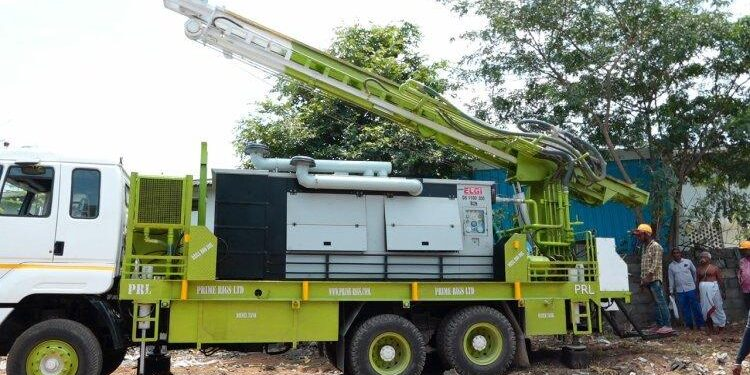
A construction project rarely slows down because of one obvious problem. Sometimes, the trouble begins beneath the surface, with a bore that takes too long, reaches the wrong depth, or simply does not suit the ground conditions. What looks like a straightforward drilling task can quietly influence the schedule, costs, and work of several teams that follow. That makes drilling equipment in construction far more important than it may initially appear.
The right machine can help crews work efficiently through different soil and rock conditions while maintaining the accuracy that foundations and other structural work demand. But selecting equipment is not simply about horsepower or size. Ground conditions, drilling depth, project requirements, machine reliability, and operating efficiency all matter. Understanding these factors can help contractors avoid unnecessary delays and keep construction moving from the ground up.
Why Drilling Sets the Tempo for Everything Else
Construction schedules are built around dependencies. A crew can’t lay rebar until the hole is bored, and the concrete truck can’t arrive until the reinforcement is set. When drilling stalls because of a stuck bit, a miscalculated depth, or equipment that simply isn’t matched to the soil type, the delay doesn’t stay contained. It pushes back every task scheduled after it, and on large projects, a two-day drilling delay can quietly become a two-week schedule slip once subcontractor calendars get reshuffled.
This is why experienced site managers treat drilling not as a preliminary chore but as the anchor point of their timeline. The machines chosen for the job, and how well they’re maintained, often predict the health of the entire schedule more reliably than the weather forecast does.
Matching the Machine to the Ground
The right drilling machine should be selected according to the ground it needs to penetrate. Understanding soil strength, rock formation, drilling depth, and bore requirements helps contractors choose equipment that delivers better accuracy, productivity, and durability while reducing unnecessary downtime and wear.
- Assess ground conditions: Soil and rock vary from site to site, so equipment must match the specific terrain.
- Use rotary rigs: These are suitable for varied soil conditions and are commonly used for deep foundation work.
- Choose auger drills for loose ground: They work efficiently in softer soils and are useful for utility installation and smaller foundations.
- Use hammer or percussion drills for rock: These machines are better equipped to handle hard rock layers that can slow conventional drilling.
- Avoid equipment mismatch: Using unsuitable machinery can increase wear, reduce drilling accuracy, slow progress, and create unnecessary project delays.
Precision Is Not Optional
Speed without accuracy creates its own problems. A borehole that’s slightly off-center or a few degrees out of vertical alignment can compromise a foundation’s load-bearing capacity, and correcting that after the fact is far more expensive than doing it right the first time. Modern rigs increasingly come equipped with guidance systems, depth sensors, and automated alignment features that reduce the margin for human error.
This shift toward precision-assisted drilling has changed what “skilled operator” means on a job site. It’s no longer just about physical control of the machine; it’s about reading the digital feedback the rig provides and adjusting in real time. Crews that invest in this training tend to finish bores faster and with fewer callbacks for correction.
Maintenance: The Overlooked Speed Factor
A rig sitting idle because of a worn hydraulic line or a dull bit costs more than the repair itself. It costs the hours the crew spends waiting, the rescheduling of dependent trades, and sometimes the rental fees on equipment that isn’t being used productively. Preventive maintenance schedules, though rarely glamorous, are one of the quieter reasons some contractors consistently hit their deadlines while others don’t.
Site managers who track equipment hours and service intervals the way they track budgets tend to avoid the mid-project breakdowns that derail otherwise well-planned timelines. It’s a discipline that pays for itself long before it becomes visible in the final structure.
Selecting Equipment For The Long Run
Selecting drilling equipment should involve more than comparing purchase or rental prices. Contractors benefit from assessing durability, maintenance needs, operating efficiency, and expected workload. Reliable equipment can reduce downtime, control long-term costs, and keep construction schedules moving consistently.
- Look beyond the upfront price: When deciding whether to rent or own drilling equipment, contractors should consider the total cost of each bore rather than focusing only on the initial investment.
- Prioritize dependable performance: Equipment built for demanding field conditions can maintain consistent performance across different projects and working environments.
- Consider maintenance requirements: Reliable machinery generally means fewer unexpected breakdowns, emergency repairs, and costly interruptions during drilling operations.
- Think about project timelines: Equipment downtime can quickly affect schedules. Dependable machines help contractors maintain a more predictable workflow.
- Evaluate manufacturer expertise: Choosing equipment from experienced drilling equipment manufacturers in India can provide access to machinery designed with practical construction requirements in mind.
- Measure long-term productivity: Equipment that crews can operate confidently and consistently can support faster work, smoother operations, and better utilization across the life of a project or fleet.
Conclusion
Drilling might happen early in a project’s timeline, but its influence lasts until the final walkthrough. The choice of machine, how well it’s matched to the ground, and how consistently it’s maintained all shape whether a site moves with confidence or stumbles through avoidable delays. For contractors sourcing equipment domestically, working with established drilling equipment manufacturers in India has become an increasingly practical route, offering rigs built for varied soil and rock conditions, backed by service support that keeps projects moving rather than waiting. Prime Rigs designs and manufactures drilling equipment engineered for the demands of real construction sites, helping contractors keep their projects on schedule without compromising on precision.