
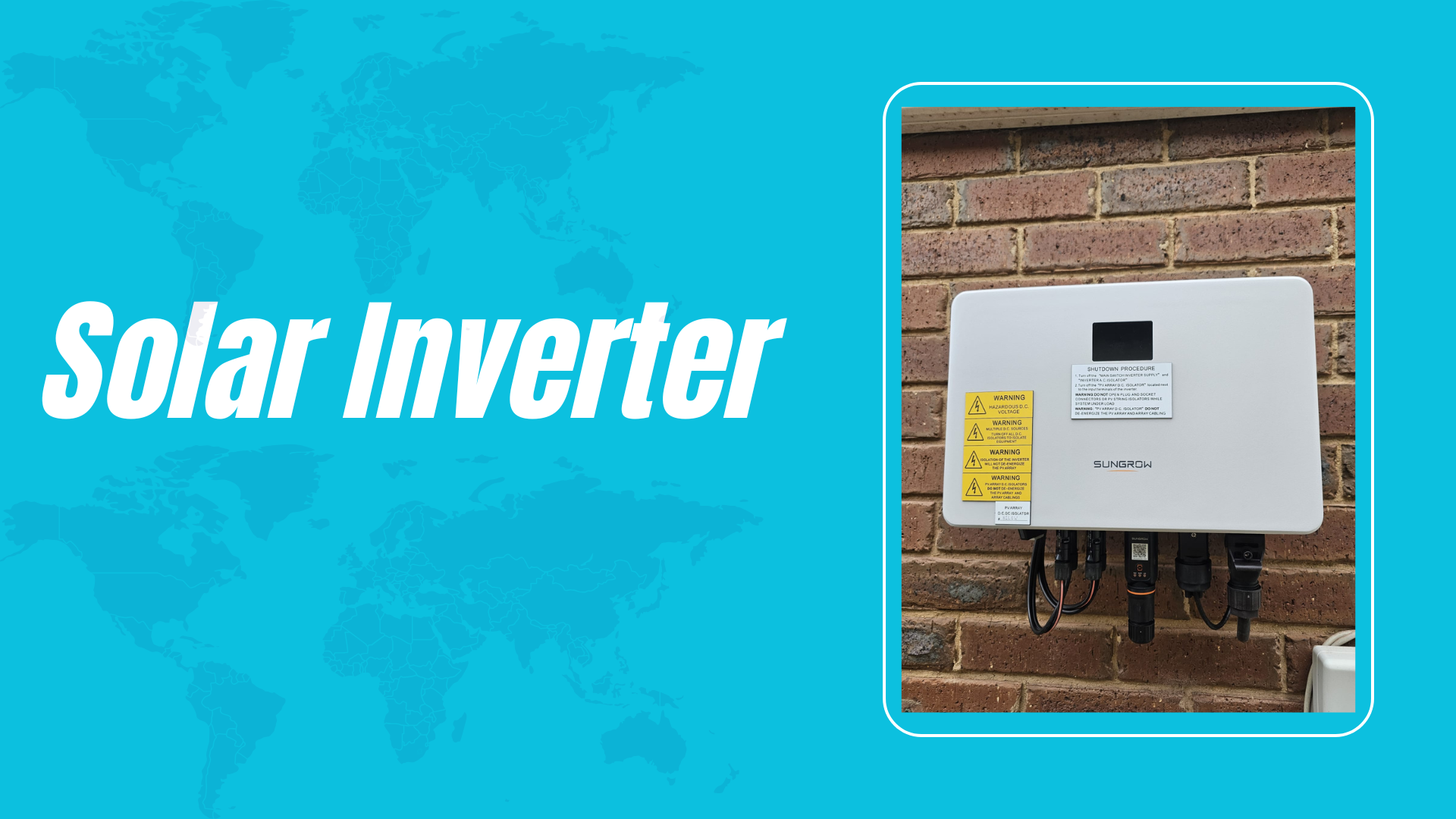
As more Australian homeowners and businesses switch to solar energy, one component plays a crucial role in making the entire system work efficiently — the solar inverter. While solar panels often get most of the attention, it is the inverter that actually makes solar power usable in your home or workplace.
In this detailed guide, we’ll explain what a solar inverter is, how it works, its types, benefits, lifespan, and why choosing the right inverter is essential for long-term savings. At Electrical Masters, we help you select and install the best solar inverter to maximise performance, reliability, and return on investment.
What Is a Solar Inverter?
A solar inverter is an electrical device that converts direct current (DC) electricity generated by solar panels into alternating current (AC) electricity. AC power is what your household appliances, lighting, and commercial equipment use every day.
Without a solar inverter, the electricity produced by your solar panels would not be usable. That’s why the inverter is often called the brain or heart of a solar power system.
How Does a Solar Inverter Work?
The process is simple but powerful:
- Solar panels absorb sunlight and generate DC electricity
- DC power flows to the solar inverter
- The inverter converts DC into AC power
- AC power is supplied to your home or business
- Excess electricity is sent to the grid (if grid-connected)
Modern solar inverters also monitor system performance, detect faults, and optimise energy output in real time.
Types of Solar Inverters
Choosing the right type of solar inverter depends on your energy needs, roof design, shading conditions, and budget. Below are the most common types used in Australia.
1. String Inverters
String inverters are the most widely used and cost-effective option.
Best for: Homes with simple roof layouts and minimal shading
Advantages:
- Affordable
- Easy to maintain
- Reliable technology
Limitation: If one panel underperforms due to shade or dirt, it can affect the entire system.
2. Microinverters
Microinverters are installed on each individual solar panel.
Best for: Roofs with shading issues or multiple orientations
Advantages:
- Maximum panel-level efficiency
- Better monitoring
- Longer lifespan
Limitation: Higher upfront cost compared to string inverters.
3. Hybrid Inverters
Hybrid solar inverters allow you to connect solar panels and batteries to one system.
Best for: Homes planning to add solar batteries now or in the future
Advantages:
- Battery-ready
- Energy independence
- Smart energy management
At Electrical Masters, hybrid inverters are a popular choice for customers aiming to future-proof their solar investment.
4. Battery Inverters
Battery inverters are used specifically with solar battery systems to manage stored energy.
Best for: Off-grid or backup power systems
Advantages:
- Power during blackouts
- Greater self-consumption
Why a High-Quality Solar Inverter Matters
A solar inverter directly affects how much usable electricity your system produces. Choosing a low-quality inverter can lead to:
- Reduced efficiency
- System downtime
- Higher maintenance costs
- Shorter system lifespan
A high-quality inverter ensures:
- Maximum energy conversion
- System safety
- Long-term reliability
- Better financial returns
Electrical Masters only installs trusted inverter brands that meet Australian standards and deliver proven performance.
Solar Inverter Efficiency Explained
Solar inverter efficiency refers to how effectively it converts DC electricity into AC electricity. Most modern inverters operate at 95%–98% efficiency, meaning very little energy is lost during conversion.
Even a small difference in efficiency can result in significant savings over 20–25 years, which is why professional inverter selection is essential.
Lifespan of a Solar Inverter
On average:
- String inverters: 8–12 years
- Microinverters: 20–25 years
- Hybrid inverters: 10–15 years
Solar panels often last longer than inverters, so inverter replacement during the system’s lifetime is common. Electrical Masters helps customers choose inverters with strong warranties and local support.
Solar Inverter Monitoring and Smart Features
Modern solar inverters come with advanced monitoring tools that allow you to track:
- Daily energy production
- System efficiency
- Fault alerts
- Energy consumption patterns
Many systems can be monitored via smartphone apps, helping you stay in control of your energy usage and savings.
Solar Inverter Safety Features
Safety is critical in any electrical system. A high-quality solar inverter includes:
- Anti-islanding protection
- Over-voltage protection
- Ground fault detection
- Grid compliance with Australian standards
Electrical Masters ensures every inverter installation meets SAA guidelines and electrical safety regulations.
Solar Inverter Cost in Australia
The cost of a solar inverter depends on the type and system size:
- String inverter: $1,000 – $2,500
- Hybrid inverter: $2,000 – $4,500
- Microinverters: $3,000 – $5,000+
While upfront cost matters, long-term performance, warranty, and efficiency should always be prioritised.
How Electrical Masters Helps You Choose the Right Solar Inverter
At Electrical Masters, we take a tailored approach to solar solutions. Our accredited solar experts assess:
- Roof layout
- Shading conditions
- Energy usage
- Future battery plans
We recommend the most suitable solar inverter to maximise savings, performance, and reliability — not just the cheapest option.
Benefits of Installing a Solar Inverter with Electrical Masters
- SAA-accredited installers
- Premium inverter brands
- Transparent pricing
- Expert advice and support
- Long-term warranties
- Australia-wide compliance
Our goal is to deliver solar systems that perform efficiently for decades.
FAQs About Solar Inverters
Q1: Can my solar system work without an inverter?
No. A solar inverter is essential to convert solar energy into usable electricity.
Q2: How do I know if my solar inverter is working properly?
Most inverters have indicator lights or mobile apps that show system performance.
Q3: Can I upgrade my inverter later?
Yes, especially if you plan to add batteries or expand your system.
Q4: What happens if my solar inverter fails?
Your system will stop producing usable power until the inverter is repaired or replaced.
Q5: Does Electrical Masters provide inverter warranties?
Yes. We install inverters backed by strong manufacturer warranties and local support.
Final Thoughts
A solar inverter is one of the most important components of your solar power system. The right inverter ensures efficient energy conversion, system safety, and long-term savings. Investing in a high-quality inverter from a trusted installer makes a significant difference in performance and reliability.
If you’re planning to install or upgrade a solar system, Electrical Masters is here to help. Our experienced team provides expert guidance, premium products, and professional installation to ensure your solar inverter delivers maximum value for years to come.