
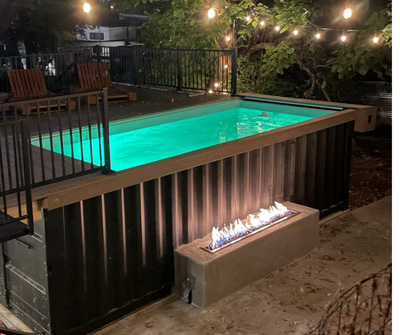
The idea of transforming a steel cargo container into a backyard swimming pool may sound unconventional at first. After all, cargo containers are typically associated with ports, freight yards, and long-distance shipping—not relaxation or outdoor leisure. Yet over the past several years, cargo container pools have steadily moved from experimental projects into mainstream conversations about modern backyard design.
What makes this transformation so compelling is not just novelty, but versatility. Cargo container pools represent a shift in how homeowners think about space, construction, and design flexibility. They challenge traditional assumptions about what a swimming pool must look like and how it must be built. By repurposing an industrial structure into a functional and visually appealing pool, these systems demonstrate how adaptability and creativity can redefine outdoor living.
This article explores how cargo containers evolve into swimming pools, why they are so versatile, and what homeowners should understand about their growing role in modern residential landscapes.
The Origins of Cargo Container Pools
Cargo containers were designed with durability as their primary purpose. Built from heavy-duty steel, they are engineered to withstand immense loads, harsh weather, and long journeys across land and sea. This structural strength is precisely what makes them suitable for repurposing into swimming pools.
The concept of using containers for non-shipping purposes gained momentum as part of the broader container architecture movement. Containers were being converted into homes, offices, cafés, and studios long before pools entered the picture. As designers and engineers became more comfortable modifying container structures, the idea of turning them into water-holding vessels emerged naturally.
Cargo container pools are the result of this evolution. By reinforcing the container walls, applying advanced waterproofing systems, and integrating plumbing and filtration, a utilitarian shipping unit becomes a refined recreational feature. The transformation from cargo to cool reflects a broader shift toward modular, adaptable design solutions.
Why Versatility Is the Defining Feature of Container Pools
The most notable characteristic of cargo container pools is their adaptability. Unlike traditional pools that are shaped and constructed entirely on-site, container pools begin as standardized modules. This consistency allows them to be modified in multiple ways without reinventing the entire construction process.
Versatility appears first in placement. Cargo container pools can be installed above ground, partially embedded, or fully inground. This flexibility allows them to work in properties with limited space, sloped terrain, or challenging soil conditions. Homeowners who once believed a pool was impossible on their property often discover that a container pool fits where traditional options cannot.
Versatility also appears in design integration. Because container pools have a clean, rectangular form, they blend easily with modern landscaping, decks, patios, and architectural features. They can serve as standalone focal points or be seamlessly incorporated into larger outdoor living environments.
Adapting to Different Property Sizes and Layouts
One of the strongest advantages of cargo container pools is how well they adapt to properties of varying sizes. Traditional pools often require large footprints, which limits their suitability for smaller yards or urban lots. Container pools, by contrast, occupy a predictable and compact area.
This makes them especially appealing in densely populated neighborhoods, narrow lots, and properties with strict setback requirements. Their linear shape allows for creative placement along fences, beside decks, or parallel to structures without overwhelming the space.
For larger properties, container pools offer a different kind of versatility. They can be combined with expansive decks, outdoor kitchens, or lounging areas to create resort-style environments. In these settings, the pool becomes a design element rather than simply a functional feature.
Structural Strength as a Design Advantage
Cargo containers are not just versatile in appearance; their structural integrity contributes directly to their flexibility. Because they are built to carry heavy loads, they provide a rigid shell that can handle water pressure when properly modified.
This strength allows designers to incorporate features that might be more complex or costly in traditional pools. Viewing windows, cantilevered edges, and elevated installations become more feasible because the container’s steel frame offers consistent support.
The container’s rigidity also reduces reliance on complex forming and curing processes typically required for concrete pools. This simplification opens the door to installations in environments where traditional construction would be impractical or risky.
Installation Flexibility and Reduced Disruption
Another dimension of versatility lies in the installation process itself. Cargo container pools are largely built off-site, which reduces on-site construction time and disruption. For homeowners, this means less noise, fewer delays, and a clearer understanding of the installation timeline.
Because the pool shell arrives ready for placement, installation focuses on preparation and connection rather than full-scale construction. This approach allows container pools to be installed in areas where long construction projects would be disruptive or restricted.
The ability to crane a pool into place also expands installation possibilities. Properties with limited access, elevated yards, or tight spaces can still accommodate a pool with proper planning.
Design Versatility and Aesthetic Adaptability
At first glance, a cargo container pool may appear industrial. However, one of its strengths is how easily it can be visually transformed. Exterior finishes, decking, landscaping, and lighting all play roles in reshaping the container’s appearance.
When paired with wood cladding, stone surrounds, or minimalist concrete patios, the container’s industrial roots fade into the background. The pool becomes a sleek, contemporary feature that complements a wide range of design styles.
Interior customization further enhances versatility. Steps, benches, lighting, and finishes can be adapted to suit personal preferences. The result is a pool that feels tailored rather than standardized, despite its modular origins.
Versatility in Use and Lifestyle Fit
Cargo container pools also adapt well to different lifestyles. Some homeowners use them primarily for cooling off during warm months, while others integrate them into daily routines for exercise, relaxation, or family time.
Their size makes them ideal for plunge pools, lap swimming, or hydrotherapy-style use. In compact yards, they provide functionality without consuming excessive space. In larger properties, they serve as stylish complements to outdoor entertainment areas.
This flexibility in use allows container pools to meet diverse needs without requiring large-scale customization or expansion.
Environmental and Practical Considerations
The reuse of cargo containers aligns with growing interest in sustainable building practices. Repurposing an existing structure reduces demand for newly manufactured materials and supports resource efficiency.
Additionally, container pools often require less water than large traditional pools, which appeals to homeowners concerned about conservation. Smaller volumes mean quicker heating, easier maintenance, and potentially lower long-term operating costs.
These practical advantages add another layer to the versatility of container pools, making them appealing not only for design reasons but also for environmental and efficiency considerations.
Challenges That Come With Versatility
While cargo container pools are adaptable, their versatility does not eliminate the need for careful planning. Structural modifications must be engineered correctly, and waterproofing must be thorough to prevent corrosion or leaks.
Local regulations, safety requirements, and installation constraints still apply. Homeowners must ensure that fencing, electrical bonding, and drainage systems meet code requirements. Versatility offers options, but it also requires informed decision-making.
Understanding these limitations helps homeowners appreciate container pools as thoughtful solutions rather than simple shortcuts.
Conclusion
Cargo container pools exemplify how innovative thinking can transform industrial materials into functional and visually appealing residential features. Their versatility lies in their adaptability—to different properties, design styles, installation methods, and lifestyles.
By reimagining cargo containers as swimming pools, homeowners gain access to a solution that balances strength, efficiency, and modern aesthetics. From compact urban yards to expansive suburban landscapes, container pools continue to prove that practical design and creative reuse can coexist.
As outdoor living evolves, cargo container pools stand as a clear example of how unconventional ideas can become practical, stylish, and enduring backyard solutions.