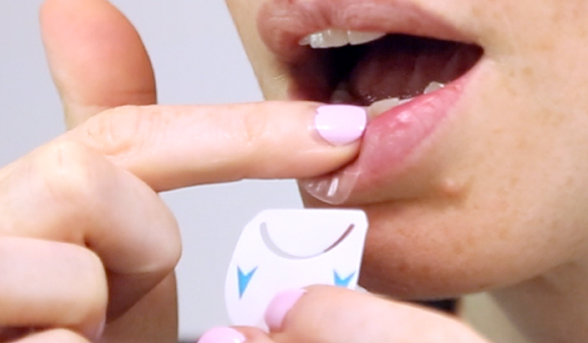
Cold sores are a common problem affecting millions of people worldwide. They are caused by the herpes simplex virus (HSV-1), often appearing as painful blisters around the lips and mouth. If you’re dealing with these outbreaks, choosing the right treatment is essential for quick relief and effective healing. In recent years, cold sore patches have become increasingly popular, often competing with traditional creams. This article will break down the differences between cold sore patches and creams to help you make an informed decision.
What Are Cold Sore Patches?
Cold sore patches are thin, medicated coverings that adhere directly to the affected area. Unlike creams that are spread over the skin, these patches create a protective barrier over the blister. The patch serves multiple purposes: it shields the sore from external irritants, promotes faster healing, and often reduces discomfort.
Most cold sore patches are made from hydrocolloid materials that can absorb fluid from the sore while maintaining a moist environment. This moisture retention accelerates the healing process, making patches an appealing option for those seeking convenience and effectiveness. Additionally, many patches are transparent, making them discreet for daytime use.
How Cold Sore Creams Work
Cold sore creams, often referred to as antiviral creams, are typically applied directly to the sore several times a day. These creams usually contain ingredients like docosanol or acyclovir, which inhibit viral replication and reduce the severity and duration of outbreaks.
While creams are effective in controlling the virus, they do have some limitations. Frequent application is required, and improper use can lead to irritation or less effective results. Unlike cold sore patches, creams don’t provide a physical barrier to protect the sore from infection or external factors.
Comparing Healing Time: Patches vs Creams
One of the key differences between cold sore patches and creams is the healing time. Clinical studies and user experiences indicate that patches often speed up recovery by maintaining a consistent healing environment. The protective layer prevents scabbing, reduces friction, and allows the skin to repair itself more efficiently.
In contrast, creams rely solely on chemical action to combat the virus. While antiviral creams can shorten outbreak duration, the healing process may take longer if the sore is exposed to external irritants like wind, sunlight, or accidental touch.
Pain Relief and Comfort
Pain and discomfort are among the main concerns for anyone with a cold sore. Cold sore patches provide immediate relief by forming a cushioning barrier over the blister, reducing irritation from talking, eating, or smiling. Some patches even contain soothing ingredients that numb the area temporarily.
Creams, while antiviral, do not offer the same level of comfort. They may reduce pain indirectly by shortening the duration of the outbreak, but they lack the protective and cushioning effect that patches provide. For those seeking both healing and comfort, cold sore patches often have the upper hand.
Ease of Use and Convenience
When it comes to convenience, cold sore patches are designed for easy, mess-free application. You simply apply the patch to the sore and leave it for several hours or overnight. This makes them ideal for busy individuals who don’t want the hassle of reapplying creams multiple times a day.
Creams require more frequent attention, which can be inconvenient during work or social activities. Moreover, because creams can smear or rub off, they sometimes need to be reapplied after eating or drinking. This makes patches a more user-friendly option for on-the-go relief.
Effectiveness for Different Stages of Cold Sores
Cold sore patches are particularly effective during the early stages of an outbreak, when the blister is forming. Applying a patch at the first sign of tingling or redness can help reduce the severity of the sore and accelerate healing.
Creams, on the other hand, are generally more effective once the blister has already appeared. They work to suppress viral replication but do not offer the same protective benefits as patches. For comprehensive care, some people choose to combine both treatments: applying a patch for protection and a cream for antiviral action.
When to Consult a Dentist or Specialist
Persistent or severe cold sores may require professional evaluation. Visiting a dental or medical professional ensures proper treatment and prevention strategies. For instance, at Broadway Family Dentistry & Implants, experts can provide guidance on managing frequent outbreaks and recommend suitable antiviral treatments.
Consulting a specialist is especially important if you experience unusually large, painful, or recurring sores, or if over-the-counter solutions like cold sore patches and creams are not effective.
Choosing the Right Treatment for You
Selecting between cold sore patches and creams ultimately depends on your lifestyle, comfort needs, and how your body responds to treatment. Patches are ideal for those seeking convenience, protection, and faster healing, while creams are better suited for antiviral control and reducing viral activity.
For many, combining both approaches yields the best results: using a cold sore patch to shield and soothe the blister while applying a cream at intervals to combat the virus directly. Regardless of your choice, early intervention is key. Treating cold sores at the first sign can significantly reduce duration and discomfort.
Conclusion
Both cold sore patches and creams offer effective treatment options, but they serve slightly different purposes. Patches provide comfort, protection, and faster healing, while creams focus on antiviral action to suppress the virus. By understanding these differences, you can choose the treatment that best fits your needs and lifestyle.
For frequent or severe outbreaks, seeking professional advice from specialists like Broadway Family Dentistry & Implants ensures safe and effective care. Ultimately, the right combination of protection, antiviral action, and early intervention can help you manage cold sores more efficiently and minimize disruption to your daily life.