
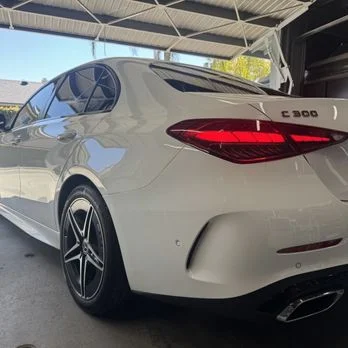
A professionally installed car wrap is one of the best ways to transform the appearance of your vehicle while protecting its original paint. Whether you choose a matte finish, gloss wrap, chrome, satin, or a fully customized design, your wrap is an investment you want to last for years. But if you live in a coastal city like Long Beach, maintaining your wrap requires extra care due to the region’s unique climate.
From intense sun exposure to salty ocean air, Long Beach offers beautiful weather but also presents specific challenges that can reduce the lifespan of vinyl wraps if not properly maintained. In this guide, you will learn expert-recommended techniques to extend your wrap’s life, prevent fading, avoid peeling, and keep your vehicle looking sharp.
Whether you already have a wrap or are considering one, this guide ensures you get the most out of your investment. If you’re searching for a trusted professional for wrapping services, explore Car Wrap Long Beach for premium results. You can also call (310) 620-1102 to get personalized help.
Why Maintenance Matters for Long Beach Vehicle Wraps
Car wraps are designed to last, usually between 3 and 7 years depending on the material and level of care. But in cities along the coast, environmental conditions can shorten this lifespan if the wrap is not properly maintained. Long Beach drivers often face:
-
Strong UV rays that can fade colors
-
High temperatures that weaken adhesives
-
Salt air that corrodes materials
-
Occasional moisture and fog
-
Dust, sand, and pollutants that scratch vinyl
Routine maintenance helps you:
-
Preserve color and vibrancy
-
Prevent cracks, fading, and peeling
-
Maintain smooth texture and gloss
-
Avoid costly replacements
-
Extend the total lifespan of the wrap
A little upkeep goes a long way, especially when living close to the Pacific Ocean.
1. Wash Your Vehicle Regularly
Dirt, pollutants, and salt buildup can damage vinyl wraps if left untreated. Washing your car routinely is the most important step in maintaining your wrap’s longevity.
How Often Should You Wash?
In Long Beach, once every 1 to 2 weeks is ideal. If you park near the beach or drive on the waterfront, wash more frequently to remove salt and sand residue.
Best Washing Methods
-
Use handwashing with gentle automotive soap
-
Choose a soft microfiber mitt
-
Rinse thoroughly before scrubbing to avoid scratching
-
Use a microfiber drying towel to avoid water spots
Avoid harsh brushes and automated car washes, as they can lift edges and scratch the vinyl.
2. Avoid Pressure Washers When Possible
High-pressure washers can force water under the wrap’s edges and weaken the adhesive, especially in warm climates like Long Beach. While it’s not prohibited, it should be done with caution.
If You Must Use a Pressure Washer
-
Keep pressure under 2000 PSI
-
Use a 40-degree wide spray nozzle
-
Maintain at least 12 inches of distance
-
Never spray directly at edges or seams
Gentle washing is always safer for long-term durability.
3. Protect Your Wrap from Long Beach UV Exposure
Long Beach is known for sunny days and high UV levels. While enjoyable for residents, sunlight can fade vinyl wraps, dull finishes, and weaken adhesives.
How to Protect Your Wrap
-
Park in shaded areas whenever possible
-
Use a garage or carport for long-term parking
-
Apply a ceramic coating formulated for vinyl
-
Use UV-safe vinyl protectants
These steps help maintain vibrant color and a clean look for years longer.
4. Keep Your Wrapped Vehicle Away from Harsh Conditions
Even though wraps can withstand different weather conditions, avoiding harsh environments whenever possible helps prolong their life.
Limit Exposure To
-
Industrial fallout
-
Bird droppings
-
Tree sap
-
Beach sand
-
Road tar
-
Hard water spots
-
Excessive heat or engine steam
When these contaminants land on your wrap, wash them immediately. The longer they sit, the more damage they cause.
5. Clean Stains Promptly
Spots, contaminants, and chemical residues can discolor vinyl wraps quickly in hot climates.
Use the following steps:
-
Remove the contaminant using warm water.
-
Use a gentle vinyl-safe cleaner.
-
Rinse and dry with microfiber towels.
Avoid using:
-
Abrasive pads
-
Solvents
-
Harsh chemicals
Specialty wrap-safe cleaners are always the best choice.
6. Never Use Wax, Polish, or Buffers on Matte Wraps
Many Long Beach drivers love matte, satin, or brushed textures. These finishes require special care.
Matte Wrap Maintenance Rules
-
Never use wax or sealants made for glossy surfaces
-
Avoid polishes and buffer machines
-
Use matte-safe protection sprays only
Gloss and chrome wraps require different cleaning and protection, so always know your material before applying products.
7. Use Vinyl-Friendly Protective Products
To extend your wrap’s lifespan in Long Beach, consider using:
-
Ceramic coating for wraps
-
Vinyl sealants
-
UV protection sprays
These products prevent premature fading and make washing much easier. Ceramic coatings, in particular, add a hydrophobic layer that repels water, dirt, and contaminants.
If you’re unsure which protection is best, reach out to (310) 620-1102 for recommendations.
8. Avoid Parking Near the Ocean for Long Periods
The ocean breeze in Long Beach carries salt particles that can accumulate on your vehicle. While short visits aren’t harmful, long-term parking by the water accelerates wrap deterioration.
Salt buildup causes:
-
Adhesive weakening
-
Color fading
-
Surface corrosion on unprotected areas
If you visit the beach often, make sure to wash your car more frequently.
9. Keep Your Vehicle in a Covered Area Overnight
Long Beach nights can bring moisture, fog, and temperature changes. While this seems harmless, moisture buildup can lead to bubbling over time, especially around wrap edges.
If you don’t have a garage:
-
Use a quality car cover made for vinyl
-
Park under shade structures
-
Avoid areas with heavy evening condensation
Taking these steps significantly prolongs the wrap’s adhesive integrity.
10. Avoid Abrasive Cleaning Tools
Many wrap owners make the mistake of using household tools to clean or maintain their vehicles. Vinyl wraps require gentle touch.
Never use:
-
Sponges with abrasive surfaces
-
Magic erasers
-
Steel wool
-
Rough towels
-
Buffers without professional supervision
These tools can create scratches, swirl marks, and permanent blemishes.
11. Inspect Your Wrap Regularly
In Long Beach, environmental factors can cause minor damage that grows over time. Inspect your wrap every 1 to 2 weeks.
Look for:
-
Lifting at edges
-
Air bubbles
-
Peeling corners
-
Discoloration
-
Rough patches
-
Tears from debris
Early detection allows for quick repairs and prevents larger issues later.
12. Be Cautious at Gas Stations
Fuel spills are extremely harmful to vinyl wraps. If gasoline touches wrapped surfaces, it can break down the material and cause discoloration.
If you spill fuel:
-
Wipe immediately with a damp microfiber towel
-
Wash the area with gentle soap when you get home
Never leave gasoline residue on a wrap.
13. Avoid Automatic Car Washes
Even the “soft-touch” systems can damage vinyl. Brushes can scratch, tear edges, and leave marks.
Only use:
-
Hand washes
-
Touchless washes with low pressure
-
Professional wrap-friendly detailing services
Keeping your wrap out of automatic washes preserves color and prevents peeling.
Also read for more information so click here.